The Ultimate Guide To Competitor Backlink Analysis: An Actionable SEO Blueprint To Steal Your Rivals’ Traffic
Oct 23, 2026

Growing on social media is not that difficult. Just post a viral reel or post and watch the engagement peak the roof.
But measuring the engagement with the right metrics is the key. That is, counting the likes, comments, and views is not enough to understand the exact content performance.
So, to accurately measure the brand awareness and audience influence, you need to delve into the reach and impressions. Pinpointing how the content engages the audience.
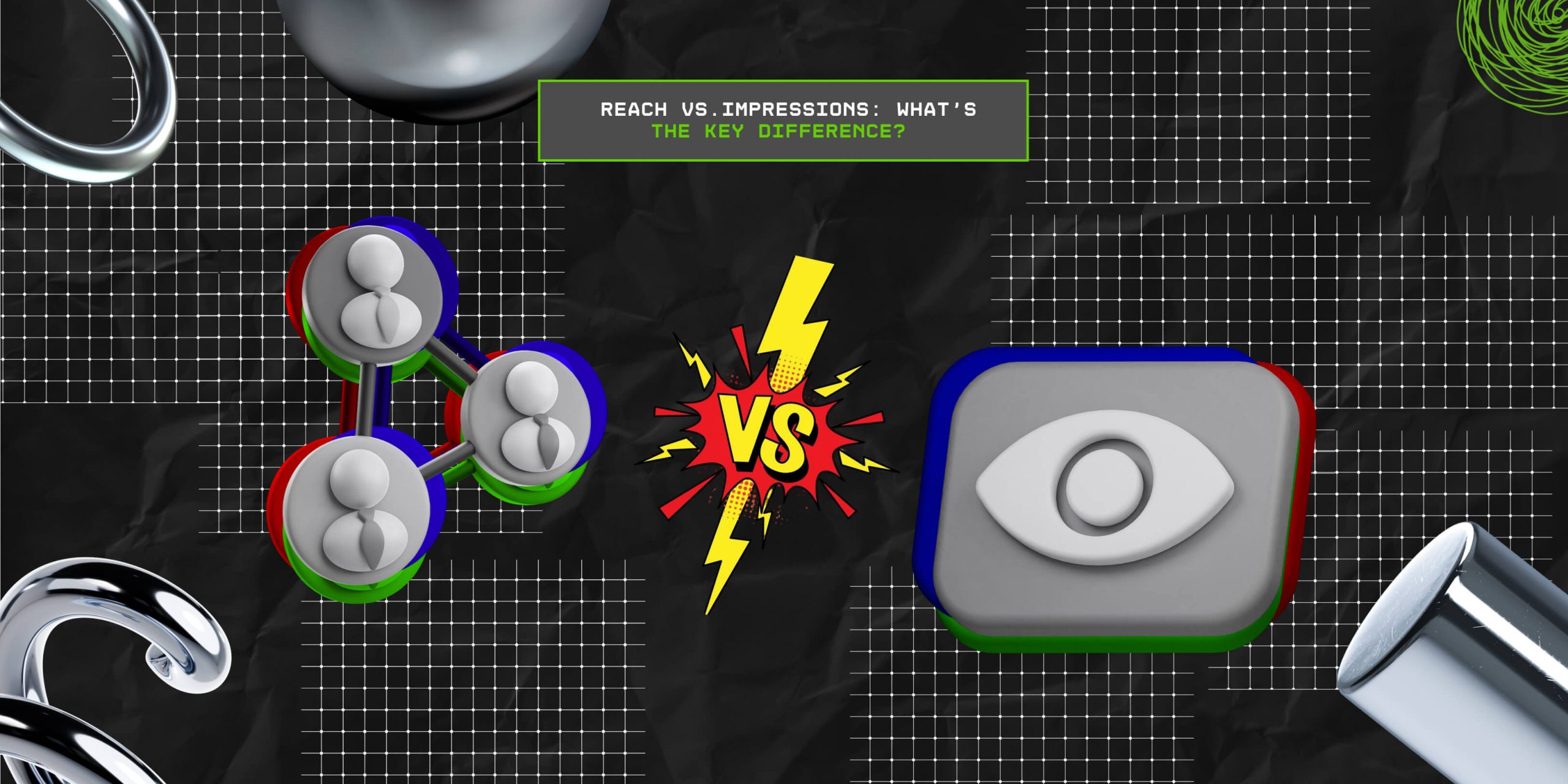
Now, most users place reach and impressions under the same umbrella term. But that’s not the right case. They are different elements indicating different aspects of social media engagement.
So, it is vital to know the key impact of reach vs impressions on social media analytics. Here, in this article, I have delved into their core differences, highlighting—
Stay tuned!
Firstly, having a clear idea about the definitions and core concepts of reach and impressions is vital to understanding their dissimilarities.
For instance, Reach refers to the total number of unique users who view your social media content. So, they indicate the discoverability rate of the content.
On the other hand, Impression refers to the total number of views of the content on social media. That is, it shows how many times the content is played or viewed.
So, it also calculates re-watches as a separate view. Making the count drastically different from the reach count.

To understand the engagement metrics of any social media platform, knowing the reach and impression count is necessary.
But both metrics have separate relevance in different platforms. So, here is their breakdown—
Firstly, on any Meta app, Reach refers to the unique users who come across your content.
That is, it is the total number of users who view your content for the first time. So, it calculates both followers and non-followers.
But Impression is different. Unlike Reach, it counts the total number of views of the content. So, even when a single user views the content multiple times, the impression count rises.
That’s why the impression count is always higher than the reach on Instagram or Facebook.
Among the social media platforms, LinkedIn nudges towards the professional side. That is, it creates the space for members to share their professional stories and outreach content.
So, there is no native Reach metric available on the platform. That is, it only provides the Impression metrics to check how many times a post or content has been viewed on the platform.
So, users can take the help of third-party tools to count the impressions on LinkedIn.
Similar to the Meta apps, TikTok provides both the Reach and Impressions data on the native platform.
That is, creators can check the total number of accounts the content reached. This helps in measuring the discoverability.
Moreover, it provides the Impressions data through the total Video Views feature. So, the creators can check the total number of times their video is played.
And, similar to Instagram’s Impression, the Video Views are always more than the Reach count for videos on TikTok.
Since Twitter is a tweeting platform, it does not provide the Reach metric. Rather, users can find the Impressions count through its built-in analytics board.
That is, it shows the total number of times the tweet or post appeared on the timelines or even in search results. So, it is easier to measure the interactivity of the posts.
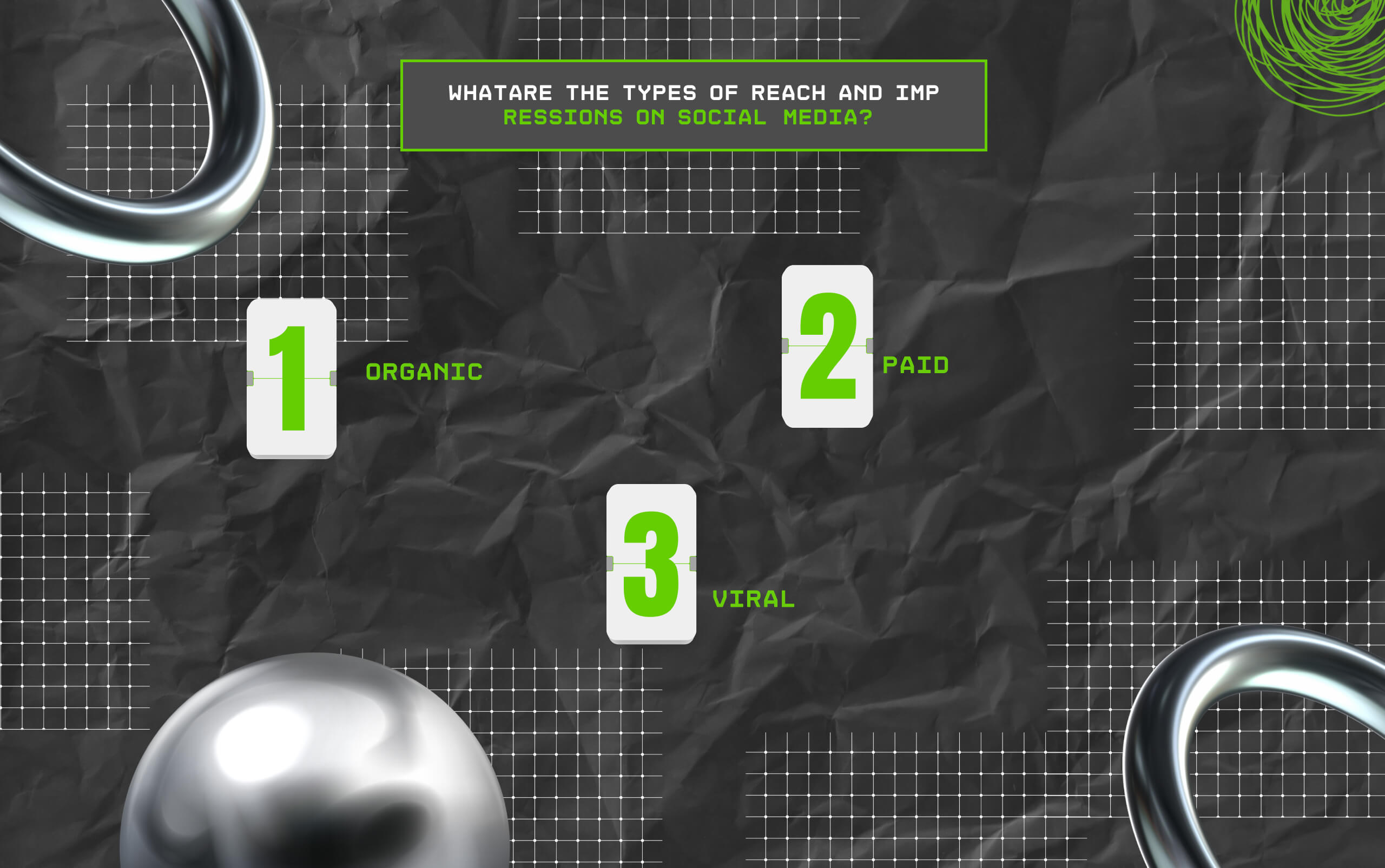
As the major metrics in measuring the engagement on any social media platform, Reach and Impressions are broadly divided into three types—
In simple words, organic refers to original. That is, organic reach and impressions refer to the total number of accounts and views of the content for free.
Usually, the organic type of reach and impressions shows the real engagement of the content on the social media platforms. So, creators can check the original content performance.
Unlike the organic type, paid reach and impressions refer to the total number of users and views for your paid content on social media platforms.
That is, it shows the interactivity of the social media ads. So, the brands can check how the paid content is displayed or performed on the social platforms.
Viral type of reach and impressions usually help measure the virality of the content on the platform.
That is, it shows the total number of users who viewed your content, which is posted or mentioned in someone else’s story.
Moreover, the viral reach or impressions show the interaction of users due to the sharing of the video on someone else’s post. Providing the engagement counts.
Although Reach and Impressions do not directly contribute to the social media analytics, they indirectly impact the key metrics of interactivity and engagement.
For instance, the ratio of reach to impressions on social media posts, videos, and reels gives a clear picture of the discoverability.
That is, when the ratio is high, it indicates that the same users are viewing the content multiple times. So, this can potentially lead to ad fatigue. Losing viewers over time.
Additionally, these metrics help in gauging the campaign’s effectiveness. That is, if the impressions are significantly more than the reach, then the campaign needs to target a wider audience.
Moreover, the proper measurement of these metrics helps creators and brands to adjust the content strategy. So, the content can cultivate high Reach and high Impressions successfully.
Even though Reach and Impressions indicate different social media engagement metrics, they are often confused as the same thing. And, this leads to common misinterpretations—
So, confusing one with the other can impact the overall social media metrics analytics. Resulting in miscalculated engagement metrics and misanalyzed campaign performances.
There are generally two ways to track the Reach and Impressions of any social media content— using the native analytics or third-party tools.
So, creators and businesses can primarily use the native Instagram or TikTok features to track the Reach and Impressions count.
Now, the steps to track them include—
Now, social media is an ever-evolving place. And, sticking to a single strategy with indirect metrics can affect the long-term growth of the brands.
So, measure the right metrics to accurately gauge the audience engagement on the social media platforms. And, change the strategies based on these measurement insights.
Here, I have brought you some common questions around the reach and impression dilemma in the social media world.
Honestly, between reach and impressions, it is hard to point out one as better than the other. Since reach indicates the number of unique users, it is best for spreading brand awareness. But, on the other hand, impressions refer to the total views a content gets on social media. Now, it can be repeatedly viewed by the same people. So, both metrics help in identifying how the content is performing on social media platforms. Making it difficult to claim one to be better than the other.
Generally, a good reach-to-impressions ratio on social media ranges from 1:2 to 1:3. That is, the content should reach a unique audience, with each member watching the content 2 to 3 times. So, the content reaches a broader audience with high engagement. But if the impression is more, it can lead to ad fatigue, and if it is low, then it might not be spreading the brand message. So, the optimal range is 1:2 to 1:3.
No, absolutely not. Since impressions refer to the total views on the content, it cannot be lower than the reach. That is, with each unique user viewing the content, the reach increases by 1. But so do the impressions. So, reach and impressions can be either equal or less than impressions. But it can never be more than impressions practically.
Chandrima is a seasoned digital marketing professional who works with multiple brands and agencies to create compelling web content for boosting digital presence. With 3 years of experience in SEO, content marketing, and ROI-driven content, she brings effective strategies to life. Outside blogging, you can find her scrolling Instagram, obsessing over Google's algorithm changes, and keeping up with current content trends.
View all Posts

The Ultimate Guide To Competitor Backlink Ana...
Oct 23, 2026
How To Land High-Authority Editorial Backlink...
Oct 23, 2026
Why Your Website Traffic Dropped Suddenly And...
Oct 23, 2026
How Do The Physical Google Review Tools Redef...
Oct 23, 2026
How To Get Your Brand Cited In AI Search Resu...
Oct 22, 2026