

Unicode “Fonts” Aren’t Fonts, And That Distinction Costs You Real Traffic
Aug 06, 2026


I remember sitting with Tom, an independent retirement advisor. He had poured his heart into writing twenty incredibly detailed articles about mutual funds and savings bonds, expecting a massive wave of organic traffic. Instead, his dashboard showed absolute zero.
“My content is better than anything out there,” Tom said, pointing at his screen. “Why is Google ignoring my business?”
The issue wasn’t his writing quality. Tom was publishing isolated islands of information. When search engine bots crawled his website, they found a chaotic list of random financial tips with no structural relationship among them. The algorithm couldn’t figure out his primary area of authority, so it ranked his more organized competitors instead.
To fix his visibility crisis, we had to reorganize his knowledge base using Topics Clusters. Let’s look under the hood of how search engines evaluate content today, and how you can turn random pages into a high-earning traffic asset.
Search engines no longer just read individual keywords on a page. Modern search bots behave like academic researchers grading a university thesis. They look at the structural context of your entire domain.
Imagine walking into a physical library where thousands of books are thrown onto the floor in a massive, chaotic pile. Even if the library has the best books in the world, you will leave out of sheer frustration because you cannot find a specific answer.
This is exactly what a website looks like to a search crawler when you publish articles without an organized architecture.
A structured framework solves this entirely. By grouping related pages together and connecting them with clear links, you tell the machine exactly how your ideas fit together.
This organized structure allows crawlers to navigate your site smoothly, recognize your deep subject-matter authority, and confidently recommend your pages to users looking for answers.
Building a proper content architecture requires two distinct elements working in perfect harmony. Think of it like building a wheel with a central hub and surrounding spokes.
| Structural Component | Primary Function | Ideal Content Depth |
|---|---|---|
| The Core Pillar Page | Acts as the main structural hub covering a broad, high-volume subject area. | Broad overview, high-level guidance, links out to every specific sub-topic. |
| Supporting Sub-Pages | Dive deeply into highly specific, narrow questions or niche problems. | Laser-focused, highly detailed, answers a single intent completely. |
| Internal Hyperlinks | Connect the sub-pages back to the pillar and to each other. | Two-way roads that pass search engine authority smoothly across the site. |
When a bot arrives at your core pillar page, it quickly scans the overview text. It then follows your organized internal links down into your highly specific sub-pages.
This structural loop demonstrates to the algorithm that you haven’t just written a single lucky article; you have built an intentional, comprehensive encyclopedia on the subject.
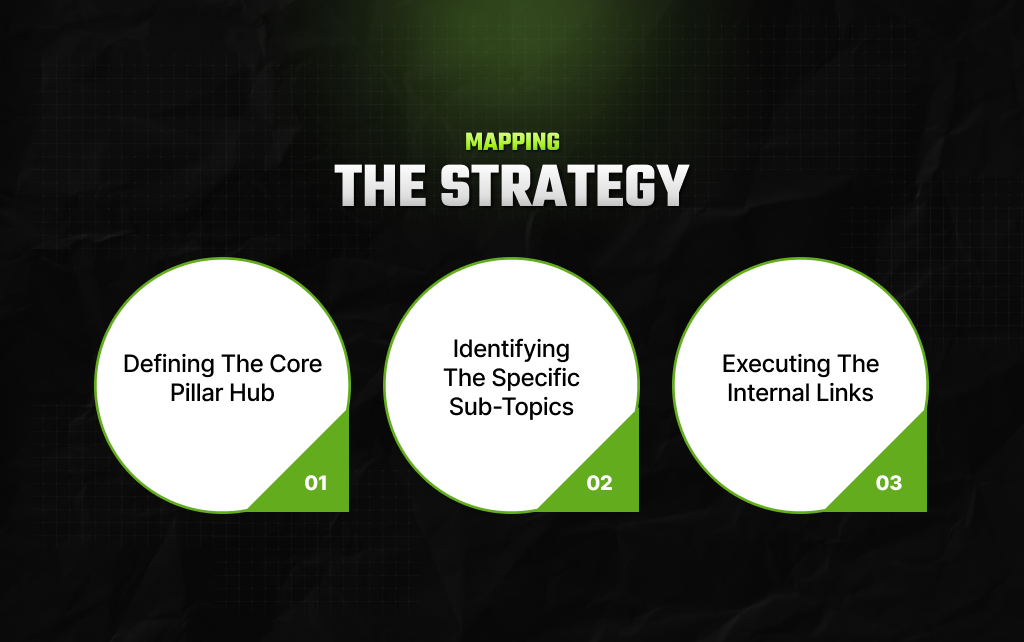
Let’s look at how we applied this exact model to Tom’s retirement website. We needed to prove his authority in a highly sensitive niche where search engines demand extreme trust signals. We chose a broad topic area that matches what real buyers look for.
Instead of letting Tom write another random post, we built a single, authoritative master resource.
We titled it: The Complete Beginner’s Guide to Retirement Investing. This page did not go into extreme detail about any single investment product. Instead, it provided a clean, high-level map of the entire retirement journey.
Once the core hub was established, we identified four highly specific, narrow questions that everyday investors frequently ask. We created dedicated supporting articles for each one:
We linked every single one of those supporting articles directly back to the master guide using clear, natural text phrases. Then, we edited the master guide to link back down to the specific articles. This created an enclosed loop of relevant information that search bots could crawl within seconds.
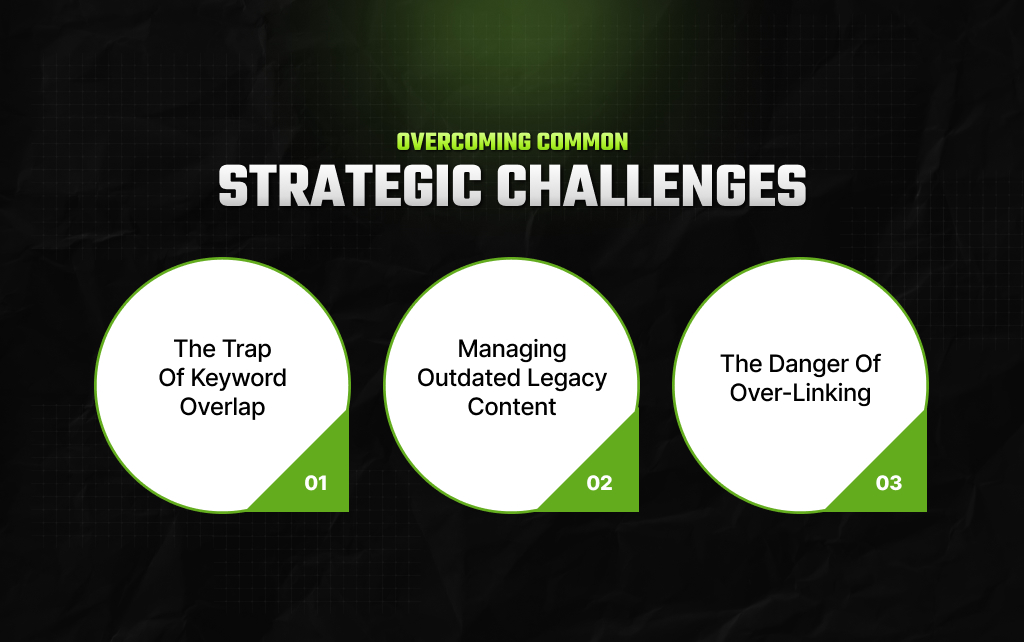
When website owners first try to implement Topics Clusters, they often run into technical and structural friction points that can stall their progress.
Let’s look at the real challenges Tom faced during his execution phase and exactly how we resolved them.
Initially, Tom wanted to create separate articles for “Best retirement investments,” “Top investments for retirement,” and “Good retirement options.” He didn’t realize that search engines view these phrases as having the exact same user intent.
Writing separate pieces for identical terms causes your own pages to battle each other in the search results. We solved this by merging those repetitive ideas into a single, high-quality asset. We made sure each sub-page had a distinct purpose.
Tom already had fifty old articles published on his blog. Many were short, outdated, or completely unlinked. Instead of deleting everything, we ran a simple audit.
We found his best-performing old articles and updated them with verified data and fresh real-world scenarios. Then, we manually inserted links to connect them to his new pillar hubs. This instantly revived his old pages and passed their existing authority back into his new structural network.
In his excitement, Tom began linking every single word in his text to different sections of his site. This created a chaotic web of links that confused both human readers and search crawlers.
Keep your link structure disciplined. Only link to pages that genuinely help the user take the logical next step in their learning journey. If a link doesn’t add immediate value to the reader, leave it out.
Because Tom was publishing advice within a sensitive financial niche, search engines evaluated his content using incredibly strict guidelines for trust and real-world safety. You must show real depth, even if you don’t possess a wall of elite institutional degrees.
| Trust Principle | Strategic Content Action | Why the Algorithm Values It |
|---|---|---|
| Anchored Public Data | Link to official government databases or historical market registries. | Proves your advice is grounded in verified, objective reality. |
| Risk Transparency | Clearly state the natural downsides and volatility of any strategy. | Shows you are protecting consumers rather than chasing quick clicks. |
| Real Human Scenarios | Describe actual friction points, mistakes, and problem-solving steps. | Distinguishes your text from generic, automated descriptions. |
We applied these principles directly to Tom’s sub-pages. For his article on mutual fund fees, we didn’t just give vague opinions. We cited specific, historical expense ratio averages from verified industry research reports.
We openly detailed the exact scenarios where these fees can eat away at a saver’s nest egg over thirty years. This radical honesty and objective mapping signaled deep authority to the search evaluation systems.
The results for Tom’s business were transformative. Within five months of restructuring his isolated blog posts into organized Topics Clusters, the machine completely changed how it evaluated his domain.
His master retirement guide captured high-visibility placements, and his phone line started ringing with high-intent local clients.
Stop treating your content strategy like a random collection of diary entries. Take the time to map out your core themes, group your knowledge into clear clusters, and build a logical internal highway of links.
By making your site effortless for search engines to evaluate, you establish a resilient digital asset that commands authority and wins the organic traffic game.
Read Also:
Barsha is a seasoned digital marketing writer with a focus on SEO, content marketing, and conversion-driven copy. With 8+ years of experience in crafting high-performing content for startups, agencies, and established brands, Barsha brings strategic insight and storytelling together to drive online growth. When not writing, Barsha spends time obsessing over conspiracy theories, the latest Google algorithm changes, and content trends.
View all Posts