The Ultimate Guide To Competitor Backlink Analysis: An Actionable SEO Blueprint To Steal Your Rivals’ Traffic
Oct 23, 2026

Traffic with a zero conversion rate on the landing page is a key indicator of an unsuccessful online presence.
Since the landing page gives the first brand impression, it should be attention-grabbing. Encouraging visitors to turn into potential customers.
But a disorganized or messy landing page does not get this job done.
So, it is vital to identify the exact issue and fix it to drive traffic, generate leads, and nurture loyal customers with a clean and engaging page.
Now, here in this blog, I will cover the diverse methods of improving landing page performance by focusing on—
Stay tuned!

To put it in simple terms, landing page optimization is a strategic process of enhancing the overall design of the page.
That is, it includes tweaking the site loading speed, design, content, and layout. So, users can have an engaging experience with the brand’s page.
Now, the landing page optimization is an integral part of the conversion rate optimization strategy.
That is, it enhances the landing page performance to increase the conversion rate. So, users can find relevant information and functional links that encourage them to convert into potential leads.
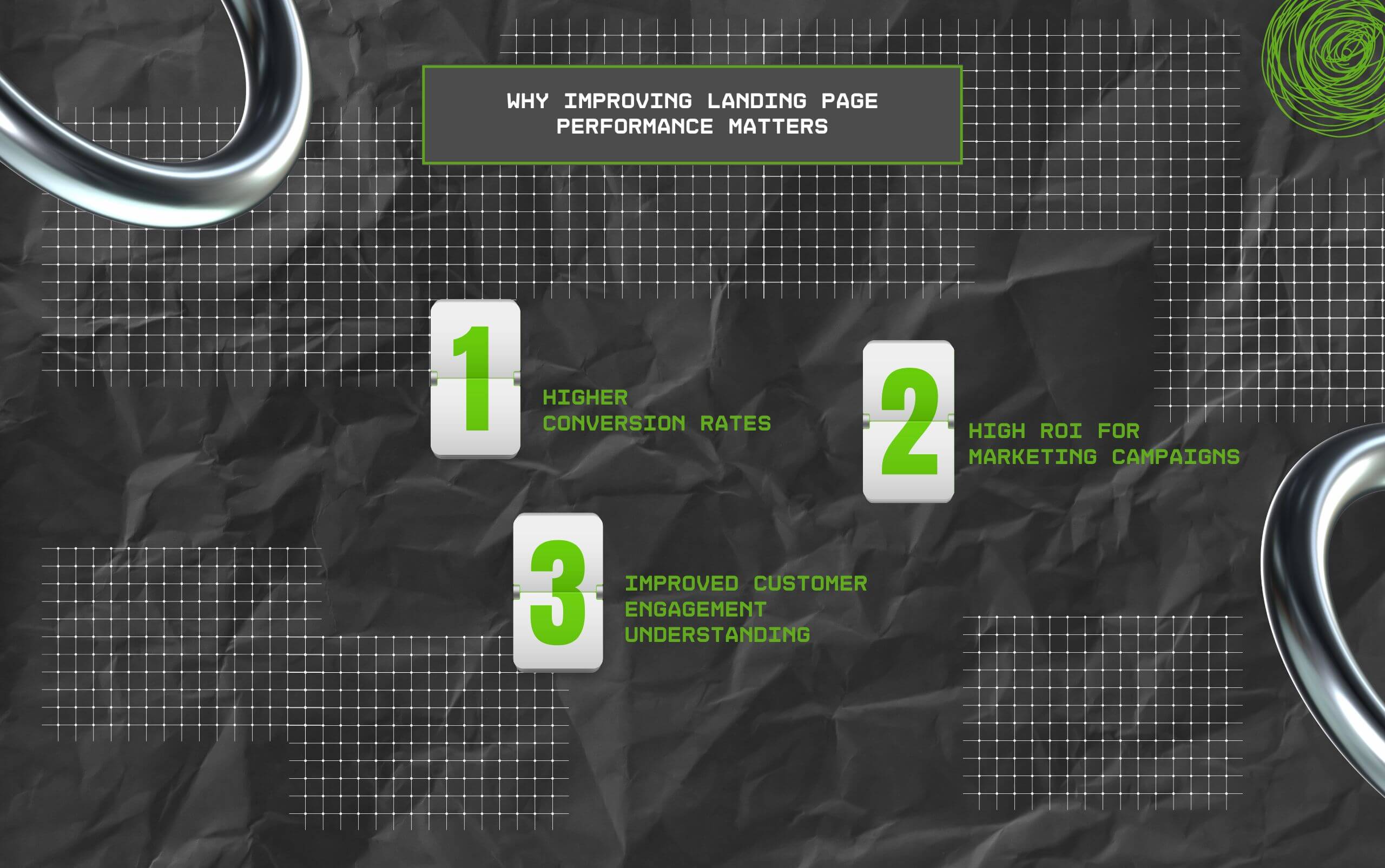
Having an optimized landing page offers many benefits to businesses online. So, improving its performance is crucial for business growth.
Some of these benefits include—
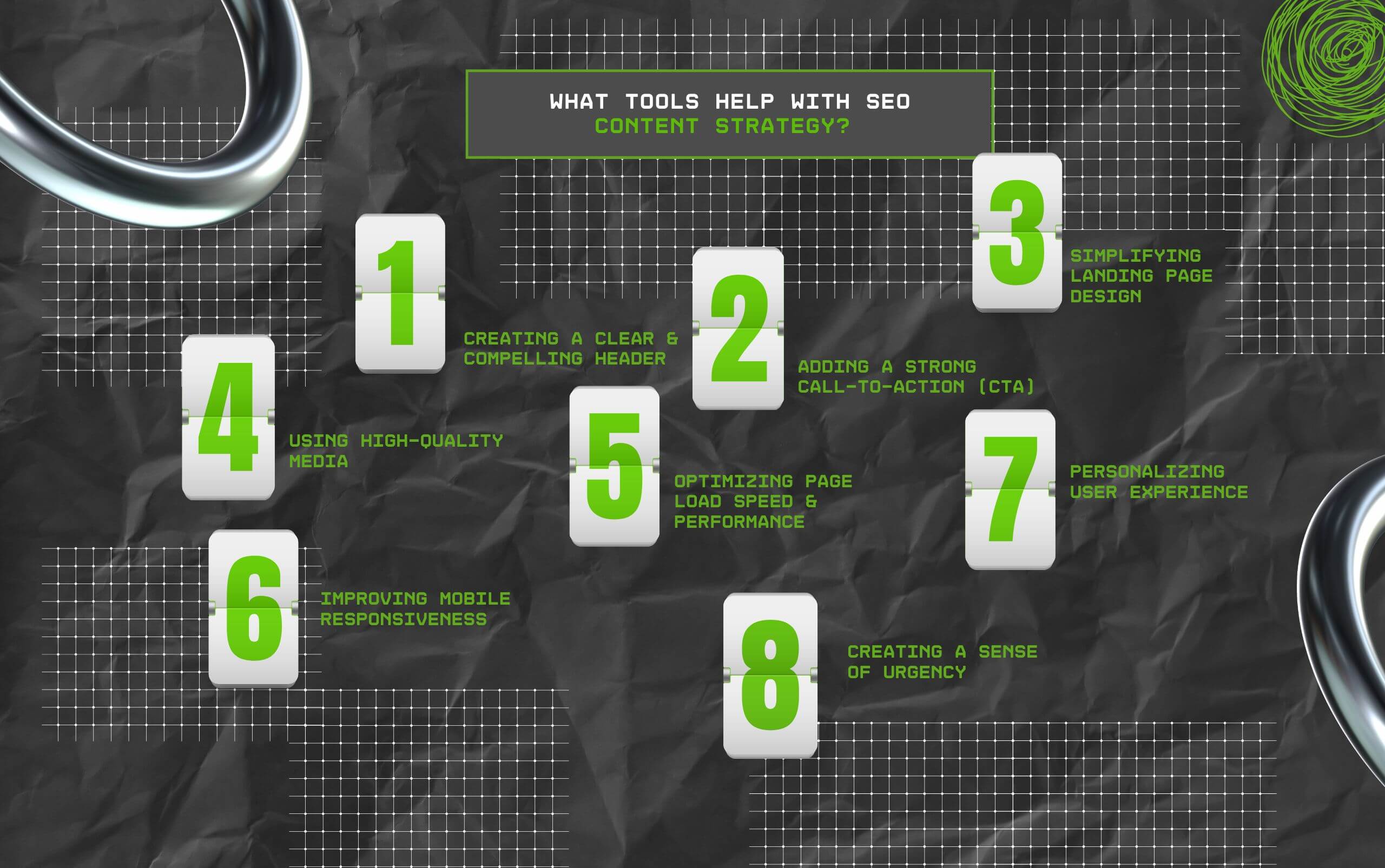
Now, here I have broken down some of the best methods to improve the overall performance of the landing page.
Given that the headlines or headers are the first element the visitor interacts with, they need to be clear, succinct, and compelling at the same time.
That is, brands can use a compelling header that clearly specifies the brand value and unique selling point to resonate with the target audience.
Since a good CTA persuades visitors to convert into potential customers, brands should avoid adding generic CTAs.
Rather, they should prepare a strong and persuasive CTA to encourage the audience to take the next step and become a potential lead.
Now, a cluttered landing page design can shoo away the visitors even before they can turn into potential customers. So, it is better to keep the page design simple and clean.
That is, brands can remove any unnecessary links from the landing page and keep the CTA buttons in the right places. So, the audience can easily navigate and click the right links.
Moreover, broken images and distorted visuals are definitely not compelling. So, brands need to focus on including high-quality media and visuals on the landing page.
Additionally, these media files should be compressed and optimized, so they load faster without affecting the user experience.
Coming to the next method, page load speed and performance. Since a fast-loading page keeps the customers engaged, the brands need to optimize the load speed.
That is, they need to compress the images, create a simple layout, and optimize the technicalities of the landing page. So, it loads within the 3-second optimal timeframe.
Given that most users check brand pages on their mobile devices, improving the page’s responsiveness with mobile screens can improve the user experience.
That is, brands can make it readable and aesthetically appealing on mobile devices to engage the audience with a responsive design. Turning them into potential leads.
In addition to this, brands can add personalized CTAs that resonate with the target audience. So, they can enjoy a good experience on the landing page.
Moreover, the personalized content, headers, and CTAs can instantly create a connection with the audience and the brands. Making it easier to convert them into buyers.
Finally, brands can create a sense of urgency with limited-time offers on their landing page. This will make the audience feel FOMO (fear of missing out) and compel them to make the purchase.
Moreover, this is a proven method to increase the conversion rates for the brands. So, they can persuade the customers with a sense of urgency.
Now, keeping these methods in mind, I have brought you the simple guide with the steps to optimize the landing page—
Well, by simply following these steps, anyone can boost their landing page performance. So, what’s stopping you from skyrocketing your conversion rates?
Take this chance to improve the performance and attract potential customers with some tweaks in the landing page.
Here, I have delved into the various common questions around the landing page performance optimization that most brands look for.
Generally, the performance of the landing page is evaluated through various metrics. That is, key metrics like conversion rates, bounce rate, dwell time, and CTR indicate its performance.
For instance, a high conversion rate, dwell time, and strong CTR highlight greater engagement on the page. So, it indicates that the page is performing at its best.
But if the bounce rate is higher than the rest of the metrics, then it highlights that the landing page needs improvement and optimization.
Given that there are countless tools available in the market, here are some of the most efficient tools for improving landing page performance—
⁃ Unbounce — Provides an all-in-one tool for building, A/B testing, and optimizing the landing page.
⁃ InstaPage — Offers a focused tool for personalized landing pages and paid ad campaigns for brands.
⁃ LeadPages — Provides an affordable tool that focuses on building and converting leads with pre-designed templates.
⁃ Google Analytics — Allows brands to track landing page performance through key metrics analysis and data-driven insights.
⁃ Google Optimize — Allows users to experiment, test, and optimize landing pages at zero cost. Also, it can be integrated into Google Analytics for data-driven results.
⁃ Optimizely — Offers a highly powerful optimization tool that allows full-fledged experimentation and A/B testing.
⁃ GTMetrix — Provides a simple tool to analyze the key metrics and improve the page load times of most landing pages.
Generally, the first step to optimizing the landing page is to conduct monthly or quarterly tests on its performance. This way, brands can identify the areas of improvement.
Then, they need to use the data-driven insights to make a proactive approach towards the key elements — headers, CTAs, page load speed, and conversion rates.
After that, they need to fix and optimize the areas to improve the overall landing page performance.
Chandrima is a seasoned digital marketing professional who works with multiple brands and agencies to create compelling web content for boosting digital presence. With 3 years of experience in SEO, content marketing, and ROI-driven content, she brings effective strategies to life. Outside blogging, you can find her scrolling Instagram, obsessing over Google's algorithm changes, and keeping up with current content trends.
View all Posts

The Ultimate Guide To Competitor Backlink Ana...
Oct 23, 2026
How To Land High-Authority Editorial Backlink...
Oct 23, 2026
Why Your Website Traffic Dropped Suddenly And...
Oct 23, 2026
How Do The Physical Google Review Tools Redef...
Oct 23, 2026
How To Get Your Brand Cited In AI Search Resu...
Oct 22, 2026