How To Get Your Brand Cited In AI Search Results In 2026
Oct 22, 2026


E-commerce has transformed business dynamics and opened possibilities for global outreach, 24/7, and unprecedented ease for sellers and buyers alike.
It is estimated that by 2025, sales in global e-commerce will cross $7 trillion, making it a critical function in today’s economy.
Firms can use a new market base and lower operational costs, giving digital tools to make efficiency work. Competition is getting keener, and online presence is no longer.
Optimization of the e-commerce platform has become necessary to keep up with competitors and grab the attention of consumers. But the question is — “How to use E-commerce optimization for sales improvement?”
Well, in this blog, I will be exploring the various aspects of this. From highlighting what e-commerce optimization is and its key strategies to how to employ them, I will cover it all.
So, keep reading to know more!
E-commerce optimization is a strategic approach to upgrading various functional areas of an online shop to generate maximum potential for performance, a good user experience, and profit generation.
Techniques applied include technical refinements, design improvements, marketing campaigns, and data analysis to:
Generate website traffic to increase conversion rates. Improve customer retention and enhance the shopping experience.
Optimization is a constantly evolving process that changes with time, consumers’ needs, and changes in market dynamics.
E-commerce site optimization is of multiple closely linked goals, for example:

A fast site that performs well is essential for retaining customers and ranking. It is said 53% of mobile users leave a site if it takes over three seconds to load. This directly affects user satisfaction, bounce rates, and conversion rates.
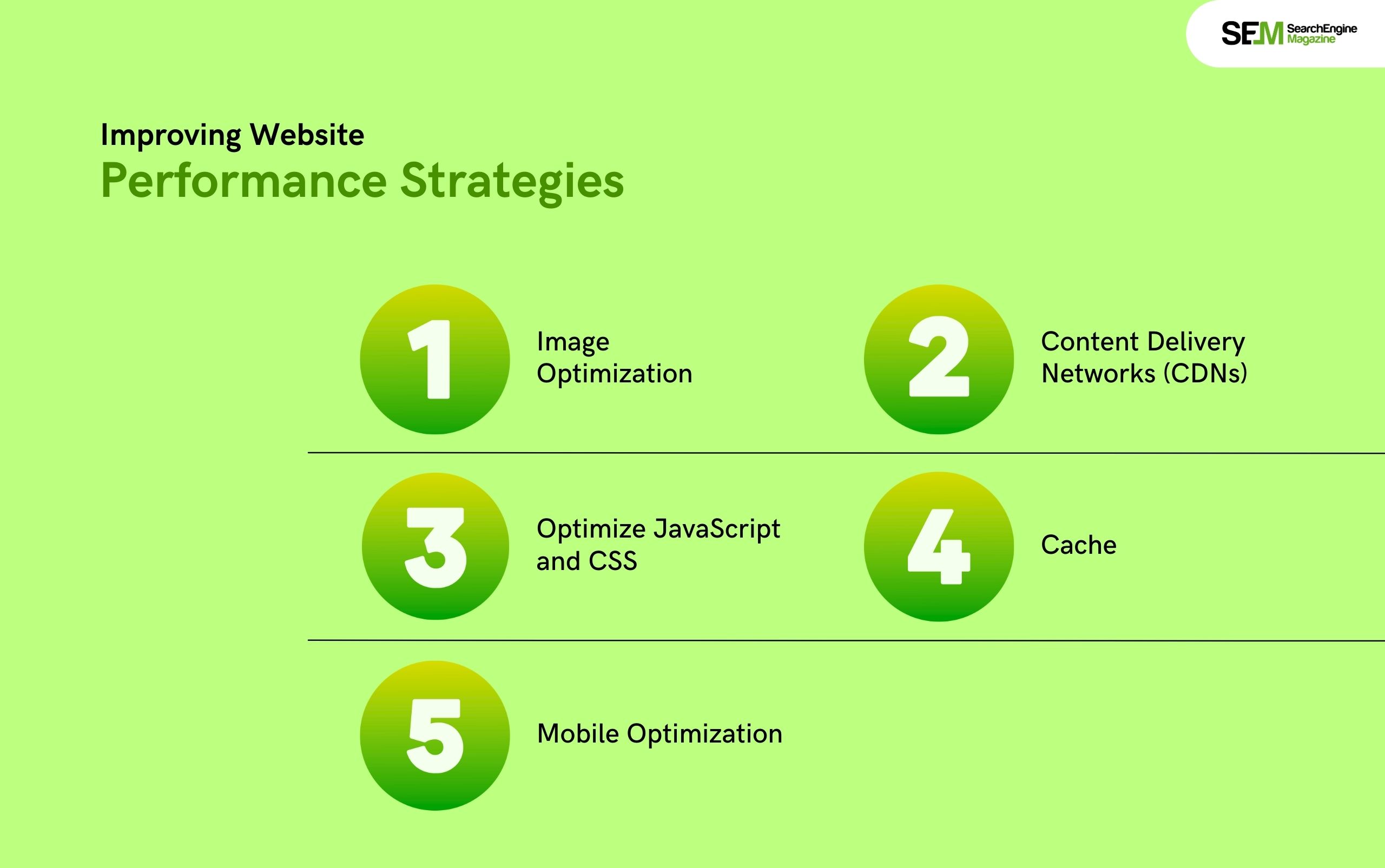
If you want to improve the website’s performance, you have to identify strategies that will be effective. Furthermore, it is important for you to use these strategies to improve how your website performs overall.
User experience impacts the perception of a customer and their readiness to buy. Bad UX makes customers frustrated, carts are abandoned, and even lose sales are lost. On one hand, a good, thought-out UX design develops trust, ease, and satisfaction.
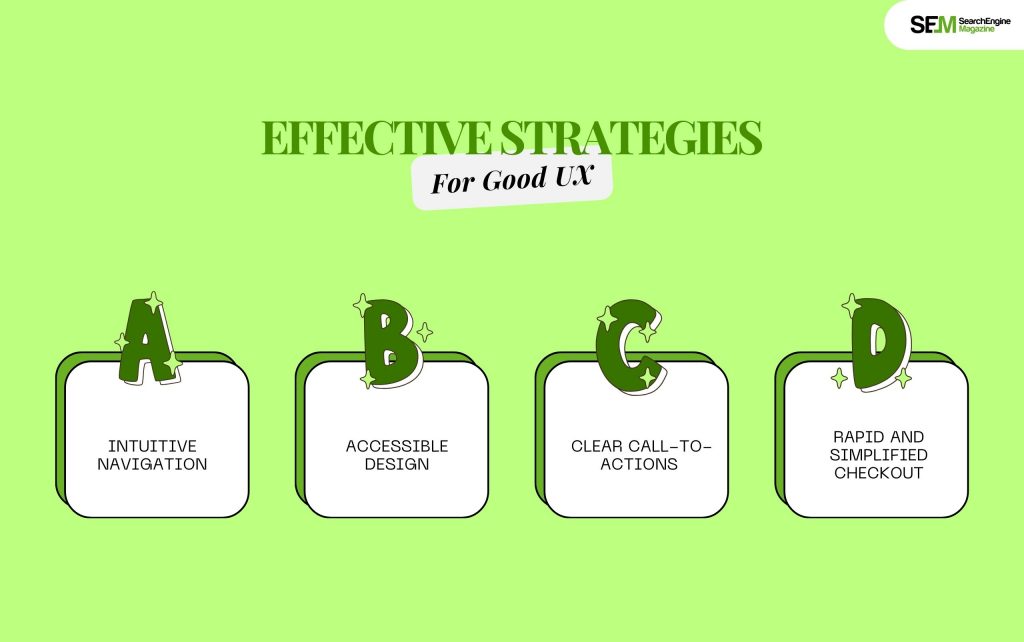
For an effective user experience, you need to implement effective strategies. These strategies will create a good integration between the website of the brand or the organization and the customer of the brand.
Conversion rate optimization, CRO, strategically increases the overall metrics of website visitors who accomplish a desired action.
For example, making a purchase, subscribing to a newsletter, and downloading an application.
In most cases, CRO entails user behavior analysis and testing of different website elements and their implementation based on data-driven results.
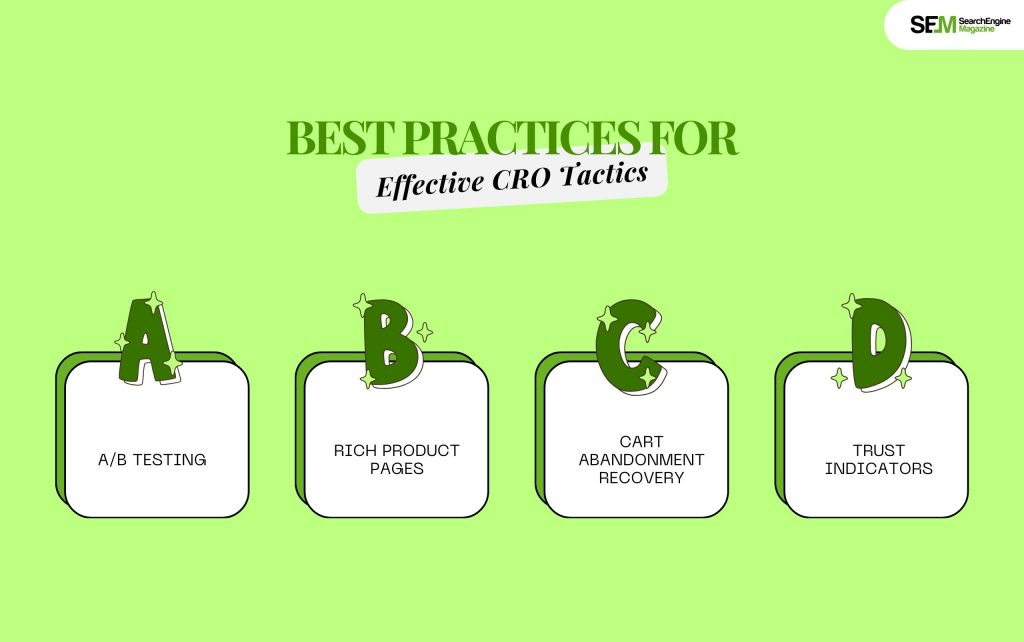
To make the CRO tactics more effective, you need to integrate some of the best practices. These practices will contribute to an overall e-commerce optimization.
SEO is an important method for increasing visibility and organic traffic on your website. Proper SEO helps your store to rank at the top of the search results people may find your site.
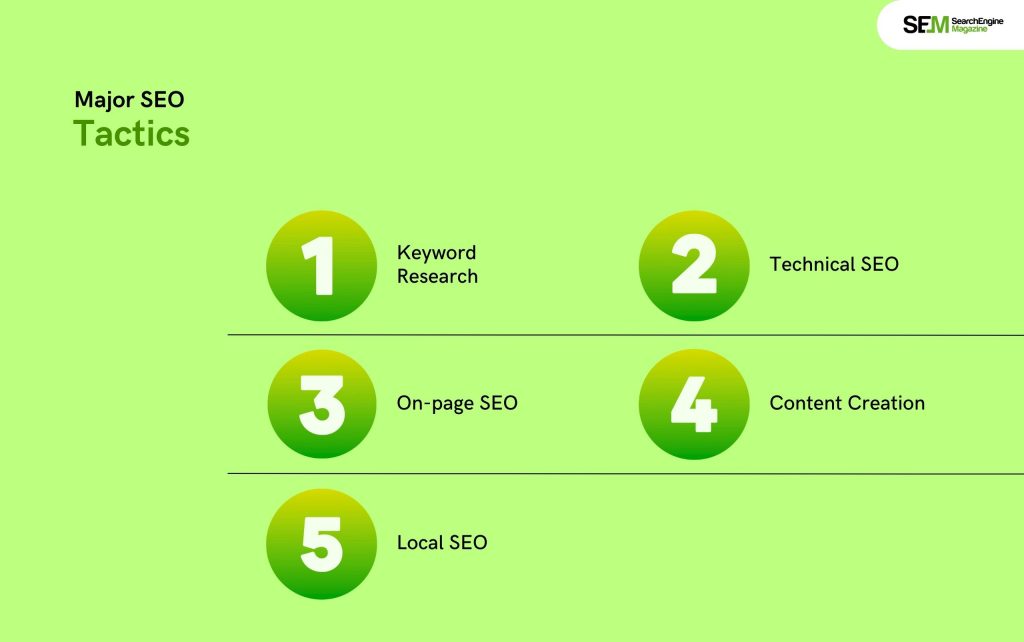
Let me share with you some of the major SEO tactics that will contribute to your website’s performance. I assure you that these tactics will ensure that your site is organically bringing traffic!

Content marketing drives authority, keeps the customer interactive, and encourages SEO. Superior quality content develops traffic and gives rich information to purchasing buyers.
Think about the content marketing campaigns and integrate them well with the website performance. If you feel that the website is not performing well, you need to develop your campaigns accordingly.
Meaningful relationships are built on customer engagement. With data and technology, companies can personalize experiences that encourage engagement and loyalty.
Many online businesses struggle to set up these personalized systems on their own. Working with a specialized agency helps store owners build these features without technical issues. For example, the team at Futur Media helps brands build and manage custom Shopify stores that focus on user experience. They assist with everything from custom design to backend setup. This support allows business owners to focus on marketing and product development instead of coding.
Have you made any plans regarding customer engagement with your website? There are ways in which you can bring in new customers and retain the old ones. Let me share with you the key personalization strategies. This will help you decide on the way your website to integrate UX to the hilt!
Given that people nowadays use mobile devices more than desktops or laptops, optimizing your website for mobile users is quite necessary. That is, making it mobile-friendly can help boost its overall SEO performance.
So, with a simple mobile optimization, brands can get more clicks and customers without trying too much. Making it easier to optimize a proper e-commerce website.

Along with these, optimizing the technical SEO can help improve the website’s performance. So, taking simple measures to improve the SEO metrics can instantly boost the overall performance of the site.
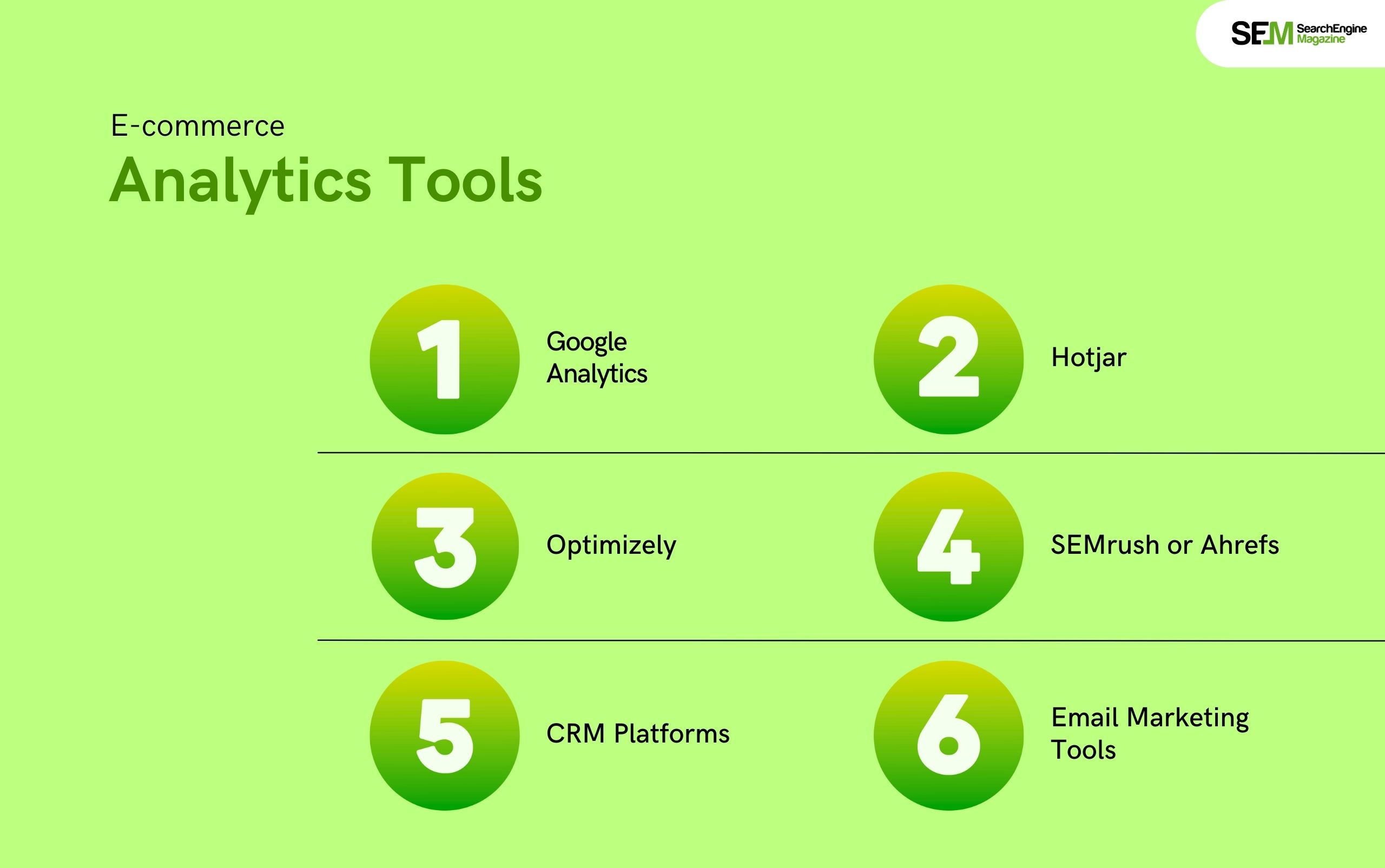
To achieve optimization and to keep a check on the performance of a website, one applies the following:
E-commerce optimization is not a matter of improving one area of your online store to multiple strategies that harmonize to build an effective system.
It’s the optimization of your website’s performance and user experience, SEO, content marketing, and personalization-all elements contributing to driving sales and fostering growth.
Data-driven decision-making and constant monitoring of key metrics ensure that the business reacts to changes in market trends and consumer expectations.
Optimization can occur more quickly and easily to determine which areas need improvement and which opportunities are available using advanced tools and analytics.
E-commerce optimization is the way to stand out in today’s highly competitive digital landscape and ensure customers are retained and successful in the long run.
Businesses focusing on optimization will surpass customers’ expectations, opening the door to long-term profitability and growth.
Chandrima is a seasoned digital marketing professional who works with multiple brands and agencies to create compelling web content for boosting digital presence. With 3 years of experience in SEO, content marketing, and ROI-driven content, she brings effective strategies to life. Outside blogging, you can find her scrolling Instagram, obsessing over Google's algorithm changes, and keeping up with current content trends.
View all Posts

How To Get Your Brand Cited In AI Search Resu...
Oct 22, 2026
The Ultimate Blueprint For Broken Link Buildi...
Oct 16, 2026
The Ultimate Guide To Stealing Your Competito...
Oct 15, 2026
Beyond The Basics: Master Guest Posting For H...
Oct 15, 2026
Best Generative Engine Optimization (GEO) Com...
Oct 14, 2026