
SEO Dashboard: What To Track, What To Ignore, And How To Make It Useful
Sep 25, 2026

Believe it or not, a reliable content management system (CMS) can do wonders for the SEO performance of websites. That is, it can change how the content is presented to countless users.
But choosing a CMS that does not align with the content production of your business can adversely impact the SEO.
For instance, if it prompts a blog article when you are posting a video, then the entire purpose of having a CMS fails. So, it is vital to find the right CMS.
Now, the market is filled with countless options. And, let’s be honest, choosing a single tool that best suits your business needs can be a hard nut to crack.
So, here I have delved into the best CMS for SEO by highlighting—
Stay tuned!
Before diving into the top 5 CMS for SEO or how to choose the right one, let’s look into the basics of a CMS.
To explain in simple terms, a CMS refers to a content management system that helps users to create and SEO-optimize their websites.
That is, it separates the need for complex coding. Making managing a website easy-peasy. So, both professionals and beginners can seamlessly use the tool.

Now, most of the popularity of these SEO-friendly CMS resides in their key features. So, here are the major features of these tools—
Although there are many CMS, here are the top 5 CMS that offer SEO-friendly tools and features—
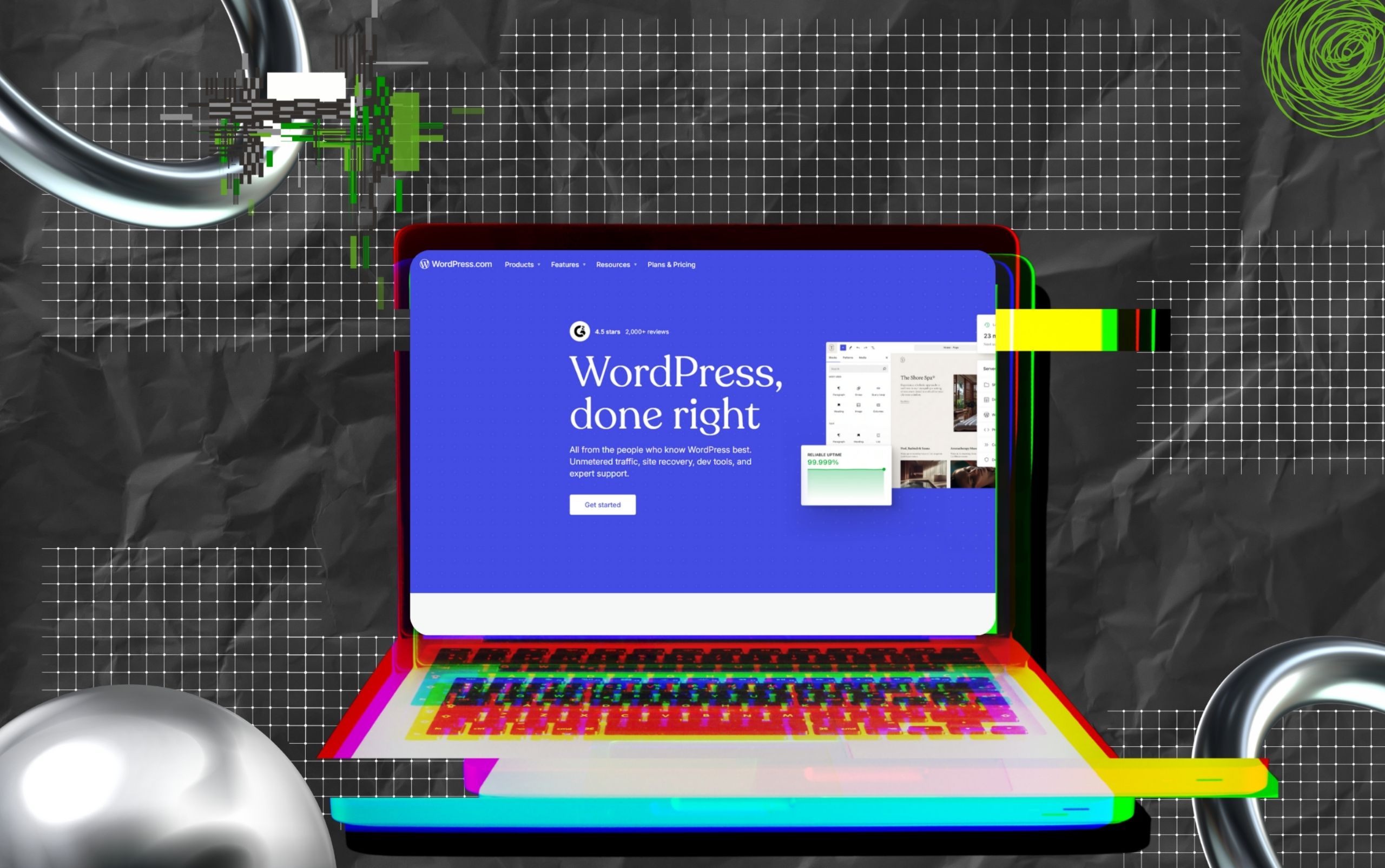
Firstly, WordPress is one of the most popular SEO-friendly CMS. That is, it allows users to manage the diverse aspects of a website without needing any coding.
Additionally, it comes with diverse plug-ins to help users optimize the sites. So, over 40% of the websites use WordPress to manage and optimize them for better ranking and crawlability.

Out of the many SEO-friendly CMS, Drupal is considered the developer’s favorite. That is, it simplifies the complexities of creating and managing websites.
Moreover, it offers diverse modules that take the direct instruction input for SEO optimization and apply it to the website. Making it child’s play to manage a website.

Among other e-commerce CMS, Shopify tops the list for its user-friendly and highly customizable features. These help businesses and marketers to optimize the sites for improved SEO performance.
In addition to this, it automatically updates the basic robot.txts and XML sitemaps. So, it becomes easier for businesses to handle their e-commerce websites.

Now, amidst the diverse CMSs, Wix works best for small teams and creative start-ups. That is, its easy drag-and-drop design helps in managing and optimizing the design of the websites.
So, businesses that cannot invest in a high-end professional developer, they can use Wix’s simple and user-friendly interface to create and manage websites.

Finally, Squarespace comes with a complete package for optimizing a website with built-in SEO tools. That is, it can help with designing and content optimization alike.
Moreover, it has a clean interface. Making it easier for businesses to navigate the non-visual but highly technical tool to create and manage their websites.
Given that choosing the right SEO-friendly CMS for your website management is the key to creating and optimizing business sites, here are some tips to make the right decision—
But if you make a mistake while choosing the CMS for SEO, it can affect adversely. So, here are some of the mistakes you need to avoid—
So, by avoiding these mistakes, you can make the right decision about the CMS for SEO. And, if you haven’t tried one yet, get some hands-on experience with these top 5 ones.
Here, I have brought you some of the common questions around the SEO-friendly CMS that most businesses and marketers look for.
No, unfortunately, a CMS cannot determine the overall SEO success. Generally, SEO success depends on countless factors, like—
• Loading speed,
• URL structure,
• Crawlability and indexability,
• Backlinking, and
• Content optimization.
But the CMS can max-to-max determine the speed, URL structure, and crawlability. So, it cannot function as a standalone strategy for SEO success.
Yes, almost all CMSs come equipped with the features and essential tools to create a proper sitemap. So, brands and marketers can create an XML sitemap to help websites improve their crawlability.
Additionally, they have the capability to include an extension, plugin, or module. So, marketers can efficiently create sitemaps for their websites.
Yes, absolutely. Given that Google uses the mobile-optimized version of a website to index and rank, the choice of the CMS can heavily impact how the mobile SEO works.
That is, when the CMS helps with the mobile responsiveness, loading speed, and design of the page, it helps the site to be better optimized.
So, the bots can better index the websites and rank them for the user search queries.
Yes, absolutely. Unlike a regular CMS, a headless CMS outperforms the traditional system with high loading speed and structured data management.
So, it provides a better management system for the website. Making it ready for indexing and ranking on the SERPs.
Chandrima is a seasoned digital marketing professional who works with multiple brands and agencies to create compelling web content for boosting digital presence. With 3 years of experience in SEO, content marketing, and ROI-driven content, she brings effective strategies to life. Outside blogging, you can find her scrolling Instagram, obsessing over Google's algorithm changes, and keeping up with current content trends.
View all Posts

SEO Dashboard: What To Track, What To Ignore,...
Sep 25, 2026
Analytics SEO: How To Turn Search Data Into B...
Sep 25, 2026
AI Search Tools: What They Actually Measure A...
Sep 25, 2026
FAQ Schema: When It Still Makes Sense And Whe...
Sep 25, 2026
The Keyword With 10 Searches That Sent Ahrefs...
Sep 24, 2026