SEO Dashboard: What To Track, What To Ignore, And How To Make It Useful
Sep 25, 2026
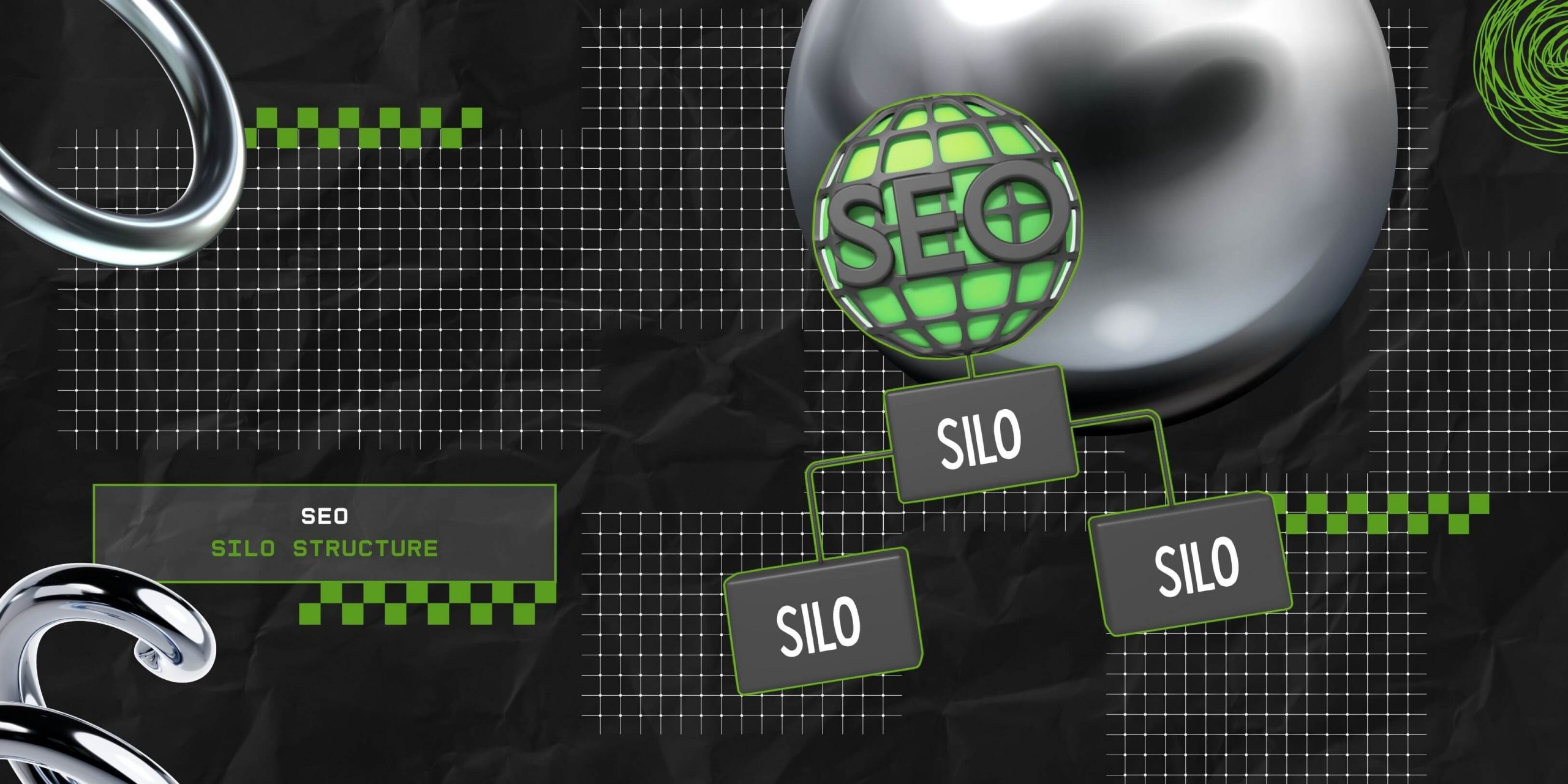

Ranking on SERP funnels down to one thing — making the algorithm understand the structure.
And, siloing is one of the many methods used by brands to create a site structure with internal links and groups.
Even though the term means to segregate a single item or product from the rest of the things in the group, it refers to something completely different in SEO.
That is, it refers to grouping pages based on categories. So, brands can keep separate sections with the content clusters.
Making it easier for both search engines and users to understand the structure.
But the real question is— “How to create an SEO silo structure?” Well, no need to look any further, I have got you covered.
In this blog, I will delve into the diverse aspects of SEO silos by highlighting—
Stay tuned!
To put it in simple terms, SEO silo structure refers to the specific website architecture that groups relevant content pages.
That is, within the self-contained sections of the websites, the pages are grouped and internally linked. So, users and the search bots can easily navigate the groups.
Now, the main aspect of this grouping or categorization is that brands need to ensure that the content from different silos is not interlinked.
This will prevent the mixing up of the relatable or thematic content on the website. Making it seem cluttered and disorganized.
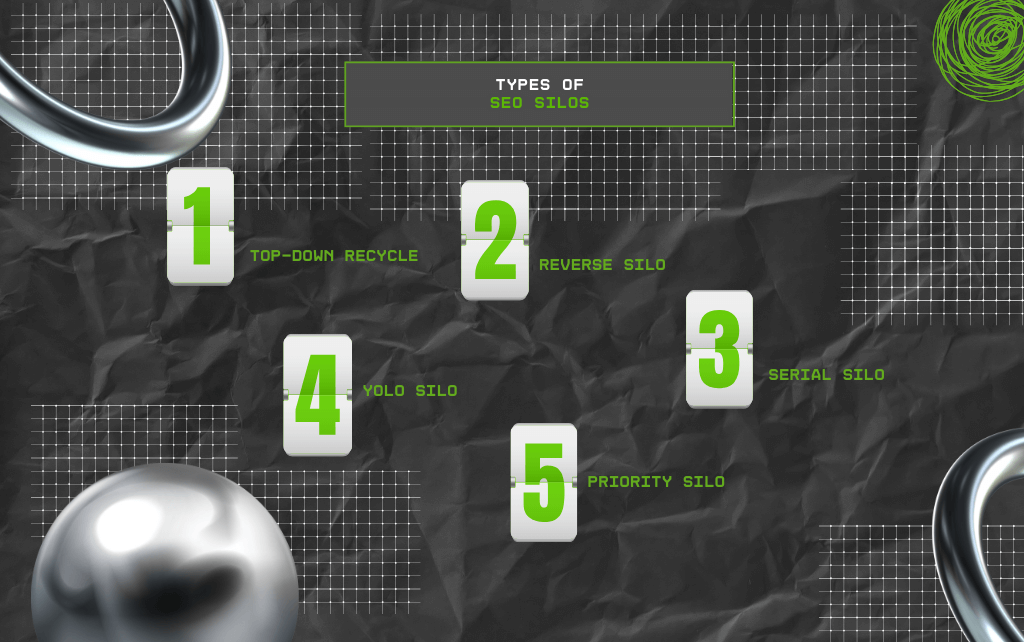
Now, there are different SEO silo configurations available. So, some of these types include—
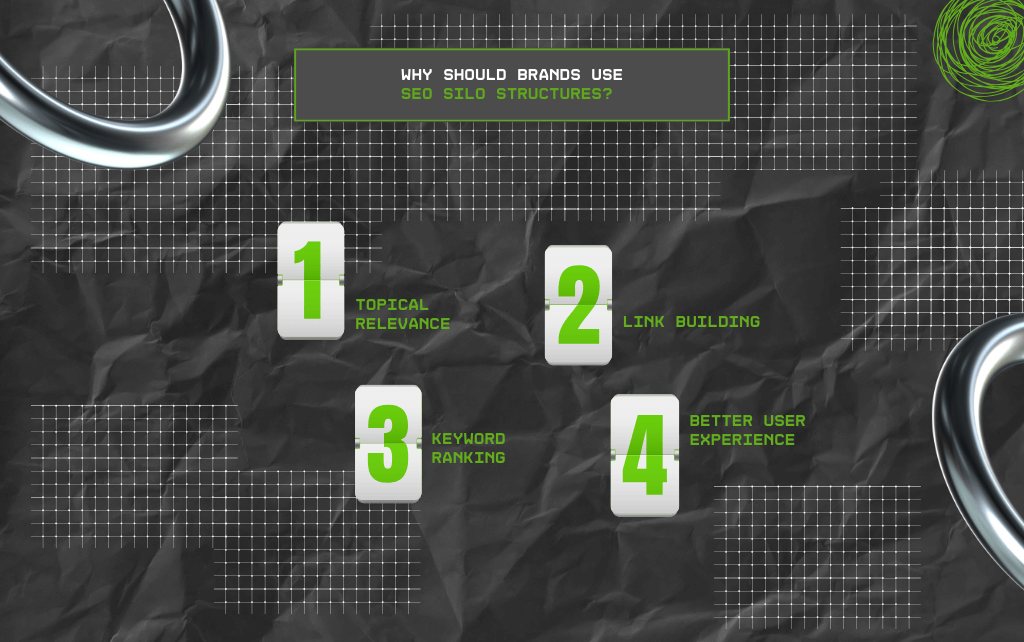
Given that the SEO silo structure offers massive benefits, it is readily adopted by brand websites. So, here are some of the benefits of SEO silos—
Firstly, it helps brands to enhance their authority with enhanced topical relevance. That is, the grouped content pages signal search bots that the site has authority in the field.
Moreover, a proper SEO silo can help in seamlessly linking the content pages. That is, brands can easily link the internal content pages within a silo that offers link equity.
In addition to this, creating a silo structure allows brands to cover topics from both the broad and niche areas. So, the site can rank easily for relevant long-tailed keywords.
Finally, the silos help both the users and the search bots to understand the structure of the site. That is, the users can navigate through the organized content pages, which increases engagement.
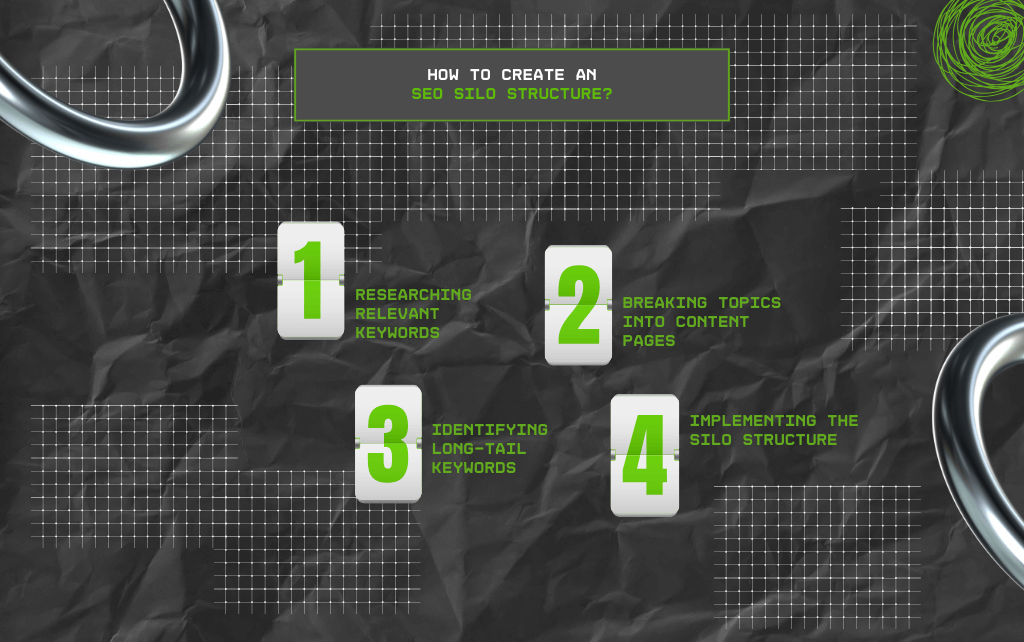
Now, creating an SEO silo structure is not a hard nut to crack. So, here are the steps to create a proper silo for the brand websites—
Firstly, brands need to conduct relevant keyword research to identify the broad topics and user search intent. So, they can create the silos that broadly address these intents.
Then, they need to break each broad topic into smaller subtopics. So, it can become a proper topic cluster, covering all the subtopics and relevant aspects of the main topic.
After that, brands need to conduct keyword research to find long-tailed keywords for each content page. So, these pages can rank and help the brands to gain visibility.
Finally, brands need to interlink these subtopic pages with the main content and with each other based on hierarchy and relevance.
So, the link juice for the topic flows from the top to the bottom without impacting the silos in any way.
Also, brands need to avoid keeping orphaned pages that lead to broken silo chains. So, the bots can crawl and index the pages to improve the rankings.
Now, making a simple mistake while creating the SEO silos can massively impact the result of the grouping. So, here are some of the common mistakes to avoid—
So, by avoiding these mistakes, brands and marketers can easily create SEO silos that provide a proper framework for structuring the websites.
Just take this chance to create silos and maintain a proper structure for the content pages on the website. Engaging both the users and the search bots.
Here, I have brought you some of the common questions around the SEO silo structures that most users look for.
Generally, the hard SEO silos refer to the physical URL subdirectories that create the specific hierarchies. So, it helps in directing the user to the specific sub-directory.
On the other hand, soft SEO silos use thematic internal linking strategies for relevant pages. So, users can design the structure of the website without changing the URLs.
Given that silos help in categorization of the content pages, the internal linking should be highly relevant and thematically effective.
This is mostly for pages under the same silo. That is, they should be highly relevant and related to the overall theme of the category.
Otherwise, it is better to avoid linking pages from other silos. This can prevent the breaking of the structural silos.
Yes, absolutely. Unlike the other SEO practices and methods, SEO silos need proper maintenance. That is, it is not something one can set and forget.
Rather, it requires proper maintenance with regular monitoring and adjustments. So, the silo structures perform as they are expected. Making the site authoritative for the search engines.
Chandrima is a seasoned digital marketing professional who works with multiple brands and agencies to create compelling web content for boosting digital presence. With 3 years of experience in SEO, content marketing, and ROI-driven content, she brings effective strategies to life. Outside blogging, you can find her scrolling Instagram, obsessing over Google's algorithm changes, and keeping up with current content trends.
View all Posts

SEO Dashboard: What To Track, What To Ignore,...
Sep 25, 2026
Analytics SEO: How To Turn Search Data Into B...
Sep 25, 2026
AI Search Tools: What They Actually Measure A...
Sep 25, 2026
FAQ Schema: When It Still Makes Sense And Whe...
Sep 25, 2026
The Keyword With 10 Searches That Sent Ahrefs...
Sep 24, 2026