Gemini SEO: How To Optimize Your Content For Google’s AI-Powered Search?
Aug 31, 2026
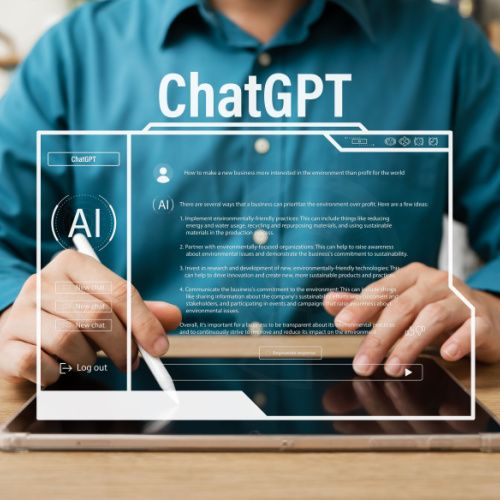

Non-profit organizations are constantly looking for innovative ways to raise funds and engage with their supporters. Luckily, we are living in a digital age with the most evolving technologies that can help achieve these goals. One such technology is Artificial Intelligence and the different AI tools we have at our disposal.
With its ability to analyze vast amounts of data, automate tasks, and provide personalized experiences, AI can be a powerful tool for nonprofits, helping them to streamline operations, enhance decision-making, and improve their impact.
With the help of ChatGPT and other AI tools, nonprofits can benefit significantly. From streamlining operations to increasing its impact, there’s so much a nonprofit organization can do with AI’s help. And that is precisely why we are here: to explore all the ways in which NGOs can use AI.
Stay tuned.
Virtual fundraising assistants powered by AI (artificial intelligence), such as ChatGPT, have emerged as valuable tools for organizations seeking to enhance their fundraising efforts. These AI-powered chatbots can work around the clock to engage with potential donors and provide them with the information they need to donate.
Their availability and responsiveness 24/7 make for a convenient interaction. Whether late at night or during the weekends, the chatbots can engage with donors in real time, providing immediate responses to their inquiries, hence increasing the chances of capturing donors’ interests.
AI-powered chatbots can also analyze donor preferences and behaviors and offer personalized recommendations. They can leverage donors’ data, such as previous giving history, interests, and motivations, and suggest specific programs or initiatives that align with the donor’s specific interests. This personalized approach enhances the donor’s experience, making them more likely to engage and donate.
Another advantage of virtual fundraising assistants is that they can provide detailed information about the non-profit’s mission, projects, and impact.
They can answer frequently asked questions, explain the organization’s goals and objectives, and share success stories and testimonials. By providing comprehensive and accurate information, they can help build trust and credibility and increase the likelihood of donor support.
No potential donor wants to browse around a website, wondering where the donor form is or how to make a donation. A virtual assistant powered by AI comes in to help guide the donation process. This makes it fast and easy for donors and even encourages and motivates them to proceed.
So without wasting time, let’s check out how nonprofits can leverage AI tools to streamline operations in 2026:
AI tools can help non-profits improve donor engagement and retention rates by analyzing data from various sources, including social media and email campaigns.
By understanding donor behaviors, preferences, and patterns, nonprofits can tailor their communication strategies and deliver personalized messages that resonate with individual donors.
AI-powered algorithms can help analyze donor data to identify specific segments or profiles that are more likely to contribute to a particular cause.
Non-profits can leverage this information to design targeted marketing campaigns that speak directly to potential donors’ interests and motivations, significantly increasing conversion rates.
AI can analyze historical data to identify trends and patterns that can help non-profits make informed decisions. Organizations can then leverage this data to forecast future fundraising opportunities. Moreover, they can also optimize resource allocation and proactively adapt their strategies to maximize impact.
Writing grant proposals is a time-consuming process that requires extensive research and attention to detail. AI-powered tools can assist non-profits by automating parts of the grant writing process. This includes generating templates and providing valuable recommendations based on previous successful proposals.
Non-profits can leverage AI-powered tools to monitor social media platforms for mentions, trends, and sentiment analysis related to their cause. So, by keeping a pulse on social media conversations, non-profits can identify potential brand ambassadors, respond to inquiries, and engage in meaningful conversations to build an even stronger online community.
Additionally, utilizing Google My Business effectively allows non-profits to enhance their visibility, keep profiles updated, and promptly address reviews and questions. Also, incorporating a post-scheduling software helps streamline Google posts and content across platforms. This ensures consistent engagement with their audience.
AI algorithms can help non-profits streamline the volunteer matching process by analyzing volunteer profiles, skills, and availability. They make it easy to automate this process.
This, in turn, helps non-profits to connect volunteers with relevant opportunities more efficiently, save more time and resources, and ensure a better match between the skills and interests of volunteers and the organization’s needs.
Handling large volumes of data can be a tedious task, and AI can help with it. Non-profits often deal with volumes of data related to donors, volunteers, and beneficiaries.
So, AI-powered tools can come in to automate data entry, data cleansing, and data management tasks. This reduces the administrative burden and enables non-profit staff to focus on higher-value activities, such as building relationships and developing strategy.
AI tools can play a crucial role in program evaluation and impact assessment for non-profit organizations.
They can analyze data from various sources, including surveys, reports, and social media, and provide valuable insights into the effectiveness and impact of different programs and initiatives.
AI tools can assist non-profits in quantifying and measuring the impact of their programs by analyzing data related to key performance indicators (KPIs), such as the number of beneficiaries reached, improvements in specific metrics, or changes in community well-being.
This data-driven approach can provide accurate and objective assessments of program effectiveness. And, in turn, enable non-profits to communicate their impact more convincingly to donors and stakeholders.
AI algorithms can compare the outcomes of different programs and variations within a program to identify best practices and areas for improvement.</p>
Moreover, they can help nonprofits analyze data across multiple initiatives and gain insights into what works well and replicate successful strategies in other areas. This iterative approach helps maximize impact and resource allocation.
AI-driven program evaluation enables non-profits to establish a culture of continuous learning and improvement.
They allow non-profits to leverage data and insights to identify areas for growth, experiment with innovative approaches, and continuously refine their programs, which helps maximize their impact over time.
When implementing AI solutions, nonprofits should consider ethical considerations and privacy concerns and ensure transparency in how AI is used. Collaboration with AI experts, data scientists, and technologists can also help nonprofits navigate the complexities of integrating AI into their operations effectively.</p>
It’s important to note that AI should augment human efforts rather than replace them. While leveraging AI to enhance their impact, nonprofits should always prioritize their mission and the needs of their beneficiaries.
Barsha is a seasoned digital marketing writer with a focus on SEO, content marketing, and conversion-driven copy. With 8+ years of experience in crafting high-performing content for startups, agencies, and established brands, Barsha brings strategic insight and storytelling together to drive online growth. When not writing, Barsha spends time obsessing over conspiracy theories, the latest Google algorithm changes, and content trends.
View all Posts

Gemini SEO: How To Optimize Your Content For ...
Aug 31, 2026
AI Visibility: What It Means, How It Works, A...
Aug 31, 2026
AI Overviews Ranking Factors: What The Eviden...
Aug 31, 2026
LLM Optimization: Why Your Best Pages Are Inv...
Aug 31, 2026
AI Search Optimization: What It Is, How It Wo...
Aug 28, 2026