How To Get Your Brand Cited In AI Search Results In 2026
Oct 22, 2026


In today’s digital landscape, the competition for online visibility is fierce.
Therefore, you must figure out the best strategic roadmap to optimize your Google Ads campaign.
This is paramount for achieving success in digital marketing.
However, launching a campaign alone is not sufficient.
Careful optimization is required to maximize its effectiveness and return on investment (ROI).
This guide will explore practical strategies to optimize your Google Ads campaign.
So, when you learn how to optimize your Google Ads campaign, you can enhance performance.
Moreover, you can reach your target audience more effectively and achieve your marketing goals more efficiently.
Google Ads, previously called Google AdWords, is an extensive online advertising platform created by Google. It allows advertisers to pay for the display of short ads, service offerings, product listings, and video content, and to promote mobile app installations across its advertising network to internet users.
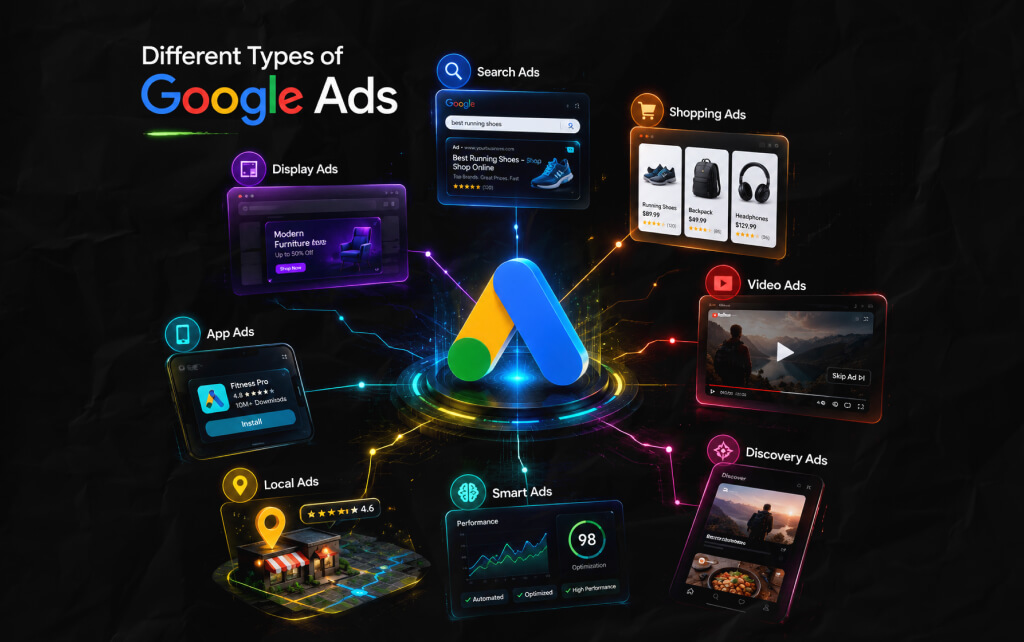
Google Ads offers the following types of advertising options to cater to various business needs and marketing goals.

These are text-based ads that appear on Google search results pages. When users search for keywords related to your products or services, your ad can appear above or below the organic search results. This is highly effective for reaching potential customers actively searching for what you offer.
Display ads are visual advertisements that appear on websites within the Google Display Network. This network includes millions of websites, news pages, blogs, and Google sites like Gmail and YouTube. Display ads can be in the form of images, banners, and interactive ads, making them helpful in building brand awareness and retargeting users who have previously visited your site.
Shopping ads show users a photo of your product, a title, price, store name, and more. These ads appear when people search for products on Google or Google Shopping. Shopping ads are great for retailers as they provide detailed information that can help drive sales and direct traffic to your online store.

Video ads are shown on YouTube and across the Google Display Network. They can appear before, during, or after a video is played. This type of ad is effective for engaging users with compelling video content, increasing brand awareness, and dynamically promoting products or services.
App ads are designed to promote mobile applications across Google’s entire suite of advertising platforms, including:
Local ads are designed to drive traffic to physical store locations and appeal to users searching for products or services near them. These ads can appear on Google Search, Google Maps, and the Display Network, featuring directions, business hours, and available products or services to attract local customers.
Smart ads use Google’s machine learning to optimize your ads’ performance automatically. By setting your advertising goals and letting Google’s AI handle the rest, Smart campaigns adjust your bids, audiences, and ad placements to maximize your results with minimal manual management.
Discovery ads are displayed within Google’s ‘Discover’ feature, recommending content to users tailored to their interests. These ads can also appear on YouTube’s home feed and in Gmail, offering a visually rich, mobile-first way to connect with potential customers.
Before making tactical configuration changes, advertisers must align their business goals with the correct native Google ad type:
| Ad Variant Type | Native Placements & Network Displays | Primary Marketing Objective |
|---|---|---|
| Search Ads | Google Search result pages (above or below organic lists). | Capturing users actively searching for exact terms. |
| Display Ads | Google Display Network (millions of partner blogs, news sites, Gmail, YouTube). | Building broad brand awareness and running retargeting funnels. |
| Shopping Ads | Google Shopping tab and product search result windows. | Driving direct e-commerce retail sales using visible price and photo previews. |
| Video Ads | Pre-roll, mid-roll, and post-roll slots on YouTube and video partner networks. | Delivering dynamic, engaging storytelling assets to audiences. |
| App Ads | Google Play Store, Search, YouTube, and universal display channels. | Scaling mobile application downloads or driving in-app user interactions. |
| Local Ads | Google Maps interfaces and proximity-focused search results. | Funneling physical foot traffic to brick-and-mortar storefront locations. |
| Smart Ads | Automated placements distributed dynamically across all network channels. | Hands-off campaign management using built-in machine learning bidding. |
| Discovery Ads | Google Discover feeds, YouTube homepage modules, and personalized tabs. | Engaging mobile-first audiences with personalized content recommendations. |
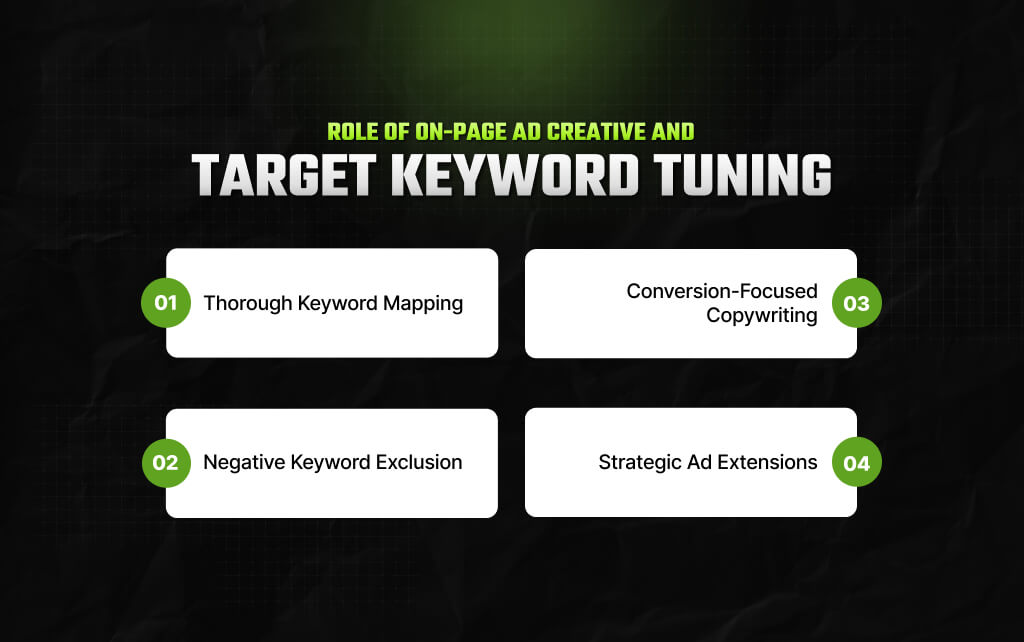
The core foundation of search performance relies heavily on precise keyword selection and highly relevant ad text.
Use planning tools to identify highly relevant search phrases typed by your target audience.
Prioritize semantic alignment over raw search volume to ensure you attract qualified, ready-to-buy leads.
Analyze daily search query reports to find irrelevant terms that are wasting your ad spend.
Adding these to your negative keyword list stops your ads from showing up for unprofitable searches.
Write compelling ad headers that highlight your unique selling points, such as competitive pricing or exclusive promotions.
Always include a clear, persuasive call-to-action (CTA) to guide user clicks.
Pack your listings with additional interactive features like sitelinks, callout tags, and structured snippets.
This increases your layout visibility on search pages and boosts initial click-through rates.
Google Ads provides a robust way to connect with potential customers online.
It is an important part of any digital marketing strategy. By utilizing Google Ads, businesses can meet their immediate marketing goals.
Additionally, they can set the stage for long-term growth.
This platform allows advertisers to reach their audience at various touchpoints across the internet.
Moreover, it offers targeted advertising, which ensures that the right people see the right messages.
This means increased efficiency and better results.
Furthermore, businesses can track their performance in real time. This data helps them make informed decisions to optimize their campaigns.
Over time, consistent use of Google Ads can lead to lasting success in the digital realm.
In conclusion, integrating Google Ads into your marketing efforts can be highly beneficial.
It not only addresses short-term needs but also helps pave the way for future achievements.
Read Also:
Barsha is a seasoned digital marketing writer with a focus on SEO, content marketing, and conversion-driven copy. With 8+ years of experience in crafting high-performing content for startups, agencies, and established brands, Barsha brings strategic insight and storytelling together to drive online growth. When not writing, Barsha spends time obsessing over conspiracy theories, the latest Google algorithm changes, and content trends.
View all Posts

How To Get Your Brand Cited In AI Search Resu...
Oct 22, 2026
The Ultimate Blueprint For Broken Link Buildi...
Oct 16, 2026
The Ultimate Guide To Stealing Your Competito...
Oct 15, 2026
Beyond The Basics: Master Guest Posting For H...
Oct 15, 2026
Best Generative Engine Optimization (GEO) Com...
Oct 14, 2026