PRNEWS Rewards Adds Rankfor.AI To Track How Brands Show Up In AI Assistants
Oct 10, 2026
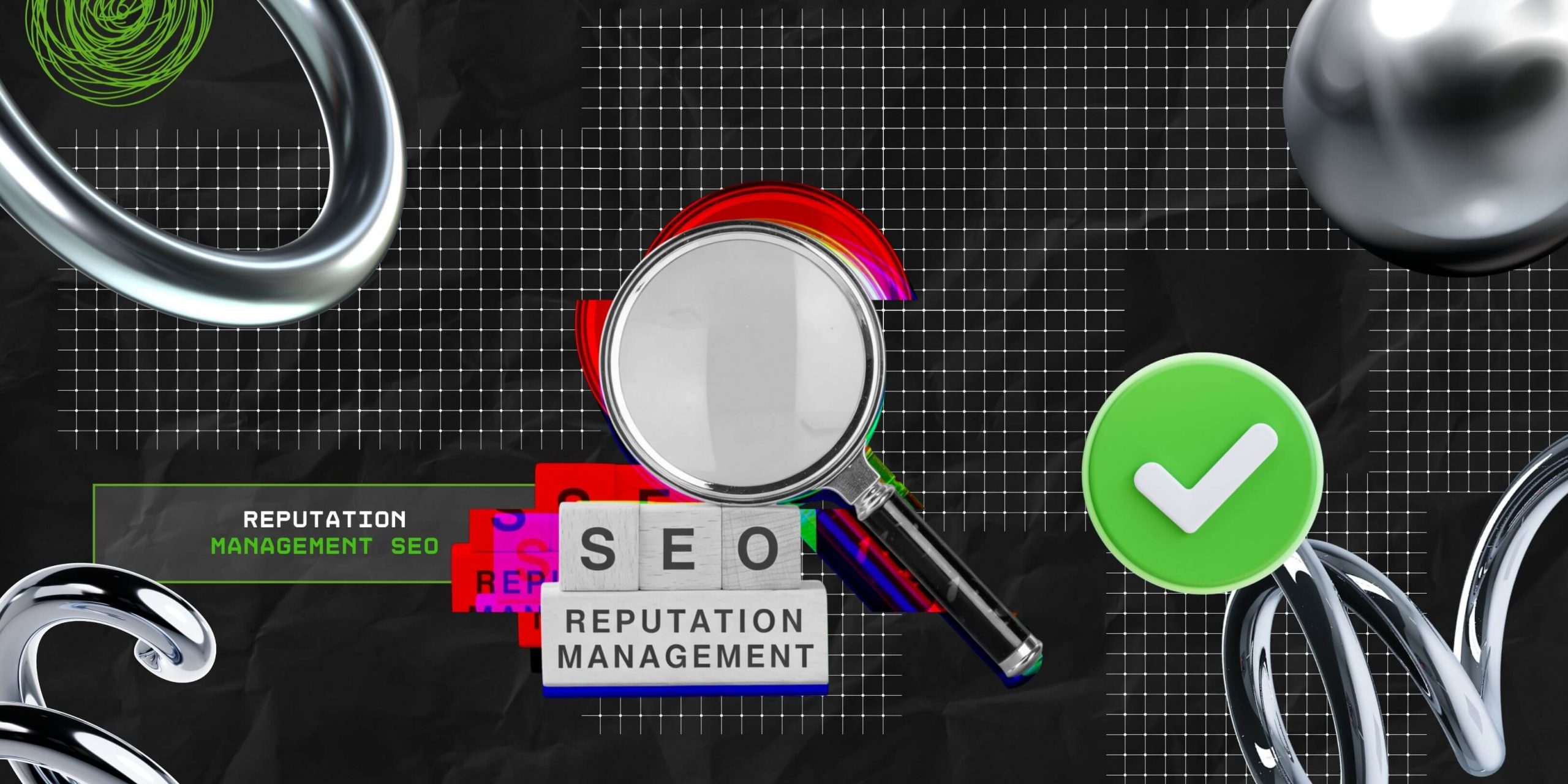

Before you roll your eyes at reputation management SEO, let me tell you something brutal: Your brand’s reputation can make or break your relevance in search results – and by extension your profitability.
Sounds too harsh? Search Engine Magazine was penalized by Google’s infamous March Update in 2024.
And suddenly, one morning, we were at 0 traffic – our clients tried to stick with us for a few months, but then they left, one after the other. The worst part? We had no traction for 9 whole months.
I was frustrated. I wasn’t giving up so easily. So, in the absence of money and resources, I started working with effective SEO shortcuts that could potentially save us from complete ruin.
Guess what? In 3 months, we were at 1.4K, and currently, we have 30K+ steady, organic traffic on the website.
It wasn’t easy, and convincing old clients to come back after our damaged reputation was difficult – we are still in the middle of mending relationships that we almost lost forever.
And we aren’t alone. Today, users depend heavily on search results to evaluate brands, with nearly 81% customers (as per data published on Wiserreview in August, 2025) trusting online data before making any decision.
Also, according to Search Engine Land, outdated content, negative listings, and misleading information are significant contributors to lost conversions and brand distrust.
For ecommerce businesses, enterprise brands, local service providers, and SaaS companies, reputation management SEO is a full-fledged strategic requirement.
Why? Because it ensures that your customers will only see positive, trustworthy, and accurate information when they look for your business online.
On that note, today, I will discuss and dissect how SEO blends with reputation management to help businesses control how they are perceived by their target audience and customers online.
Stay tuned.

Reputation management SEO is all about optimizing organic search results in a way that only trustworthy, positive, and accurate information about your brand appears prominently.
Moreover, it includes:
Also, Google only prioritizes authoritative sources and high-quality content. Why? Because the search engine giant wants to help visitors understand a brand (or business) accurately.
The primary (or core) components of reputation management SEO include:
United Airlines, a USA-based airline, faced significant backlash nearly a decade ago. In 2017, the airline was responsible for forcibly removing one passenger because the particular flight in question was overbooked.
Now, this passenger had done nothing wrong. Because the crew had selected them randomly to be moved to another flight, they refused. Of course, the entire incident became viral, sparking public outrage on social media.
To make matters worse, United Airlines initially replied with cold, corporate words that seemed to be blaming the passenger. Moreover, this appeared terrible, quickly fueling more customer complaints and negative feedback.
TBH, it was super messy, but there are some key lessons to learn: Always act quickly. But ensure you are empathetic with your responses.
Moreover, always take accountability for the mistakes you have made. Also, you should share some of the things you are doing to improve the situation.
United Airlines did understand the value of reputation management in the end. Later, they issued a formal apology to the world. Also, they changed their polices that caused overbooking.
However, the damage caused to their reputation did linger for months, highlighting how a single incident can impact brand sentiment over time.
For a majority of customers (including me and everyone in the digital marketing profession), Google can make or break your impression – it’s where we read everything.
A single outdated article or a negative link can significantly impact your brand’s trust, conversions, and perception.
According to HubSpot’s data, 71% of customers go to popular search engines to do their research. As a result, it is obvious – visibility in search is a core trust signal for most brands.
Your brand reputation in search results influences:
In 2009, a video went viral on YouTube. In the video, Domino’s employees were tampering with food – this dramatically hampered the popular pizza brand’s reputation. Moreover, negative reviews and content about the brand were dominating media coverage and search results.
So, the brand had to use reputation management SEO to shift the brand story – from scandals and controversies to stories about innovation, growth, and a complete digital transformation.
Domino’s reputation recovery strategy heavily relied on public apologies, including official videos from leadership and transparency-focused campaigns like ‘Pizza Turnaround.’
Moreover, the brand engaged with different press outlets actively to secure positive media coverage about their quality improvements.
Also, the brand started working on rebuilding trust through consistent communication and product improvements.

Google takes into account authority, consistency, and quality while evaluating all brand-related content.
In this context, the most significant drivers include:
Have you heard about BrandYourself? FYI, it is a popular service for helping people manage their digital presence.
So, if you are confused about how a personal ORM operates, it could easily be a service company like BrandYourself doing all the work but staying behind the scenes. Also, individuals can always take control of their digital image and reputation.
For instance, if anyone finds only negative content about themselves in search results about some legal issues of the past, then services like BrandYourself can actuall help. How? By creating positive and accurate content with the purpose of outranking anything negative.
Moreover, to execute this effectively, such services use guest blogs, personal websites, and social media.
Also, such services can help people stand out even while they are seeking a job. How? By creating a personal portfolio website and optimizing LinkedIn.
If you want to take charge of your online reputation, but you don’t want to use BrandYourself, then here are some alternatives that can definitely help you.

Negative and harmful results typically appear faster and almost always leave behind lasting damage.
So, the most high-risk scenarios related to negative brand reviews or business listings include:
Back in 2015, Chipotle became the source of a nasty (and dangerous) E.coli outbreak. Consumers got very sick, and sales dropped.
However, Chipotle’s response proved the brand knew how to do crisis management. Firstly, they closed stores quickly for staff training, especially on food safety. Once they reopened, they started offering burritos for free to win customers back.
Moreover, they launched an effective PR campaign explaining the new safety steps they have taken.
In addition, the CEO of Chipotle issued a public apology on multiple occasions. This sort of honesty helped the brand rebuild trust. Also, the brand heavily relied on social media to update customers.
It was an approach that relied on multiple platforms and took time, but in the end, turned out to be very effective. Soon, their stock prices and sales were on the recovery.

Reputation management SEO boosts how much positive and accurate content will appear in search results. Moreover, it also effectively suppresses irrelevant and negative content.
So, the major benefits of doing reputation management SEO are:
Nike faced major backlash over their labor practices back in the 90s. And it is only normal to think that this will sink their reputation, but Nike was able to turn things around for the better.
They paused and listened closely to the negative feedback, creating a team called Corporate Responsibility to address such concerns. Also, this team worked to make genuine changes in their operations.
Moreover, the brand published its audit data and factory locations online – this transparency contributed towards rebuilding trust. Soon, their efforts actually paid off. Nike’s brand reputation began improving, and sales started growing.
So, by tackling issues head-on, Nike was able to convert critics into loyal fans. Today, Nike engages with customers directly, thanks to their active social media profiles.
Check out the most frequently asked questions related to reputation management SEO.
Reputation management SEO generally takes between a month and two. However, a significant number of negative business listings can take 3 months or even longer – it entirely depends on seach index frequency, content competition, and authority signals. Also, content review and publishing activity accelerated progress.
You cannot get rid of negative search results unless they end up violating platform policies. But you can definitely suppress them by increasing positive signals, publishing authoritative content, and boosting review quality. With time, solid search assets will organically push the negative web pages down in SERPs.
Frequently publishing high-authority content, actively engaging, and consistently monitoring can protect your brand from negative content. Moreover, you need to practice strong review generation and entity optimization for the welfare of your brand. Also, responding quickly and maintaining correct business information can reduce brand reputation risks.
For Google, credible platforms such as Yelp, Google Reviews, and major media websites are a priority. When negative feedback accumulates and is not addressed, they end up gaining authority. As a result, negative reviews usually appear prominently in seach results. So, when you respond actively and boost the review velocity, you will see visible improvements.
Barsha is a seasoned digital marketing writer with a focus on SEO, content marketing, and conversion-driven copy. With 8+ years of experience in crafting high-performing content for startups, agencies, and established brands, Barsha brings strategic insight and storytelling together to drive online growth. When not writing, Barsha spends time obsessing over conspiracy theories, the latest Google algorithm changes, and content trends.
View all Posts

PRNEWS Rewards Adds Rankfor.AI To Track How B...
Oct 10, 2026
Is Serpstat Worth It? A Deep Dive Into Pricin...
Oct 09, 2026
How To Use Screaming Frog: The Definitive Tec...
Oct 09, 2026
Master The Rich Result Test: Fix Your Broken ...
Oct 08, 2026
Does vnROM Bypass Still Work? A Realistic 202...
Oct 08, 2026