
SEO Content Audit: A Practical Framework For Creating Helpful Content That Google Wants To Rank
Jul 25, 2026
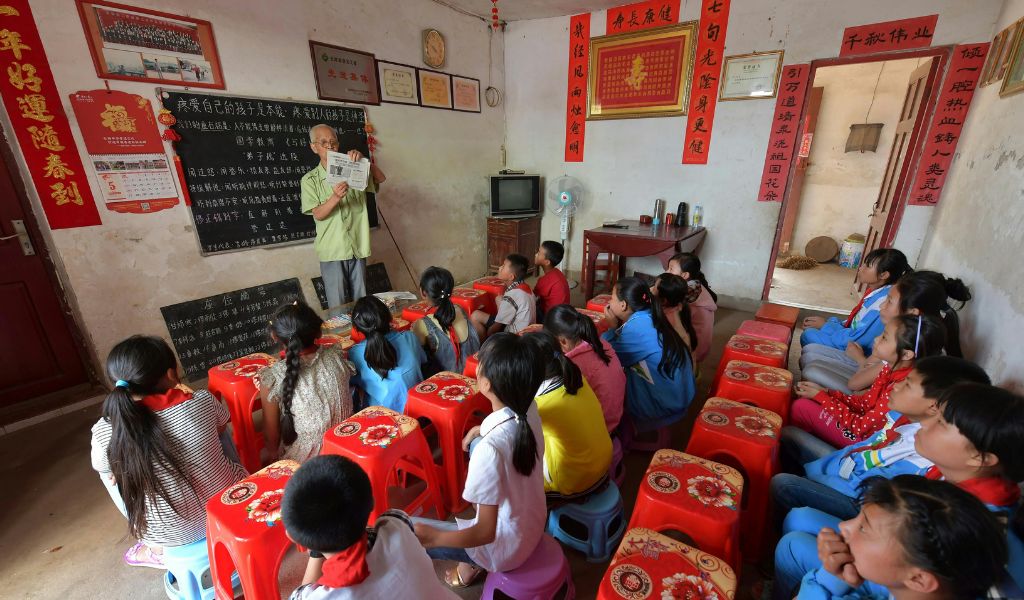

The topic of the day: SEO for Educational Institutions!
Rural schools generally face budget constraints and are situated far away from resources, which makes it quite challenging to get new materials.
Though teachers rely heavily on grit and ingenuity to create lessons, the reality is that many classrooms still have very limited and old shelves.
In these quiet settings where barns break the monotony of the horizon, education continues to advance mainly through consistent work rather than with sophisticated instruments.
Many communities brighten their lessons with broader reading pools and shared study habits. In this spirit, one idea grows stronger over time as Z-library assists curious minds in collecting valuable materials that support slow and steady progress.
Students in small towns often show a big hunger for knowledge, and this simple help gives them fresh routes to explore stories, facts, and fields that once felt out of reach.
For educational institutions in rural areas, SEO serves as a bridge to the digital world. While schools in urban areas are more visible through usual search methods, rural schools can be left unnoticed.
A localized SEO strategy, therefore, becomes a necessity for such schools to align their marketing with the common “colleges near me” searches. Especially considering that more than 70% of rural students now rely on smartphones as their primary research tool.
Some of the major advantages of SEO for educational institutions in rural areas are as follows:
Additionally, using Google Business Profiles and placing mobile responsiveness at the core of design, rural schools can turn the disadvantage of their location into a point of difference within their region’s market.
A student in a remote valley can open a world of thought through books that do not arrive by mail trucks each week. Teachers still guide each step, but richer sources spark new paths.
Rural schools rely on such reachable materials since long trips for printed books drain energy that would be better spent in study halls or quiet reading corners.
As these schools grow, they also form local study circles that mix ages and interests. A teen who loves science might sit near a child who adores poetry, and both discover links between ideas.
This gentle blend turns a small schoolhouse into a lively shared mind where wisdom passes from reader to reader like lantern light at dusk.
Rural students often take charge of their progress. They keep notes, review lessons, and build small projects that reflect daily life.
A lesson on soil health could wrap up by taking a short walk across a field where each footprint has a story to tell.
As a result, the line between study and living dulls, and learning turns to be natural, not something forced.
Educators observe that independent explorations get more powerful when students locate content that reflect their own lives.
Then stories about rivers, farms, and strong communities get them to recognize the lessons in their immediate environment.
This relationship not only improves their ability to remember but also enhances their sense of pride for a place that influences them as much as any textbook.
A few methods stand out for their steady impact on rural learning:
Students gather tales from elders or explore old barns, cabins, and trails. They study these places with care and link each detail to lessons in history, reading, and art.
This method builds respect for roots and offers a firm base for future study. It also gives students the courage to see their own stories as worthy of study and reflection.
Young minds test water in nearby streams, measure plant growth, or track bird calls across each season.
Such hands-on habits build scientific thought step by step. Each field note adds a fresh clue. Soon, even shy students gain ease with questions and form clear thoughts about patterns in nature.
Groups gather after school to read passages from works like “The Secret Garden” or “A Wrinkle in Time”. These circles foster keen thinking and lively debate.
Students compare scenes and characters, then link them to personal moments. This practice strengthens empathy, focus, and expression. It also builds a sense of fellowship that lasts beyond the school year.
These practices form a sturdy bridge between classic lessons and lived experience, and they help small schools hold their ground with quiet strength.
In the rural U.S., educational institutions face unique hurdles: vast geographic distances, “brain drain” to urban hubs, and limited marketing budgets.
SEO for educational institutions acts as a digital equalizer, solving these challenges through targeted visibility.
In states like Montana or Kansas, it’s not unusual for students to live more than 50 miles away from the college campus.
SEO strategies focus on long-tail keywords (such as “hybrid nursing programs in rural Illinois”) that help attract students seeking flexible, local options.
Research indicates that 77 % of students start their search online; therefore, SEO will help a local college to appear first before a national online giant.
The perception that “urban is better” continues to be a challenge for rural schools.
By implementing content optimization for E-E-A-T (Experience, Expertise, Authoritativeness, and Trustworthiness), colleges can publicize their regionally-based partnerships.
In this way, they will be able to establish themselves as the first choice for local career opportunities.
The USDA notes that the launch of rural broadband programs brings even more families to rely on smartphones for their research.
Technical SEO guarantees fast, mobile-friendly websites. Something that operates even on lower-bandwidth connections. Therefore, it leads to decreasing bounce rates among low-income or remote users.
Google Business Profile optimization gives schools a chance to own the “Map Pack” of listings.
For a parent in rural Appalachia, discovering a local vocational school that has earned high marks and recently updated its “Open House” events immediately builds local trust that a broad national campaign just cannot achieve.
Rural education rarely flashes across headlines, yet it rises through patient hands and open hearts. Teachers craft lessons from local wisdom, and students grow through steady practice.
With dependable support from broad reading pools, their progress feels like a slow sunrise across a wide plain. And that is bright enough to guide the next steps without haste or noise.
Barsha is a seasoned digital marketing writer with a focus on SEO, content marketing, and conversion-driven copy. With 8+ years of experience in crafting high-performing content for startups, agencies, and established brands, Barsha brings strategic insight and storytelling together to drive online growth. When not writing, Barsha spends time obsessing over conspiracy theories, the latest Google algorithm changes, and content trends.
View all Posts

SEO Content Audit: A Practical Framework For ...
Jul 25, 2026
The Complete Guide To Free Rank Tracking
Jul 25, 2026
Maximizing B2B Reach: SEO for LED Power Suppl...
Jul 25, 2026
How Clinical And Reference Labs Should Choose...
Jul 24, 2026
Why MIB Browsers Are Valuable For Network Tro...
Jul 24, 2026