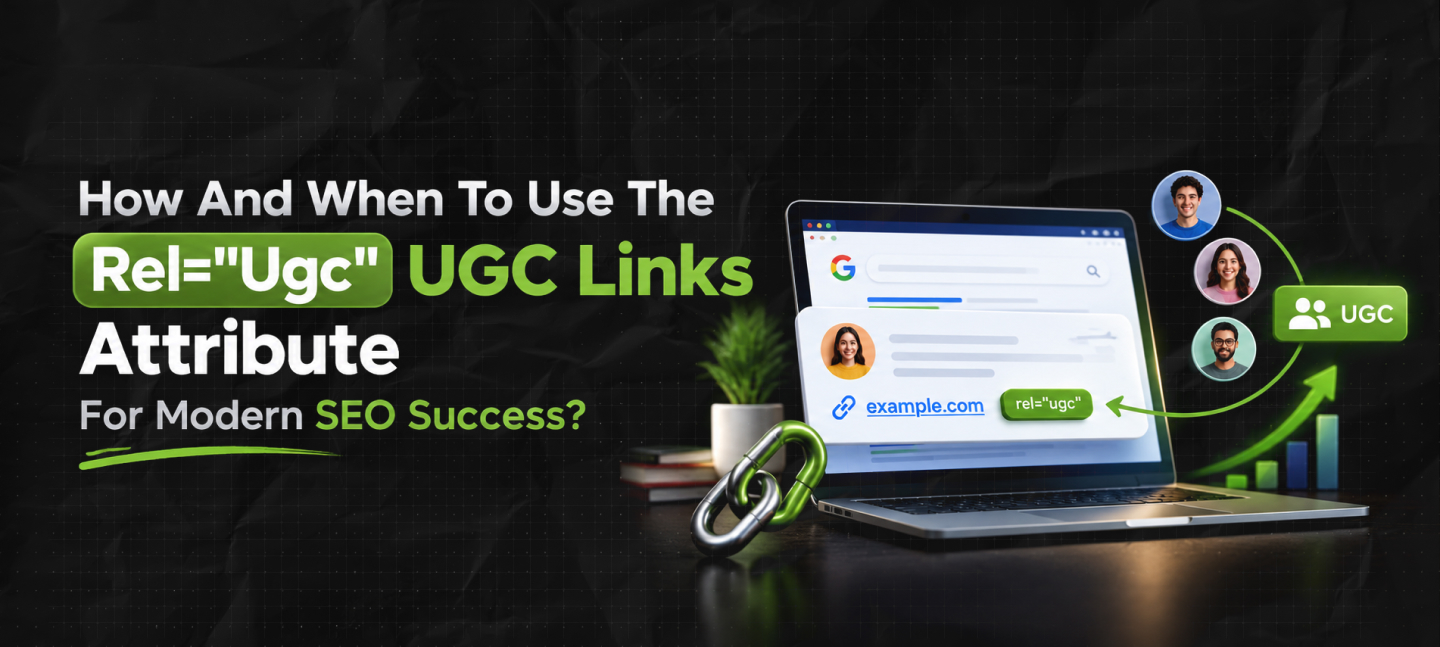
How And When To Use The Rel=”Ugc” UGC Links Attribute For Modern SEO Success?
Oct 29, 2026

If you’ve managed a blog or built an online community, you already know how fast a comment section can spiral out of control.
One day you get thoughtful feedback from real readers. The next, you are drowning in automated pitches for sketchy software, diet pills, and shady essay-writing services.
For years, site owners used a single weapon to fight back: the rel=”nofollow” attribute.
Introduced way back in 2005, it told search engine crawlers, “I don’t trust this link, so don’t count it.”
But the internet evolved, and a one-size-fits-all tag stopped making sense.
That is why Google introduced ugc links as a specific attribute subset back in September 2019.
This micro-update fundamentally changed how search engines read human interactions across the web.
To keep your site clean while protecting your rankings, you need to understand how to handle these tags properly.
| Link Attribute | Ideal Use Case | Google’s Treatment | Impact on Rankings |
| rel=”ugc” | Comments, forums, user posts | Used as a ranking hint | Weak to moderate authority signals |
| rel=”nofollow” | Untrusted content, paid fallbacks | Used as a ranking hint | Generally passes no ranking weight |
| rel=”sponsored” | Paid ads, affiliate links | Used as a ranking hint | Zero direct organic equity passed |
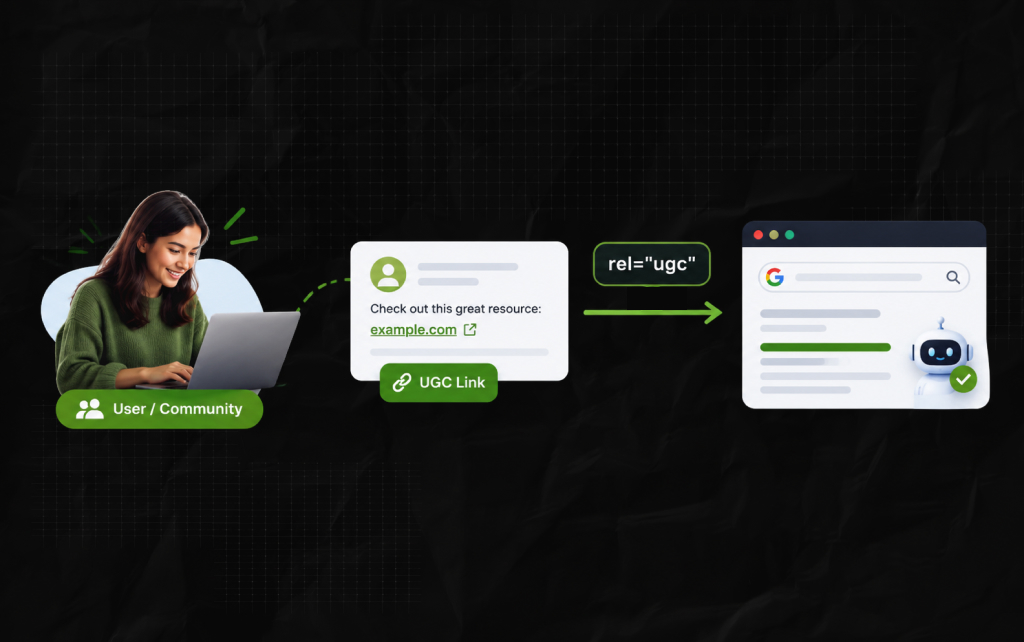
UGC is short for User Generated Content. UGC Links are simply links that are generated by your visitors/users/community.
When you apply the rel=”ugc” attribute to a link, you’re telling your search crawlers that this link was added by the user.
If you don’t apply the attribute, then the search engines will assume the link was manually added by your editorial team. This can cause issues if the link goes to a low-quality site.
This is all down to machine learning and how the search landscape has evolved.
Over the last decade, rel=”nofollow” was very strict. If a search engine saw a link with the attribute, it would completely disregard the link from the link graph.
This caused major issues. Many large communities (Reddit, Quora, Wikipedia, etc.) added the attribute to all their outbound links to protect themselves.
This meant valuable user recommendation links were lost.
Google changed this and now treats the attributes as hints. Search engines will now use UGC links alongside other signals to determine whether they should pass link authority.
The algorithm will consider the context, user history, and destination site to provide a more accurate view.
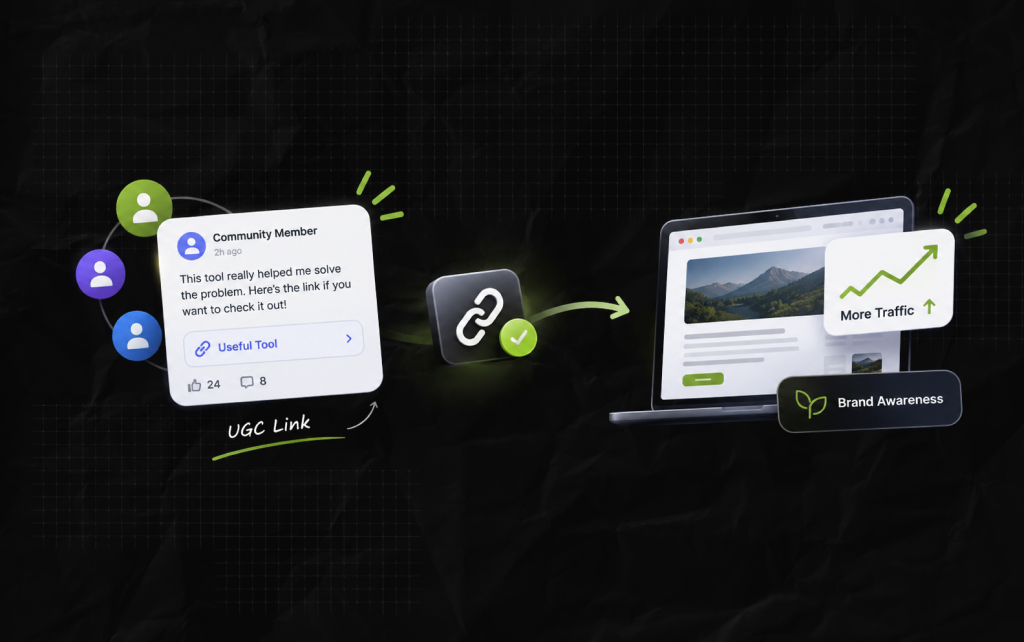
If you’re running a digital pr campaign to build your links, you should always consider using your communities. However, you should manage expectations.
Trying to write comments on random blogs to include a backlink to your homepage will not make you any progress.
If you’re using a modern strategy, you’ll need a variety of tactics.
While guest posting or running a broken link building campaign can provide high-value editorial links, UGC links can boost your traffic and brand awareness.
If you’re using the web and see a good solution to an issue on a forum with a link to a useful tool, you will click through.
Even if the link doesn’t pass much link equity, it can provide you with direct traffic and therefore potential customers.
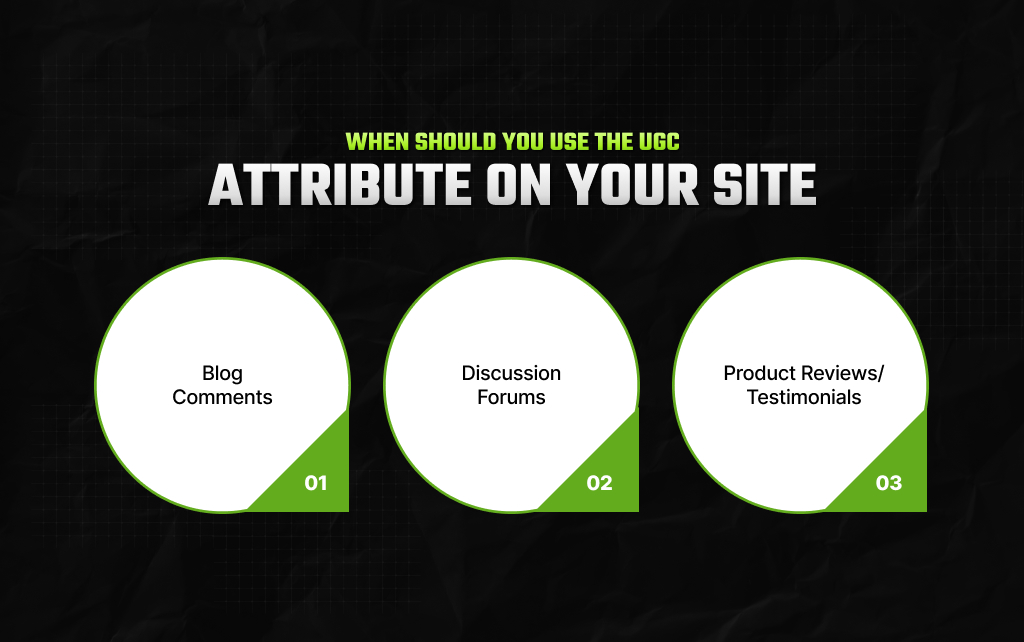
You don’t need to manually add the attribute. Instead, you can set up your backend to apply it automatically.
Firstly, if you allow users to comment and include their website URL, then you must apply this attribute.
WordPress has had native support for this since version 5.3. This means all links in the comment section will automatically include the UGC attribute.
Secondly, if you run a discussion forum using services like vBulletin, XenForo, or Discourse, then users will regularly share resources.
Adding the attribute will help prevent your platform from being used for black-hat link building.
Thirdly, if customers are leaving reviews, they may also mention a complementary tool/accessory.
Adding the attribute to these links will ensure your e-commerce site is fully compliant.
Managing a site where users can contribute can be tricky. Below are the pros and cons.
| Pros | Cons |
| Faster growth of content. Your community will create content that can be indexed. This can increase your long-tail keywords. | Crawl budget waste. If bots spam your forum with thousands of pages, search crawlers will waste time crawling content that isn’t useful. |
| Trust signals. An active comment section will show search crawlers your site has a loyal audience. | Bad neighbourhood. Linking to bad sites can cause your site to drop in search results. |
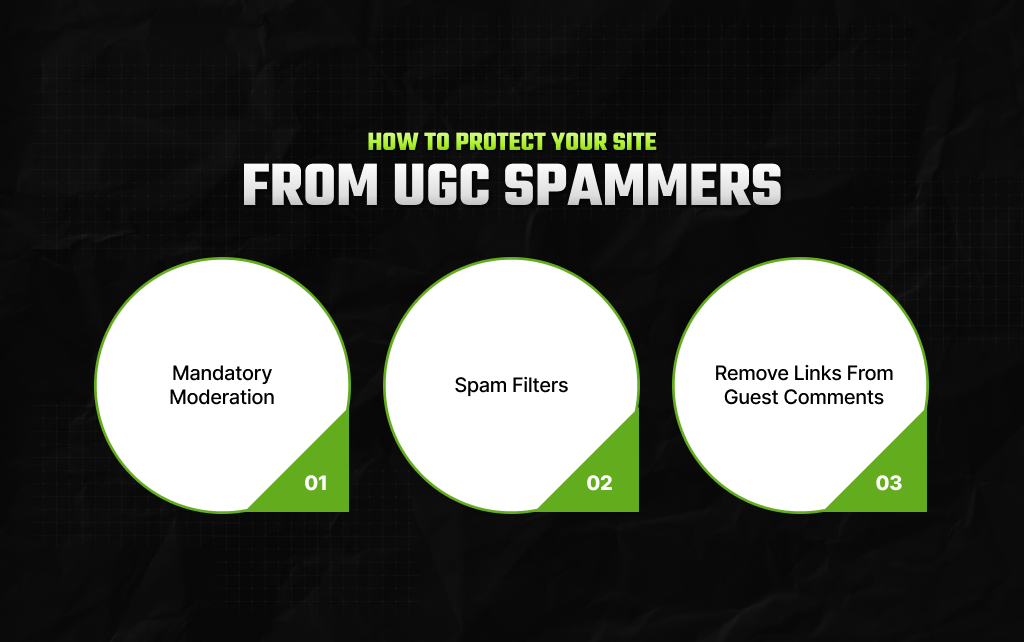
Allowing users to contribute without protection is an operational mistake. Below are the steps I take to protect my clients’ sites.
Never allow users to comment instantly. Set up your content management system to require manual moderation for new commenters.
Use spam filters like Akismet or CleanTalk to analyze any submissions.
These will analyze against a global list of known spam IP addresses and block them before they enter your database.
If you don’t require users to include links in their comments, remove the link tag from your comment section.
Moreover, this will mean users will have to write the name of your brand but will not create any UGC links.
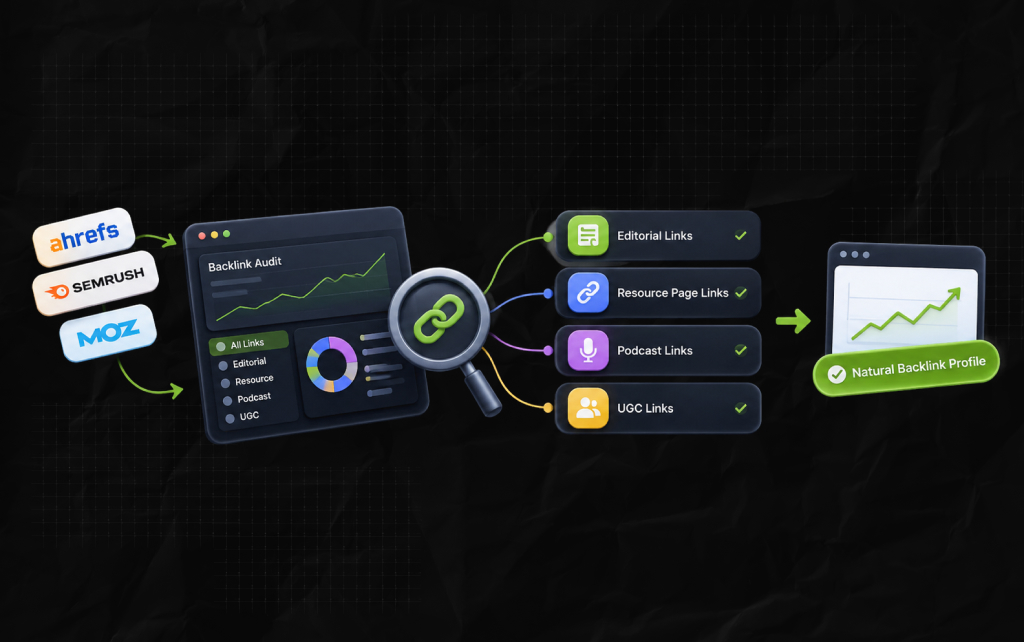
As your site grows, run a competitor backlink audit and analyze your own backlink profile.
So you will need tools like Ahrefs, Semrush, or Moz. This will allow you to easily filter backlinks by type.
Don’t worry if your dashboard shows a large increase in user-generated backlinks.
This shows you have a natural backlink profile. If you only have clean editorial backlinks, then this will look unnatural.
Moreover, a mixture of editorial links, resource page link building, podcast link building as well as UGC links shows people are talking about your brand.
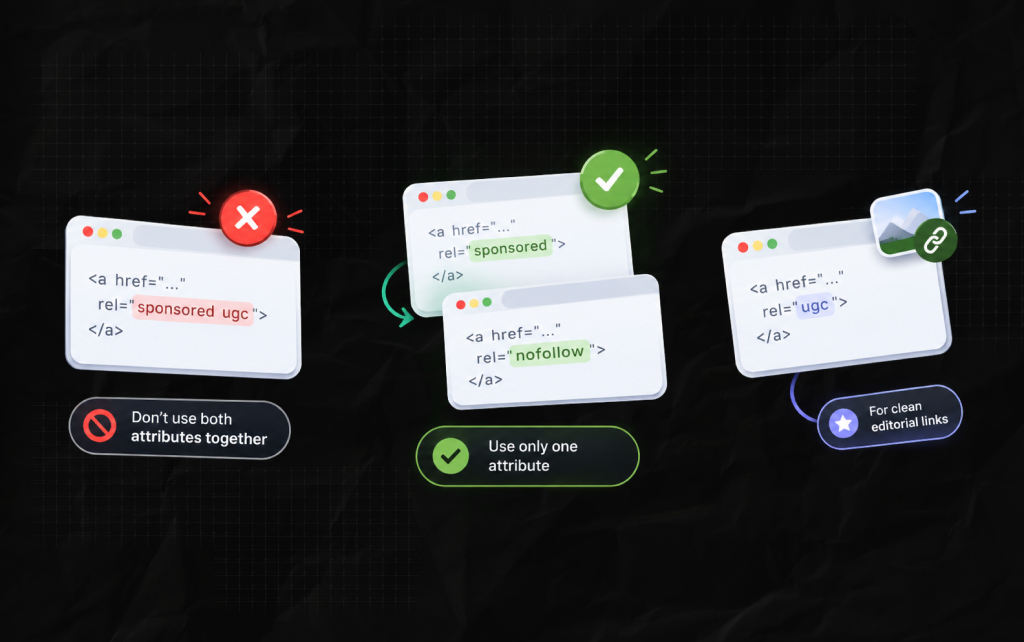
People often incorrectly apply the rel=”sponsored” and rel=”ugc” attributes when migrating sites.
Never use both attributes together. If you are paying an influencer to write a post and they include links, these must be rel=”sponsored” or rel=”nofollow”.
So, if you are adding a paid advertisement and marking it as UGC, that goes against Google’s policies because it was paid for.
If you are doing HARO link building or creating high-value image link-building assets, you want clean editorial links.
Moreover, if you’re quoted by a major news site and they have mistakenly marked your backlink as UGC, politely contact their editorial team to see if they can change this.
So, many large media outlets have policies in place that can’t be changed.
There’s no need to guess what to do with your search updates. Always consider the intention behind the link.
If a human found value in the link and shared it with their peers, then it should be on the web.
By setting up your platform correctly to handle UGC links, you can protect your hard-earned SEO rankings while letting your community thrive.
Moreover, you need to ensure you set up your filters, monitor your backlink profile, and focus on creating content people want to share.
Additional Resource: How To Do Google Advanced Search? Improve Your Research And Analyze Better With Google’s Advanced Search
Ankita Tripathy loves to write about food and the Hallyu Wave in particular. During her free time, she enjoys looking at the sky or reading books while sipping a cup of hot coffee. Her favourite niches are food, music, lifestyle, travel, and Korean Pop music and drama.
View all Posts

Smart Backlinks Management: Audits, Scale, An...
Oct 29, 2026
Image Link Building: A Simple Guide To Earnin...
Oct 27, 2026
Podcast Link Building: Get High-Authority Bac...
Oct 27, 2026
The Ultimate Guide To Competitor Backlink Ana...
Oct 23, 2026
How To Land High-Authority Editorial Backlink...
Oct 23, 2026