The Ultimate Guide To Competitor Backlink Analysis: An Actionable SEO Blueprint To Steal Your Rivals’ Traffic
Oct 23, 2026


Imagine spending weeks drafting flawless content, configuring layout margins, and picking the perfect typography. Your new site looks stunning. Yet, days after launching, your analytical dashboard displays a flat, depressing zero.
No visitors arrive. No bots seem to care. You check your settings, verify your links, and wonder why the grand gatekeepers of the internet are ignoring your hard work.
The truth is painful but simple. Search engines do not rank words based on how poetic they sound, nor do they care about aesthetic layouts. Algorithms analyze structural relationships and technical code. They seek signals of intentional organization.
When you build a site, you are not just writing for human eyes; you are building a digital library for machine crawlers. If those crawlers find an unorganized stack of documents, they leave.
To win their trust, you must understand exactly how these systems evaluate your digital infrastructure. That’s where the best blogging apps come in.
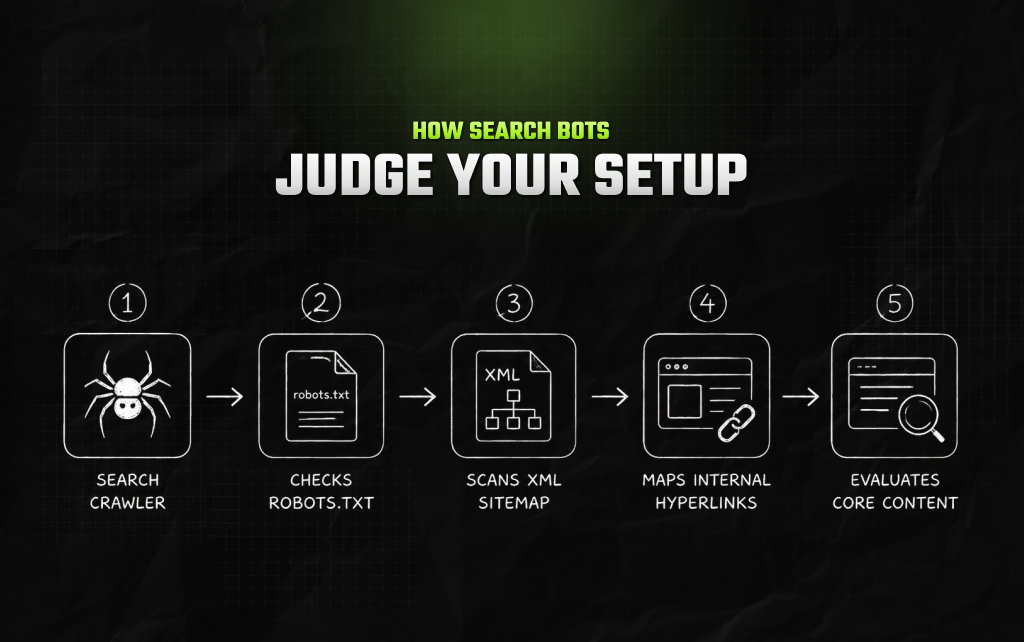
When an automated web crawler lands on your domain, it does not read your articles like a human reader enjoying a morning newspaper. It executes a rapid, highly calculated technical audit. It looks at code paths, file configurations, and internal link structures.
[Search Crawler] —> Checks Robots.txt —> Scans XML Sitemap —> Maps Internal Hyperlinks —> Evaluates Core Content
Many new creators treat their websites like standard text documents. They write great pieces but fail to realize that the machine requires a map to navigate the text.
If your site lacks a clear, logical architecture, the crawler runs out of its allocated processing time, often called a crawl budget, and abandons your pages before indexing them.
The system treats structural confusion as a major risk factor. If the machine cannot easily figure out how your pages connect, it assumes your site lacks authority.
It will protect its users by pushing your content to the bottom of the index, prioritizing highly structured competitors instead.
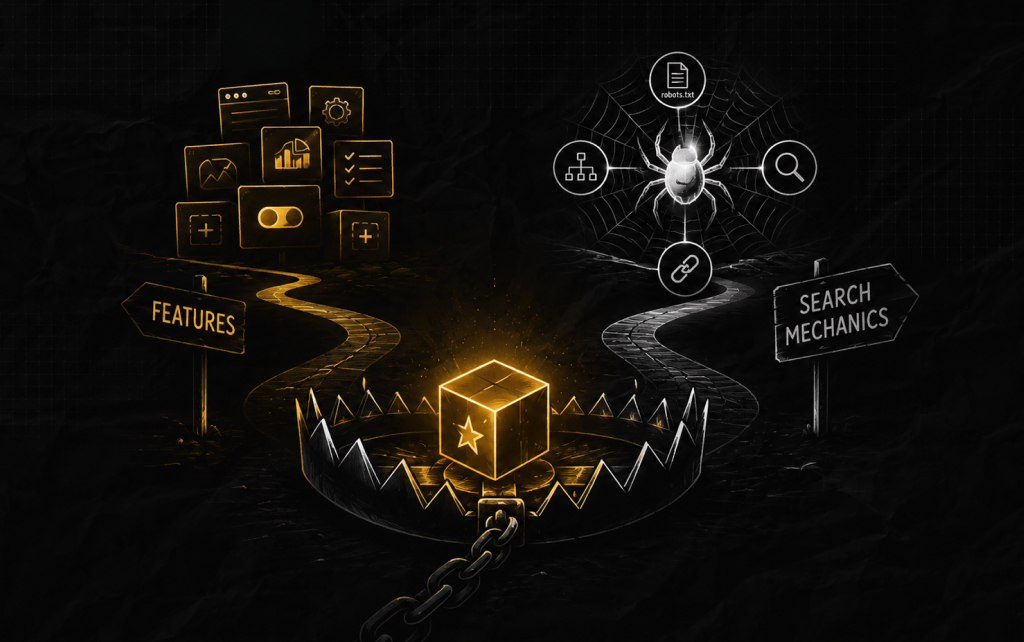
When picking the best blogging apps, it is incredibly easy to fall into the trap of choosing an application based entirely on visual templates or flashy dashboards.
Creators often pick tools that offer smooth visual editing but produce sloppy, bloated underlying code that search engines struggle to read.
| App Type | Common Visual Benefit | Hidden Technical Friction Point |
|---|---|---|
| Visual Builders | Drag-and-drop design ease | Massive code bloat that slows down script loading times. |
| Closed Platforms | Zero configuration needed | Zero control over custom sitemaps or technical metadata. |
| Open-Source Systems | Complete functional control | Requires manual optimization and precise configuration. |
If your software packages your text inside heavy, unoptimized scripts, the search bot has to work twice as hard to parse your words.
The machine values speed, clean HTML rendering, and structured data over flashy design. Choosing the best blogging apps that prioritize clean code over visual gimmicks is the first step toward getting noticed.
For creators who want to complete authority over how search engines index their content, self-hosted WordPress remains the definitive choice. It operates as an open canvas, allowing you to fine-tune every technical signal your site sends to the web.
[Clean HTML Output] + [Custom Schema Markup] + [Dynamic XML Sitemaps] = High Crawler Efficiency
The true power of this setup lies in its infinite expansiveness. You can integrate advanced metadata tools, build custom taxonomies, and manage your canonical tags with absolute precision. This ensures that search engines never get confused by duplicate pages or messy tracking links.
However, this freedom requires discipline. Because you control the infrastructure, you are also responsible for managing server response times, cleaning up database clutter, and optimizing image files. If your server is slow, the search engine will penalize your rankings, regardless of how great your writing is.
Is your goal simple? Do you want to get readers and slowly turn them into subscribers, without dealing with servers, updates, or any of that backend mess? In this case, Ghost usually feels like a relief.
It’s stripped down in a good way. You don’t feel like you’re fighting the system. To clarify, it just lets you publish and move on.
A big reason for that is how little is going on behind the scenes. Compared to most drag-and-drop builders, there isn’t a pile of extra code slowing things down.
Pages load fast almost by default, without you having to tweak ten different settings. And the usual SEO stuff? It’s already there.
You don’t have to go hunting for plugins just to get basic things working:
So instead of constantly “fixing” your site, you spend most of your time actually writing—which, honestly, is the whole point.
For hobbyists or absolute beginners who want zero technical maintenance, platforms like Blogger offer an incredibly simple entry point. Run directly on Google’s infrastructure, it provides basic stability without setup fees.
The main advantage here is reliability. Your site will rarely crash, and server response times remain steady because it uses massive enterprise hosting. It also allows you to link a custom domain at no extra charge, which is a rare feature for a free tool.
The downside is strict structural limitations. The system has not seen a major update in years, and its design templates are severely outdated. You cannot modify the underlying site architecture, meaning you are stuck with whatever basic index configurations the system dictates.
Website builders like Wix and Squarespace cater heavily to small businesses that need a polished visual presentation above all else. They turn the website creation process into an intuitive, visual design experience.
The trade-off involves speed and deep customizability. The heavy visual scripts required to run these builders can slow down page load speeds on mobile devices. For competitive search terms, that slight delay can prevent your page from reaching the top spots.
Publishing networks like Medium and Substack alter the traditional rules of discovery by letting you host your writing inside an already authoritative domain. You are not building a separate website; you are renting space inside a massive content engine.
The immediate benefit is domain authority. Because these networks already possess millions of trusted links, your individual articles can index and rank for competitive terms much faster than they would on a brand-new dot-com domain. You also get immediate access to their internal recommendation systems.
The critical flaw is a total lack of long-term ownership. You cannot build a custom technical architecture, control the tracking scripts, or be entirely dependent on their platform rules. If the network alters its algorithm, your visibility can vanish overnight.
To help you find the right balance between design freedom and search engine efficiency, let’s map out the structural characteristics of the best blogging apps available today:
| Platform Option | Code Cleanliness Rating | Technical SEO Access | Best Operational Use Case |
|---|---|---|---|
| Self-Hosted WordPress | Moderate (Depends on plugins) | Complete, unrestricted access | Serious publishers aiming for long-term growth. |
| Ghost CMS | Exceptionally High | Advanced, built-in controls | Newsletter creators and independent journalists. |
| Wix / Squarespace | Moderate to Low | Basic, user-friendly fields | Local businesses and visual portfolios. |
| Medium / Substack | High (But locked down) | No access to site architecture | Writers prioritizing immediate audience reach. |
Picking from the best blogging apps isn’t really about stacking features or chasing whatever looks the most powerful on paper. It comes down to how much control you actually want, and how much of the technical side you’re willing to own.
If you just want something that looks good and works out of the box, there’s nothing wrong with sticking to hosted builders. They’re easier, and for a lot of people, that’s more than enough.
But if you’re trying to build something that lasts, something that actually grows over time in search, you start caring about things most platforms hide. How clean the code is. How your pages connect. How easy it is for a search engine to understand what you’ve built.
That’s where the difference shows up.
At some point, it stops being about publishing posts and starts being about building a system. One where your content connects, builds on itself, and becomes easier to find over time.
Do that well, and your site stops feeling like a collection of random posts. It starts to behave more like a proper resource that people and search engines can rely on.
Barsha is a seasoned digital marketing writer with a focus on SEO, content marketing, and conversion-driven copy. With 8+ years of experience in crafting high-performing content for startups, agencies, and established brands, Barsha brings strategic insight and storytelling together to drive online growth. When not writing, Barsha spends time obsessing over conspiracy theories, the latest Google algorithm changes, and content trends.
View all Posts

The Ultimate Guide To Competitor Backlink Ana...
Oct 23, 2026
How To Land High-Authority Editorial Backlink...
Oct 23, 2026
Why Your Website Traffic Dropped Suddenly And...
Oct 23, 2026
How Do The Physical Google Review Tools Redef...
Oct 23, 2026
How To Get Your Brand Cited In AI Search Resu...
Oct 22, 2026