SEO Dashboard: What To Track, What To Ignore, And How To Make It Useful
Sep 25, 2026
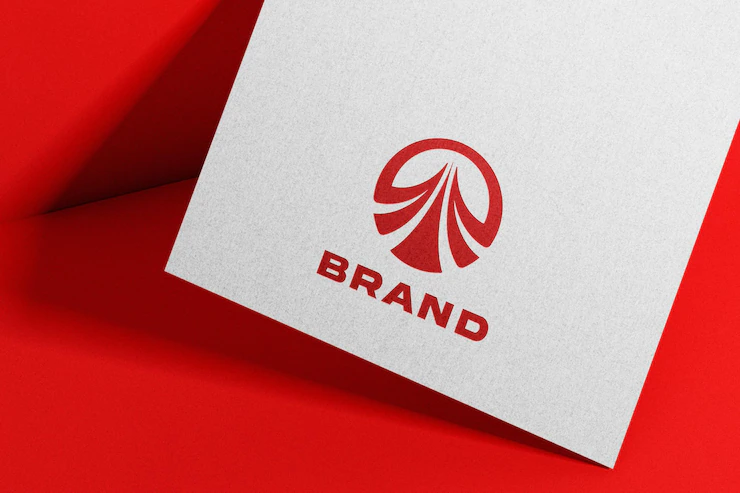

Studies show that 75% of consumers recognize a brand by its logo. When a company has a good logo, customers associate it with a positive brand experience. The logo is a core part of a company, so it’s important to ensure it’s as good as it can be.
A good logo can make a difference to the success of your business. This is essential for a company’s branding. It communicates the values, mission, and personality of your brand.
So, designing just a logo will not get the marketing work done. For that, you need guidance, design help, and basic knowledge of logo branding.
Moreover, knowing how to use the diverse variations of brand logos can help in promoting brand awareness across omni-channels. Making modern marketing easier and simpler.
So, if you are also wondering how logo branding helps with modern marketing, I have got the perfect guide for you.
In this blog, I am going to explore the diverse aspects of logo branding by discussing—
So, keep reading to know more!
There’s no question that a strong logo is one of the most important elements of any business. In today’s marketplace, your logo is often a chance you have to make a lasting impression on customers. This is why it’s so important to make sure your logo is not only appealing but also reflects your brand’s values.
When done right, a logo can communicate everything about your business in an instant. This is why logo branding is such a powerful marketing tool. In a world where first impressions are everything, your logo is often the deciding factor.
If you want to give your business the best chance to succeed, make sure you invest in a great logo.
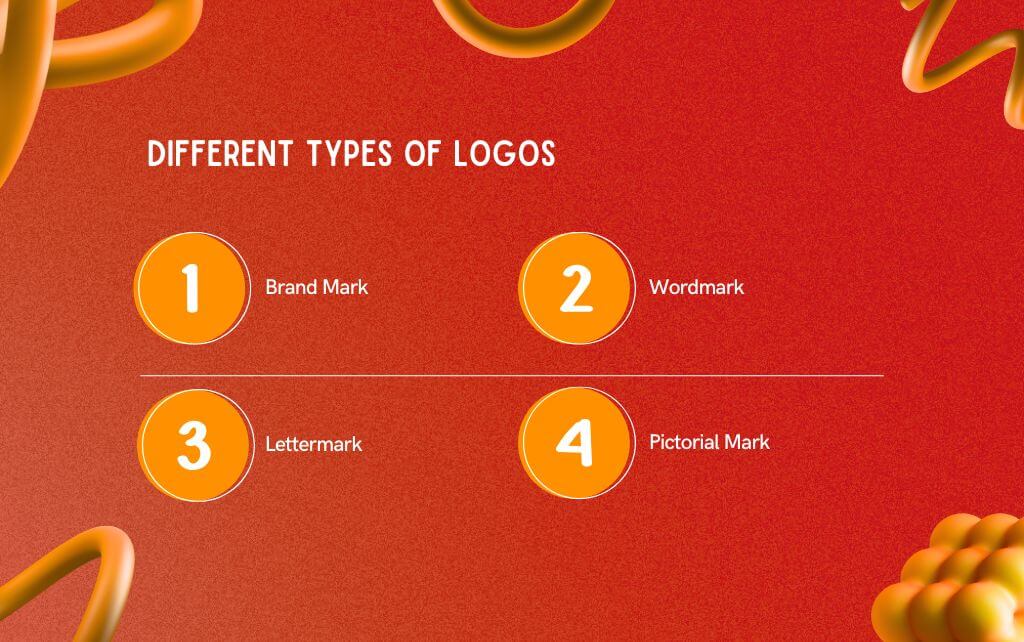
Different types of logos can have different meanings and purposes. A great logo should be simple, memorable, and appropriate for the brand. It should communicate the message of the brand to the potential target audience.
Each has its own strength and weaknesses. Knowing which type of logo to use for your company is essential to brand awareness.
A great logo speaks for itself. And it’s what people remember long after they’ve forgotten the name. Here are 4 of the most known types:
This is the most basic type of logo. It’s a symbol or icon that represents a company. Because it’s so simple, a brand mark needs to be well-designed to be effective.
This logo uses the company’s name as the primary element. A wordmark can be a great choice for a new business that wants to build name recognition.
This uses initials or a company’s initials to create a unique symbol. Letter marks are often used by companies with long names or hard-to-pronounce names.
They are graphic icons, symbols, or images that reflect the brand’s identity. These types of logos represent an object from the real world.
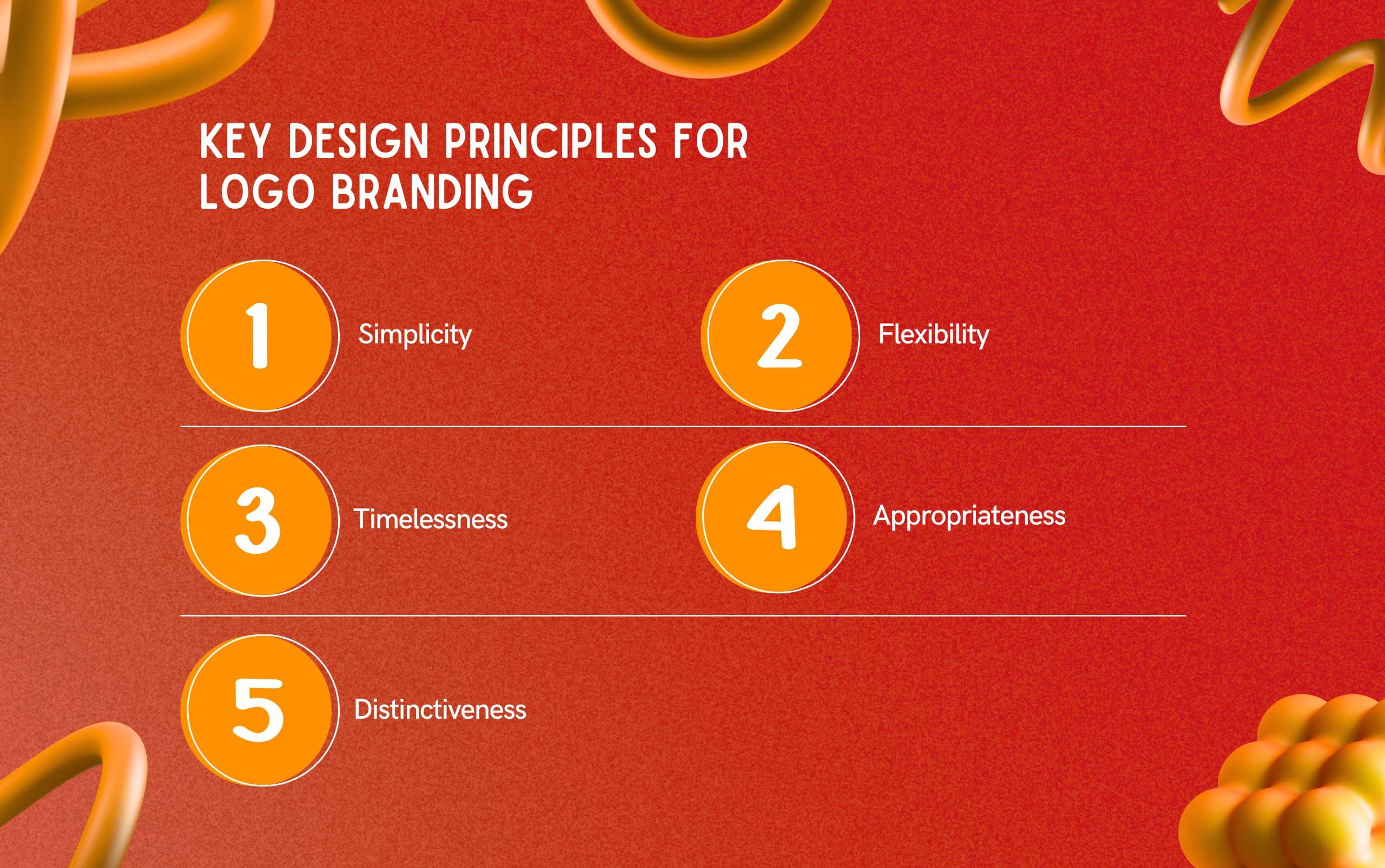
There’s no doubt that a great logo can be a powerful and essential tool for any business or organization. But what exactly makes a great logo? Here are a few key elements:
A great logo should be easy to understand and remember. It should be recognizable even when it’s seen out of context.
A great logo should be able to work across a variety of mediums and applications. It should look as good on a business card as it does on a billboard.
A great logo should have staying power. It shouldn’t be trendy or dated but rather timeless and classic.
A great logo should be appropriate for the business or organization it represents. It should convey the right message and tone.
A great logo should be distinctive and recognizable. It should be able to stand out from the competition.
Beyond digital and print applications, think about how your logo will translate to physical items like uniforms, caps and tote bags — especially when using stitched details. Embroidery can preserve fine details and deliver a durable, professional finish, but it often requires adjustments such as simplified stitch paths, appropriate sizing and thread choice.
Many businesses work with specialists who advise on placement, color matching and fabric compatibility; for practical, logo-focused production options take a look into Custom Embroidery services. Addressing these production considerations early helps keep your logo consistent and recognizable across merchandise.
Even though the logo design principles seem pointless, they are important for proper logo branding. Moreover, following these principles helps in adhering to the basic effectiveness of the logos. That is, creating a visual representation of the brand.
For instance, a simple logo helps users to remember the symbol and directly associate it with the brand’s image. So, it is easier to spread brand awareness and enhance the discoverability of the brand in the competitive market.
In addition to this, the versatile design helps in consistently adapting to the growth of the company. So, as the business expands, the logo can improve instead of completely changing.
Moreover, a legible logo with a unique design stands out more than a highly designed logo. That is, simplicity wins over chaotic designs, confusing users.
Finally, having a timeless design helps build trust with customers with a note of legacy. So, choosing a design with 15 to 20 years ahead in mind is better.
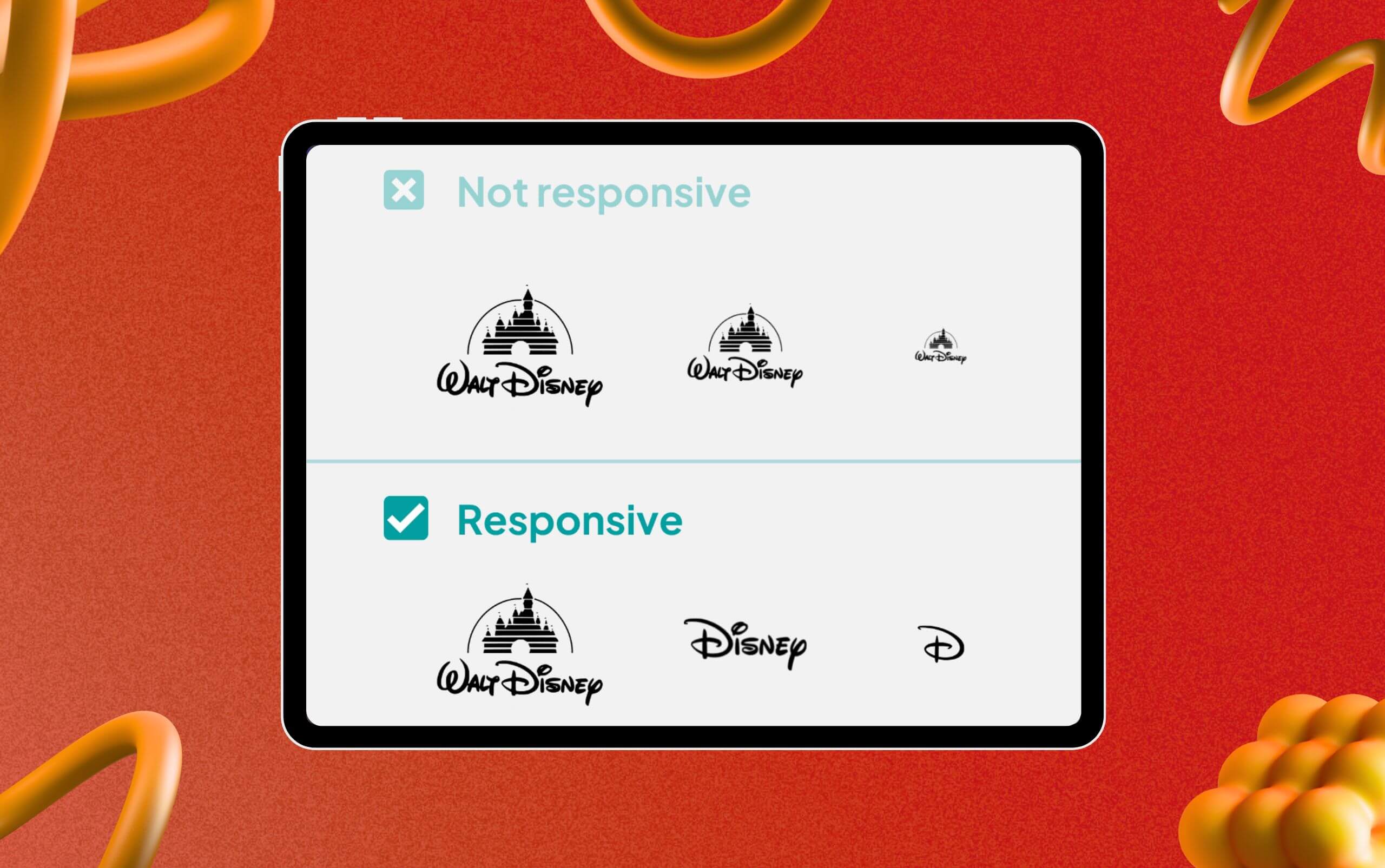
Since different devices come with diverse screen spacing, a single logo design is not suitable for multi-channel marketing. So, using diverse variations of the logo is vital.
For instance, mobile screens are small and rectangular. So, keeping a huge logo can disrupt the user’s experience. And, this can immensely affect their attitude towards the brand.
Contrarily, the TV screen is usually huge, and viewers expect to see things in a bigger space. Now, if your logo is tiny, then the audience won’t really like the design. This, too, affects their attitude towards the brand.
So, it is important to design different variations of the logo to fit different devices. Moreover, this will improve the overall responsiveness of your audiences towards the brand.
Having the right logo requires skills, good designs, brand alignments, and some considerations. For instance, your brand logo should not be offensive to any community or culture.
That is, while designing the logo, a few considerations should be made. Some of these include—
So, by keeping these few considerations in place, designing a brand logo becomes a piece of cake.
A logo can communicate who you are, what you do, and what you stand for with a glance. But how do you create a great logo, and how do you use it once you have one?
Once you have created a logo that you are happy with, there are a few ways to use it to its full potential. Make sure it is being used across all your marketing material.
A great logo branding is the foundation of a strong brand identity. It is the first thing customers see. It should represent your company’s values and personality.
A logo is not a pretty image; it is a powerful marketing tool that can make a big impact on your bottom line. As the world becomes more and more digital, it is important to have a strong online presence. It should be easy to read and recognize, even when scaled down or placed on a busy background.
Your logo is an important part of your company’s identity. It deserves time and attention.
Chandrima is a seasoned digital marketing professional who works with multiple brands and agencies to create compelling web content for boosting digital presence. With 3 years of experience in SEO, content marketing, and ROI-driven content, she brings effective strategies to life. Outside blogging, you can find her scrolling Instagram, obsessing over Google's algorithm changes, and keeping up with current content trends.
View all Posts

SEO Dashboard: What To Track, What To Ignore,...
Sep 25, 2026
Analytics SEO: How To Turn Search Data Into B...
Sep 25, 2026
AI Search Tools: What They Actually Measure A...
Sep 25, 2026
FAQ Schema: When It Still Makes Sense And Whe...
Sep 25, 2026
The Keyword With 10 Searches That Sent Ahrefs...
Sep 24, 2026