
The Traffic-to-Revenue Gap: Why More Website Visitors Don’t Always Create More Customers
Sep 17, 2026

It is no news that the marketing world is a dynamic one. One day, Google ranking is trending, and the next minute, social media influencing gains traction.
But all these new marketing approaches and strategies only work when the foundation is right. That is, with a rock-solid marketing core, professionals and brands can traverse the dynamic landscape easily.
As the report from HubSpot indicates—
“According to HubSpot’s 2025 State of Marketing Report, 87% of marketers using HubSpot said their strategies were effective in 2024, proof that strong fundamentals, backed by connected tools, drive measurable success.”
Now, the question is— “How to build an effective marketing strategy in 2025?” Well, no need to worry, I have got you covered.
Here, in this article, I have brought you the complete marketing fundamentals, delving into—
Stay tuned!
To explain in simple terms, marketing fundamentals refer to the core principles that bring together the target consumers with the products they use.
That is, they help businesses to find the right audience for their products and services.
Moreover, the main objective of the marketing fundamentals is to drive growth. So, it addresses the various nuances of the dynamic landscape of marketing, with—
That is, allowing businesses to create a strong marketing system to attract customers and engage them with repeated campaigns.
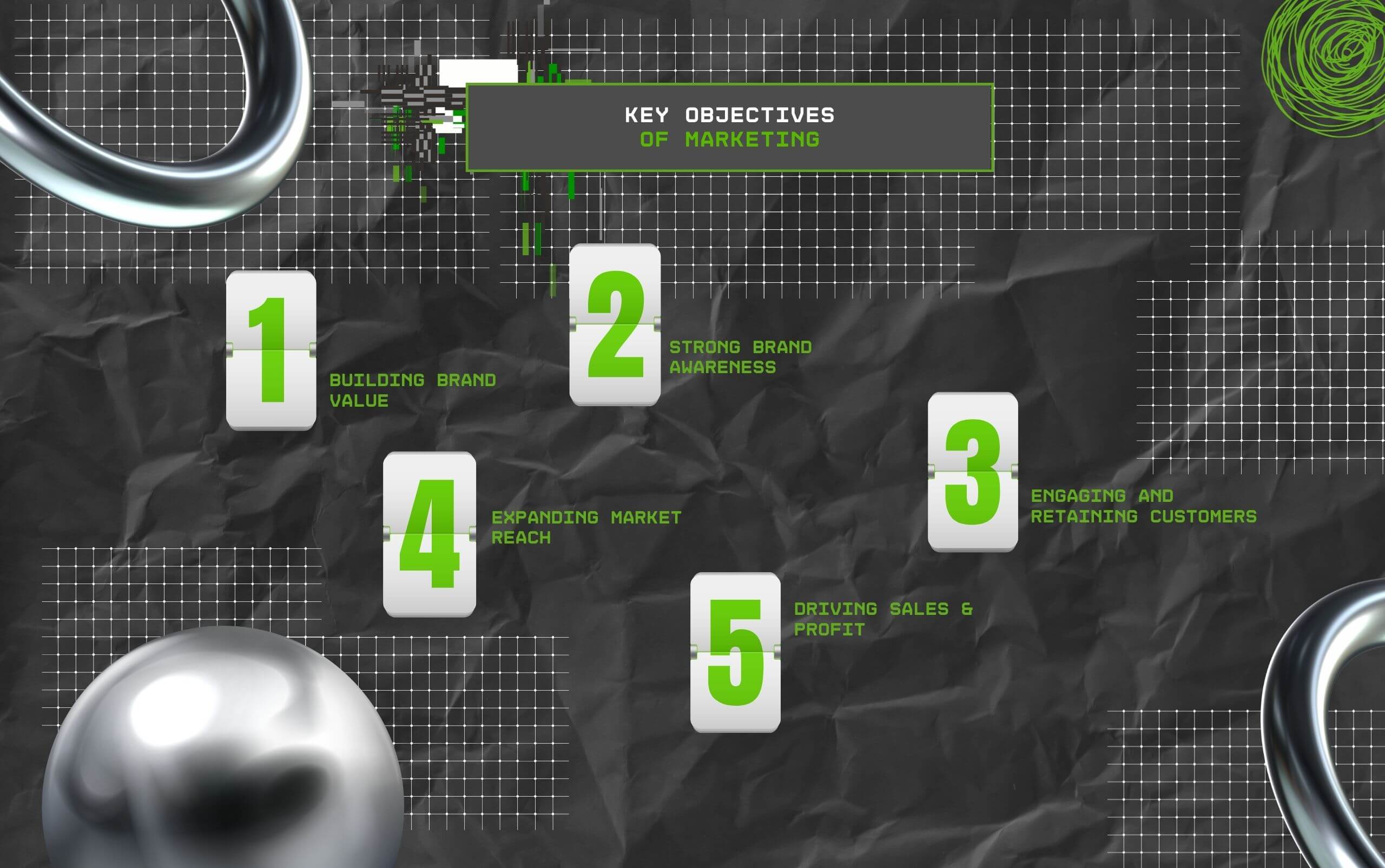
Some of the key objectives of marketing include—
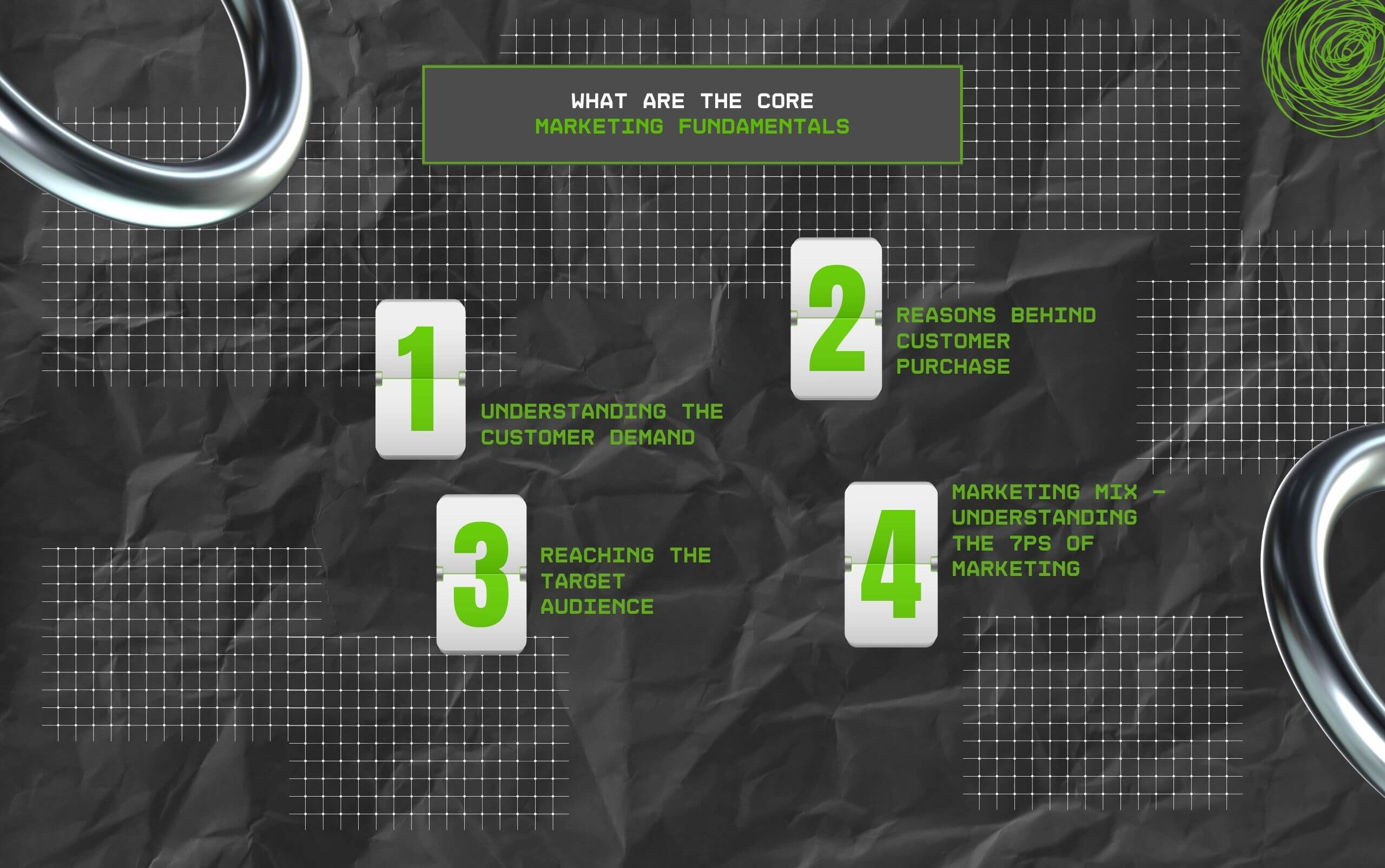
Since marketing fundamentals work as the backbone for a successful strategy, it is vital to understand its core elements. So, here are some of these core elements—
Firstly, businesses need to understand the customer demand. That is, they need to delve into what the consumers need and want to develop a strategy around addressing this demand.
Moreover, having a clear concept of why customers are purchasing the brand’s products or services can help attract more consumers.
That is, whether it is for brand value or product satisfaction, businesses need to identify the key metrics that drive customers to make the purchase.
In addition to this, businesses should be clear about how to reach their target audience. That is, they can check the audience segmentation and brand positioning to connect them for maximum reach.
Now, in the theory of marketing fundamentals, it employs a 7Ps framework, where each ‘P’ refers to a specific important component.
As the dynamic landscape of marketing continuously changes, the approaches also alter. That is, traditional approaches are not at all similar to the modern approaches.
So, here are the key differences between them.
| Traditional Marketing Approach | Modern Marketing Approach |
|---|---|
| 1. It mainly focuses on the growth and expansion of offline business models. | 1. It mainly prioritizes the online presence of businesses and brands. |
| 2. Allows marketers to use traditional channels — TV, print media, Radio, and Billboards. | 2. Marketers can use all kinds of digital media platforms — social media, emails, SEO, and web content. |
| 3. Offers a one-way communication from the brand to the customers. | 3. Offers a two-way communication with interactive and personalized channels of social media. |
| 4. It focuses on products more than the customers and drives maximum profit. | 4. It focuses on customer sentiments and needs to build long-term loyalty and engagement. |
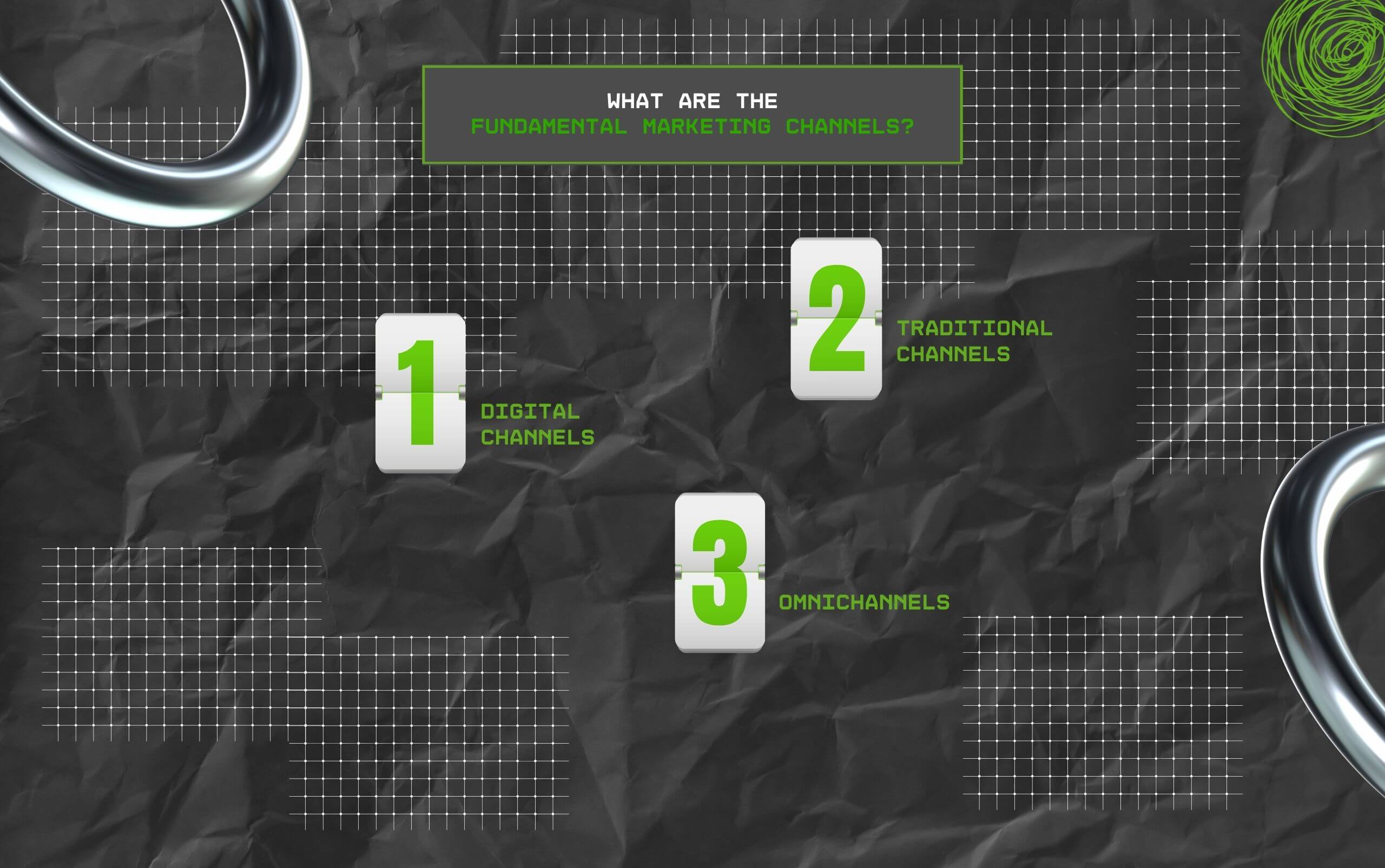
Remember, marketing strategies cannot perform without a potential channel. So, both traditional and modern marketing approaches employ diverse channels, some of which are—
Modern digital marketing approaches usually incorporate most of the digital channels.
That is, from social media platforms, email marketing, and influencer marketing to SEO, content marketing, and PPC, they employ these to expand brand awareness.
On the other hand, traditional marketing approaches use offline tools and marketing channels for promoting the products and services.
That is, they employ physical prints, billboards, radio and TV ads, outdoor campaigns, and events for product promotions.
But in modern marketing, both the traditional and digital channels are incorporated for maximum promotion and engagement.
That is, to help brands create omnipresence, the marketers are using print, broadcasts, and digital media platforms to attract the audience and promote products.
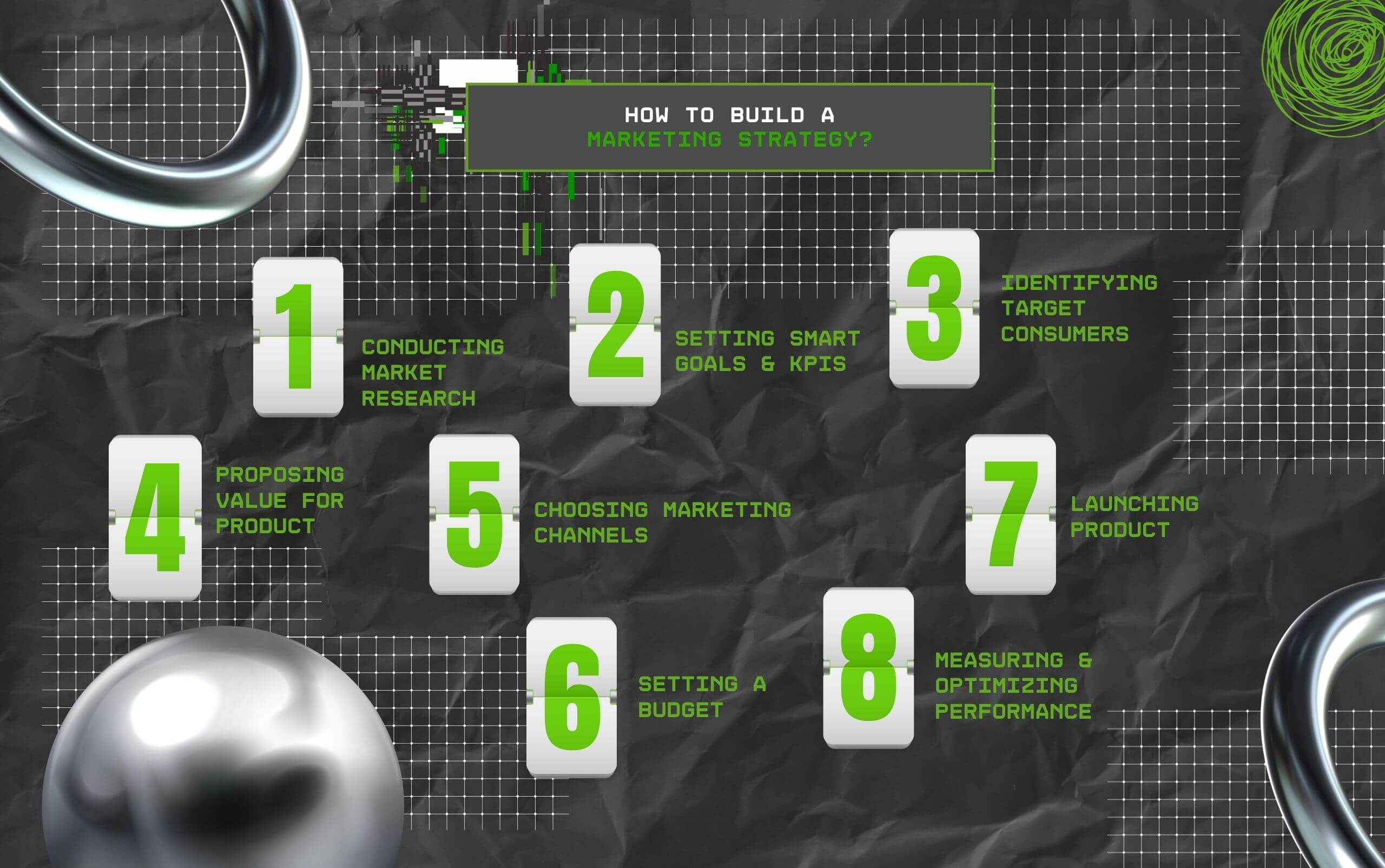
Now, only knowing about the marketing fundamentals is not enough. Rather, knowing how to build a marketing strategy based on these foundational elements is the key.
So, here are the steps to build an effective strategy—
Firstly, you need to conduct market research to understand the customer needs and behavior, competitors, and market trends.
That is, having a proper idea about the market conditions can help in better setting the goals and budget for marketing.
Then, you need to set SMART goals — Specific, Measurable, Achievable, Relevant, and Time-bound. So, the objectives directly align with the business goals.
After that, you need to identify the target consumer segment to ensure your product finds the right audience.
So, based on the demographics, psychographics, and consumer lifestyle, you can develop the detailed persona of the ideal buyer.
Then, you need to make your product stand out amidst the competitor products. That is, you need to highlight the unique qualities and how they are valuable to the customers.
Moreover, the right marketing channel can bring you the target audience in a jiffy.
So, identify which marketing channel can attract the most of the target consumers and use it for promoting products.
Also, setting a budget is vital for planning the marketing activities. So, ensure you have a properly set budget for executing the marketing strategy.
Finally, you can launch the product and implement the planned marketing activities. So, from campaigns to events, run everything on the specific marketing channels.
Now, once the product or campaign is launched, the performance should be optimized and measured.
So, use the various marketing measuring tools to measure the KPI metrics and modify the strategies based on the performance.
One of the major challenges of employing a marketing strategy is making common mistakes. So, here is how to avoid them in marketing—
Now, marketing fundamentals are essential to provide a strong foundation for running any marketing strategies.
So, know them and use them to boost the marketing performance of your brand without breaking a sweat in the dynamic marketing world.
Here, I have brought you some common questions that most marketing enthusiasts look for on the internet.
Since not all marketing strategies work the same way, the tenure of their processing massively varies. But, generally, most marketing strategies show results after a few weeks or months. Moreover, digital marketing strategies usually take around 3 to 6 months to show results properly.
No, absolutely not. Anyone can employ a good marketing strategy without needing a high-end infrastructure or a large budget. That is, with effective goals, free methods, and efficient tools, marketing professionals can incorporate a strategy without investing a lump sum fund.
Yes, absolutely. Since the marketing fundamentals are simple principles for promoting and growing businesses, they can benefit both digital and offline businesses. Moreover, the core goals includes— understanding customer needs, building brand presence, and driving sales. So, the objectives are the same, just the channels are different for offline and online businesses.
Chandrima is a seasoned digital marketing professional who works with multiple brands and agencies to create compelling web content for boosting digital presence. With 3 years of experience in SEO, content marketing, and ROI-driven content, she brings effective strategies to life. Outside blogging, you can find her scrolling Instagram, obsessing over Google's algorithm changes, and keeping up with current content trends.
View all Posts

The Traffic-to-Revenue Gap: Why More Website ...
Sep 17, 2026
The Volatility Trap: What Crypto Position Siz...
Sep 17, 2026
Schema Markup: How To Use It Without Turning ...
Sep 17, 2026
Turn A Search Question Into A Watchable Expla...
Sep 16, 2026
Agency Guide To YouTube Growth: Wholesale Pri...
Sep 15, 2026