
SEO Dashboard: What To Track, What To Ignore, And How To Make It Useful
Sep 25, 2026
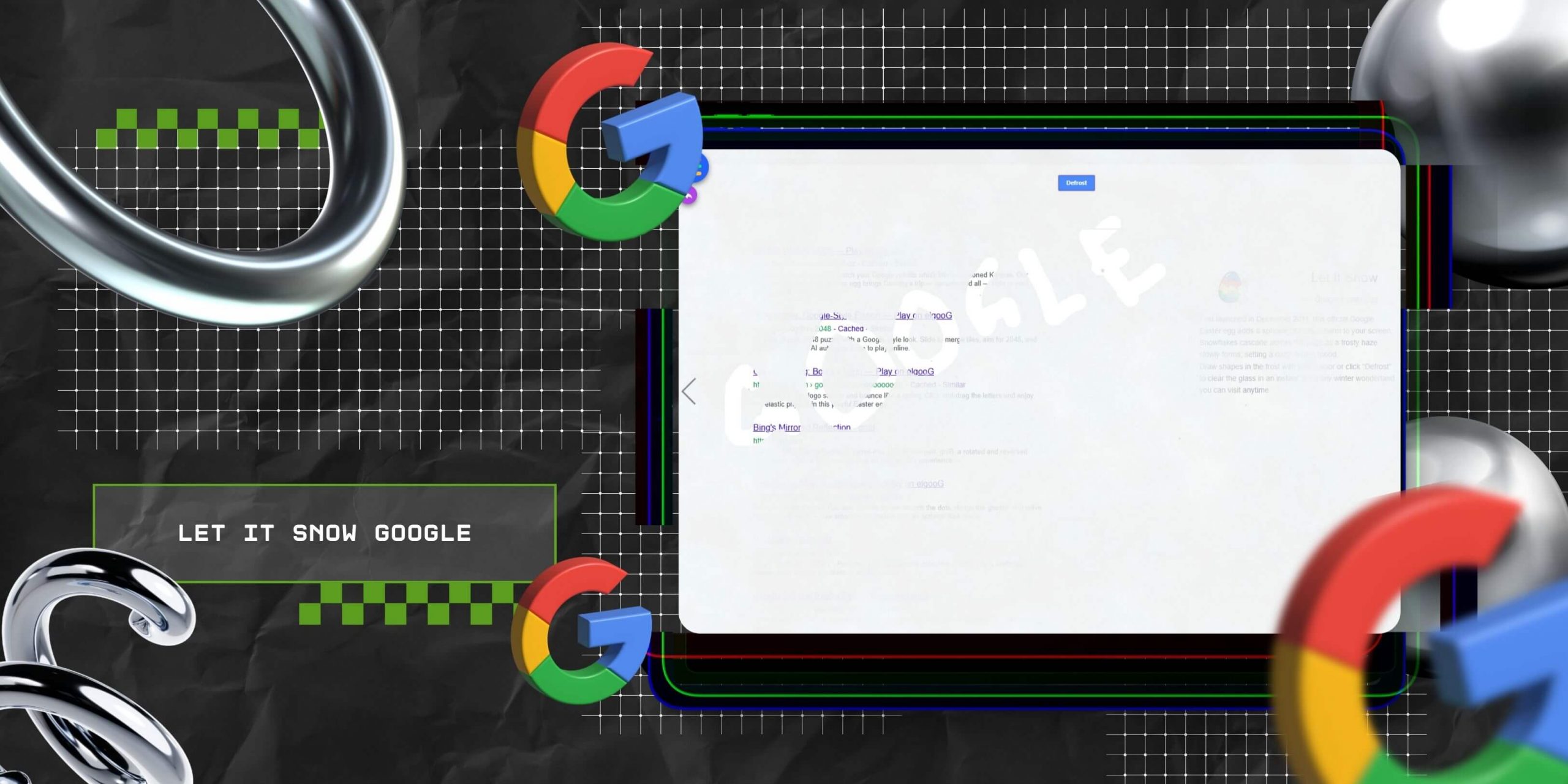

Today’s topic: Let It Snow Google
If you type “let it snow” into Google today, you’ll get something very ordinary. For starters, you can get weather updates, a few articles, or maybe a song reference.
But a few years ago, the same search did something completely different.
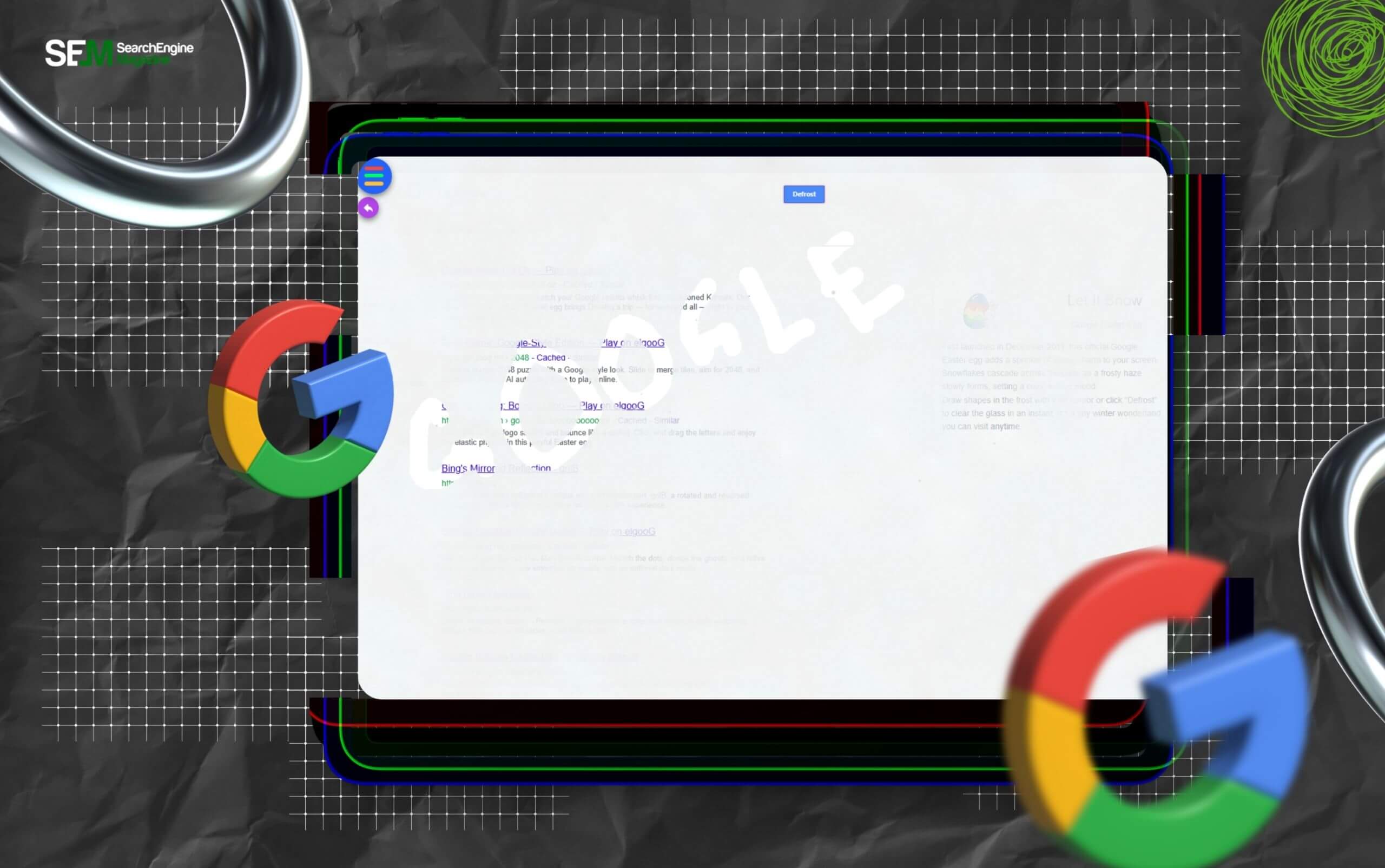
Snowflakes would start falling across your screen. Slowly, the entire page would frost over. Then a small button appeared, and you could wipe the screen clean with your cursor.
It was simple. But people loved it – I was a complete sucker for this one! However, much like other viral internet tricks, this one disappeared over the years.
And today I’m on a mission – to find out what happened to this viral internet trick and why it disappeared in the first place.
Stay tuned!
This wasn’t a feature. It wasn’t meant to help you search better.
Instead, it was an Easter egg! Google has always hidden small surprises inside its search engine.
So, when you type something specific, you don’t get any search results in the usual format. But you get an experience – yep, instead of results, you get an experience.
“Let it snow Google” was one of the most memorable ones because it felt calm and interactive.
Moreover, the best part was how there was no rush or goal. It was just snow falling on your screen.
At first, nothing seemed unusual. I mean, you just had to type the phrase and hit search. Then the snow would start falling – and you could enjoy the interactive experience.
As I was saying, there wasn’t any rush. It drifted down slowly. Within seconds, your screen began to blur as frost built up.
Of course, you could still see the search results underneath, but they felt distant – almost as if the snow was stopping you from looking at the search results properly.
Then came the best part.
A small “Defrost” button appeared. Or you could just drag your cursor across the screen and clear the frost manually.
Moreover, it felt oddly real – that interaction made all the difference. So, you weren’t just watching something happen. Instead, you were part of it.
Google has had many playful tricks over the years:
But “let it snow” felt different. For starters, it wasn’t loud. It wasn’t fast – rather, it was quiet.
Moreover, most Easter eggs try to surprise you quickly. However, this one unfolded slowly. The point? It created a mood instead of a moment.
That’s why people remember it.
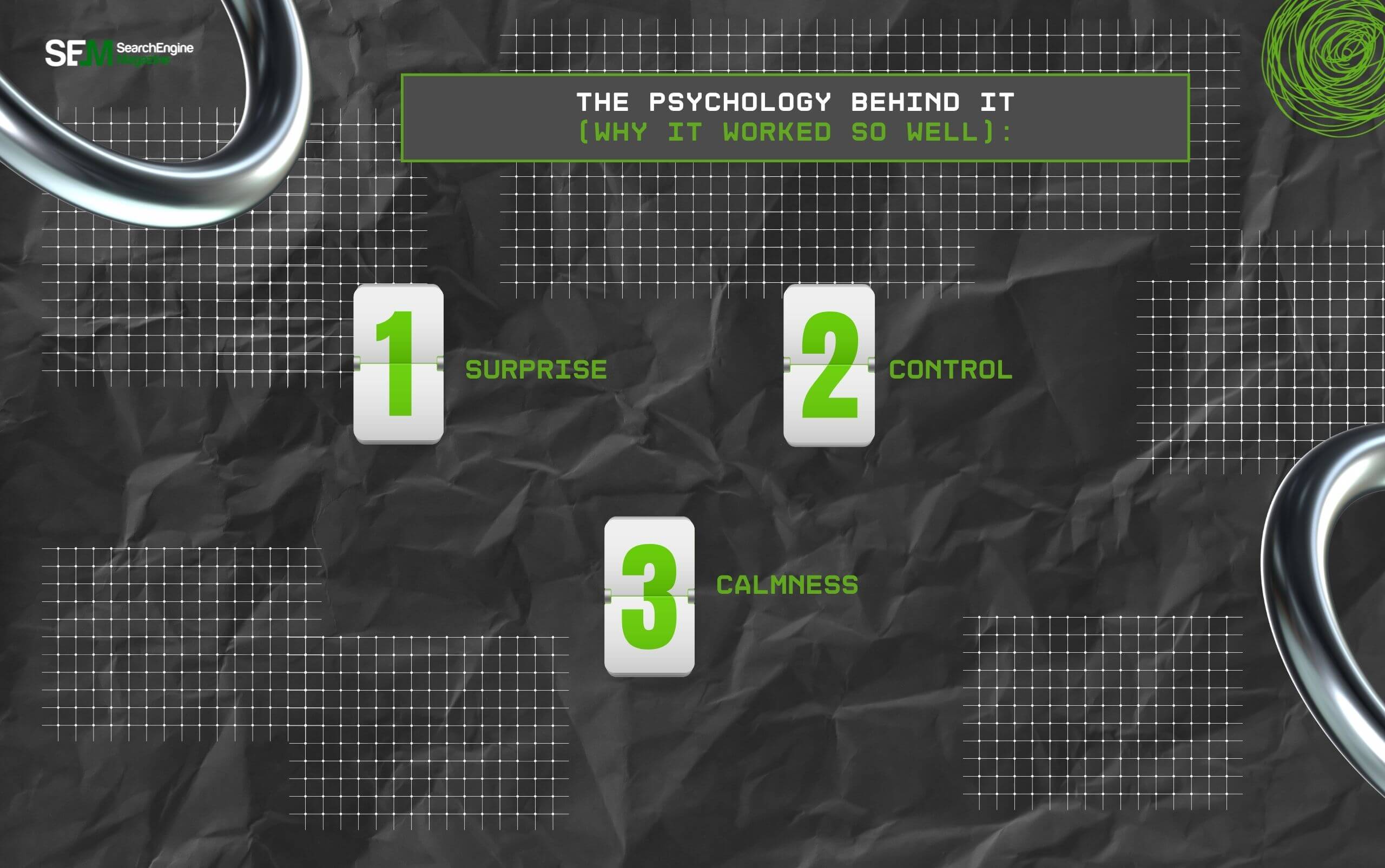
There’s a reason this tiny feature stuck in people’s minds – yep, it’s psychological. As per my understanding, it tapped into three simple things:
You expected search results, but instead you got snowfall.
Obviously, I was surprised to see that it was snowing on my screen, keeping up the Christmas spirit, even when I was slogging at my desk. And I’m sure I wasn’t the only one.
You could wipe the frost yourself. That made it interactive and engaging. And isn’t that the point of most Google Easter eggs?
For example, the zipper game by Google was similar to this one, and so was the Askew egg that tilted your screen.
The common reason behind the success of these eggs is the sheer interaction and entertainment it offered to busy users throughout the day – it felt like a pause from the daily monotony at work.
The animation was slow and gentle. It didn’t demand attention. Instead, it could hold your attention.
As a result, in a space filled with fast clicks and quick decisions, this felt different. It made you pause.
In most cases, no.
So, if you try it now on Google, you won’t see the snowfall effect anymore. Instead, you will just get standard results.
Google has quietly removed many of its older Easter eggs over time. “Let it snow” is one of those features that faded away without much notice.
There’s no official statement, but the reasons are easy to understand. So, I’ll try to break it down for you.
Google today focuses on:
Heavy animations don’t fit well into that approach. Also, most users now search on phones. As a result, a feature like falling snow and screen interaction doesn’t translate well to smaller screens.
So over time, these playful elements were phased out.
“Let it snow” represents a different phase of the internet. Back then, platforms had more room for small, unnecessary details. Not everything had to be optimized.
Today, everything is faster, cleaner, and so much more efficient, but also more predictable.
Moreover, features like this didn’t drive revenue. They didn’t improve performance, but they made the experience memorable.
Also, that’s something many platforms struggle with now.
Nope, you can’t experience it on Google anymore. But it’s not completely gone.
As a result, the only thing you can do to see it in 2026 is either watch recordings of it online or find recreated versions on other websites.
But even if other websites or recordings are able to show you what it looked like, they don’t quite capture the feeling of discovering it unexpectedly.
That moment is what made it special.
It may seem like a small thing – it was just snow on a screen. But it shows something important.
Products are not remembered only for what they do. Instead, they are remembered for how they make people feel.
“Let it snow Google” didn’t help you search better, but it made you smile for a few seconds. And sometimes, that’s enough.
Also, once upon a time, typing “let it snow” into Google would lead to a quiet and unexpected moment. No goal or urgency, but just a soft animation and a simple interaction.
In a world that keeps getting faster, that kind of experience feels rare now. And maybe that’s why people still remember it.
Read Also:
Barsha is a seasoned digital marketing writer with a focus on SEO, content marketing, and conversion-driven copy. With 8+ years of experience in crafting high-performing content for startups, agencies, and established brands, Barsha brings strategic insight and storytelling together to drive online growth. When not writing, Barsha spends time obsessing over conspiracy theories, the latest Google algorithm changes, and content trends.
View all Posts

SEO Dashboard: What To Track, What To Ignore,...
Sep 25, 2026
Analytics SEO: How To Turn Search Data Into B...
Sep 25, 2026
AI Search Tools: What They Actually Measure A...
Sep 25, 2026
FAQ Schema: When It Still Makes Sense And Whe...
Sep 25, 2026
The Keyword With 10 Searches That Sent Ahrefs...
Sep 24, 2026