
How To Get Your Brand Cited In AI Search Results In 2026
Oct 22, 2026
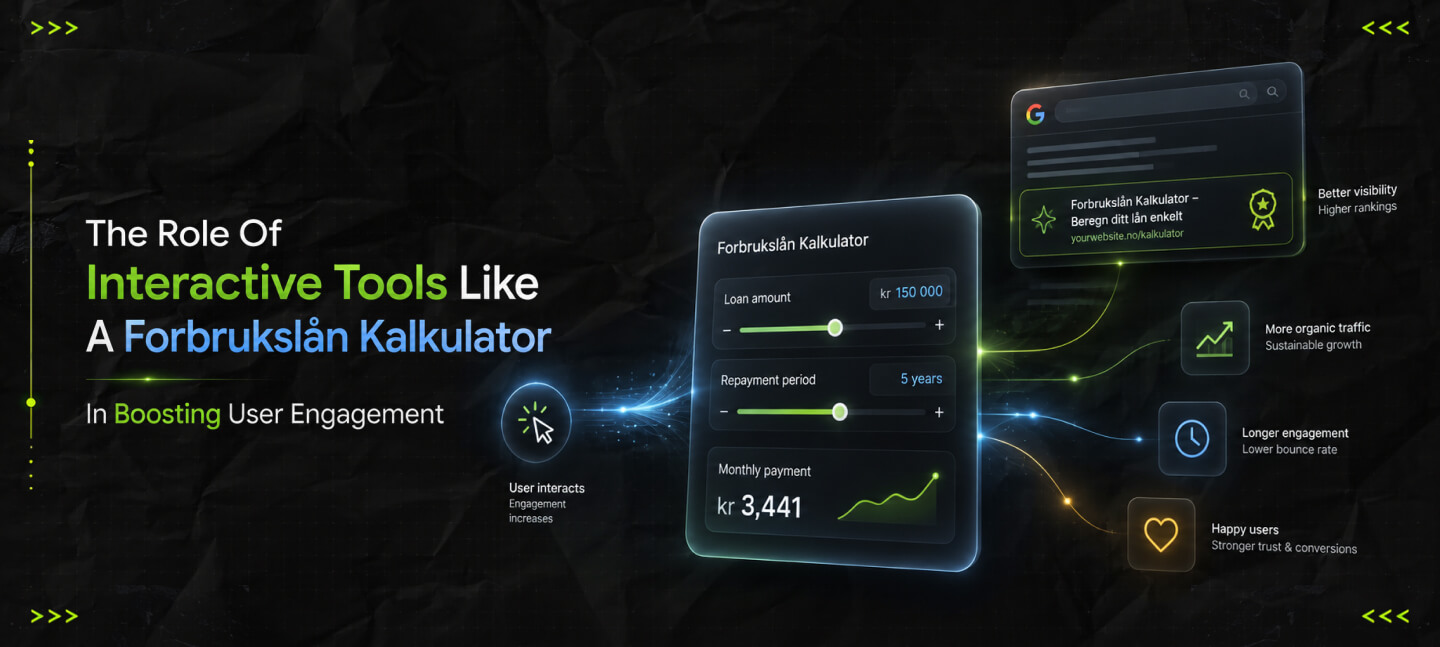

We all have been there! You are reading a great article, maybe about personal finance, randomly scrolling through some loan advices and suddenly you hit a wall of numbers.
Numbers can be mindboggling, especially when you are trying to understand the world of finance.
You lose interest, and you click away.
This can be the ultimate nightmare for modern digital magazines and blogs. And keeping the readers on a page is harder than ever!
They do not just want to stare at a chunk of paragraphs. They want to participate.
This is exactly where interactive content comes into play, changing the entire game.
So, you can embed a smart yet simple online financial tool. This can turn the boring financial lesson into an active, hands-on experience.
Let’s look at how online financial tools like a loan calculator can transform your blog, keep your readers hooked, and completely supercharge your site’s engagement.

In the last few years, there has been a drastic change in how we consume content daily.
The traditional financial reporting used to be very one-sided. A writer wrote it, a reader read it, and that was the end of the story.
Now, this old formula does not work anymore!
Just think about the last time you looked up credit tips pr the budget advices. Maybe you were looking for some quick and personal advice.
But things did not go as you wanted them to be!
You opened a blog post, only to see paragraph after paragraph elaborating the topic in a generic way. You might see some examples of what “person A” spends, etc.
Moreover, you start to feel disconnected from your real life.
Static text cannot adapt to individual needs. This is why readers bounce off the page within seconds.
Other than that, weak hooks such as a boring introduction or dull paragraphs can make you leave the site within seconds.
We live in a world of instant gratification. We want to know how global financial trends can affect our specific bank account right now!
If your article cannot give your reader an immediate answer tailored to their situation, they will leave and find a competitor who can!
Global research by McKinsey & Company reveals that a 10 percent increase in consumer focus across digital media directly correlates with a 17 percent increase in consumer spending.
Modern audiences are highly motivated by interactive experiences.
If you want readers to stay engaged, you have to stop talking at them with static paragraphs and start giving them personalized, real-time value

So, how can you fix this disconnection? You bring the content to life. There are many ways to introduce online financial tools with interactive features.
This can help your readers shift from passive spectators to the main drivers of the article.
When you place a tool like a specialized loan calculator or a personal budgeting section, something magical starts to happen!
A reader adjusts a slider to choose a loan amount along with a timeline and instantly sees the monthly cost update.
This immediate response creates a mini feedback loop in the human brain.
Moreover, it satisfies curiosity on the spot. This way, the concept of borrowing feels tangible rather than abstract.
Money is stressful. And the financial world is notorious for hiding fine print. Online financial tools that clearly break down numbers build instant trust.
According to data standards supported by organizations such as Finanstilsynet (the Financial Supervisory Authority of Norway), you have to be fully transparent about costs. This is the number one way to build consumer trust online.
So, when your blog clearly separates the base loan amount from extra fees, the readers can respect your honesty and consider your site for a safe space for advice.
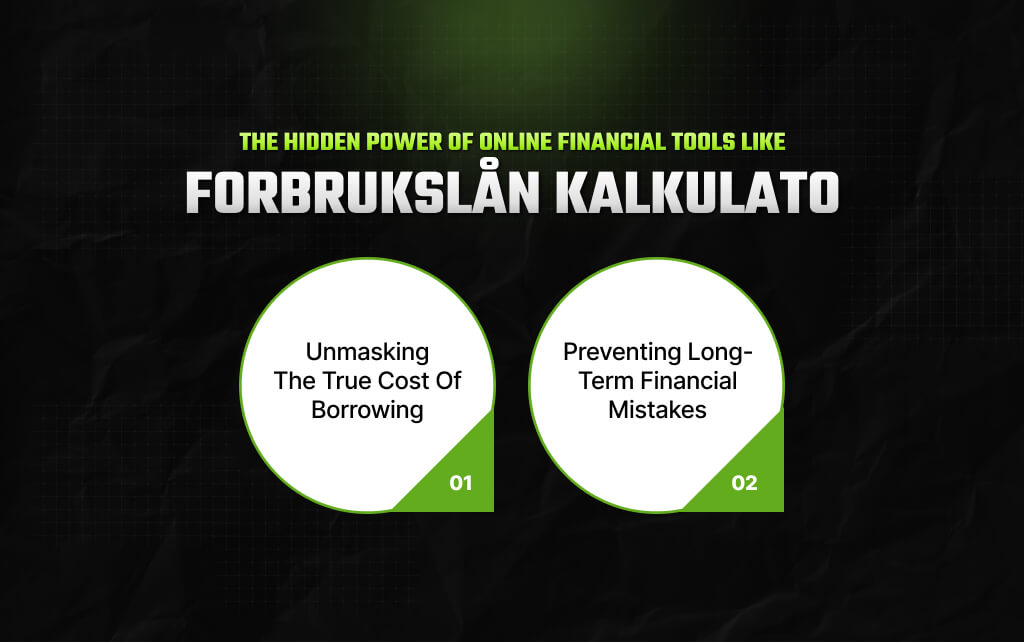
Let’s look at a concrete example: consumer loans (known as a forbrukslån).
Interest rates can vary widely from person to person. These loans do not require collateral such as a house or car.
Most people do not fully grasp how much small shifts in interest matter over time. They look at the nominal interest rate and think it seems cheap.
An interactive tool helps explain the Effective Interest Rate effortlessly. It automatically factors in setup costs and monthly fees.
So, you have to let the readers see these numbers update in real time. This way, they suddenly understand exactly what they are signing up for.
A good calculator acts like a gentle financial advisor. For instance, a reader might think stretching a loan over five years is smart because the monthly payment drops.
However, they can use a dynamic calculator. This can help them instantly see that a longer timeline results in paying twice as much interest in the long run.
You can test your own custom scenarios using the free forbrukslån.no – kalkulator on Forbrukslån.no to experiment with these numbers and see how different terms affect a monthly budget.
It is an incredibly easy way to visually map out debt before making any real-world moves.
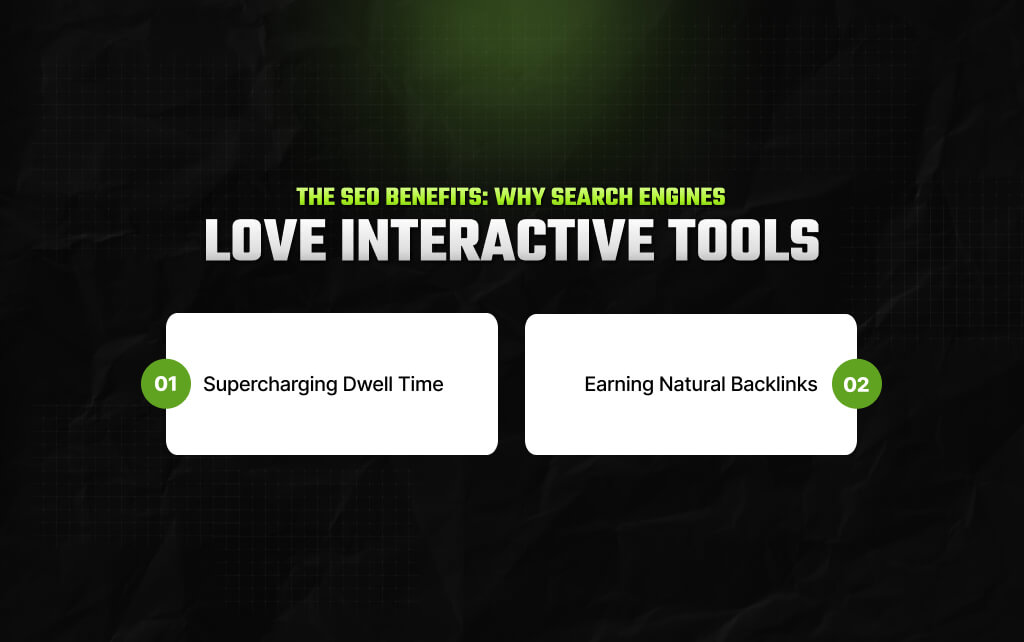
Boosting reader happiness is fantastic, but interactive online financial tools also do wonders behind the scenes for your blog’s search rankings.
Search engines like Google are smart enough to look at how humans actually behave on your pages.
Dwell time is simply the amount of time someone spends looking at your page after they click it in search results.
If someone reads an article and spends 4 minutes using a calculator, Google recognizes that this page is highly valuable.
Furthermore, as a result, the algorithm pushes your article higher up the search rankings.
The high-quality tools are rare as well as helpful. So when you provide a very clean, ad-free calculator, other websites will naturally want to link back to you!
Financial forums, lifestyle blogs, and community pages love sharing free resources that make life easier for their audiences.
You do not need to be a coding genius or an economic professor to make this work on your site.
You just need to follow a few basic design guidelines to keep things smooth.
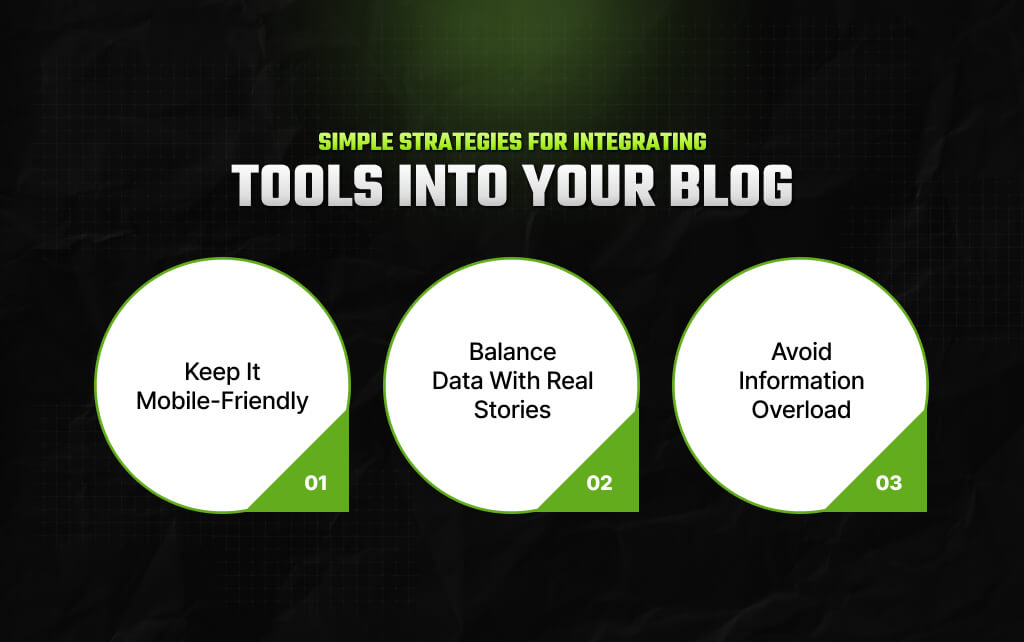
The vast majority of your readers are likely scrolling through your blog on their smartphones while riding the bus or waiting in line.
Let’s say your interactive online financial tool features tiny buttons. Or maybe they do not resize properly on mobile screens.
Moreover, it will frustrate users and ruin the experience. Keep input fields large and touch-optimized.
Secondly, you must never rely on a tool to do all the heavy lifting. Surround the widget with relatable human stories.
You can also talk about common reasons people seek extra funds, such as home renovations or consolidating credit card debt.
For broader context on how shifting economic landscapes influence everyday household budgets, you can check out the regular financial stability reports published by the Norges Bank.
Blending high-level economic context with simple, interactive tools gives your readers the best of both worlds.
Keep options minimal. A user should not have to fill out a 20-field questionnaire just to see a basic estimate. Stick to the essentials:
At the end of the day, digital publishing is evolving from a library into a laboratory.
The blogs that thrive in the coming years won’t just tell people what to think—they will give them the tools to figure it out for themselves.
You can pair clear, simple language with smart interactive features, such as a consumer loan calculator.
This way you create a space where readers actually enjoy learning about money.
This way you can keep your audience engaged through online financial tools and build operational trust!
Moreover, adding online financial tools signals to search engines that your blog can offer better financial clarity.
Barsha is a seasoned digital marketing writer with a focus on SEO, content marketing, and conversion-driven copy. With 8+ years of experience in crafting high-performing content for startups, agencies, and established brands, Barsha brings strategic insight and storytelling together to drive online growth. When not writing, Barsha spends time obsessing over conspiracy theories, the latest Google algorithm changes, and content trends.
View all Posts

How To Get Your Brand Cited In AI Search Resu...
Oct 22, 2026
The Ultimate Blueprint For Broken Link Buildi...
Oct 16, 2026
The Ultimate Guide To Stealing Your Competito...
Oct 15, 2026
Beyond The Basics: Master Guest Posting For H...
Oct 15, 2026
Best Generative Engine Optimization (GEO) Com...
Oct 14, 2026