AEO vs SEO: What’s The Difference And Which One Should You Focus On?
Aug 26, 2026


Ranking on any search engine’s SERP is not an easy task.
That is, brands and businesses need to combine tactics and strategies to adjust the content SEO and technical SEO.
Technical SEO is a critical aspect of search engine optimization that ensures search engines can effectively crawl, index, and rank your website.
Now, implementing SEO best practices for only the content cannot guarantee ranking.
Rather, using the best SEO practices for improving both technical aspects and content performance is the key.
And, to understand how the technical SEO is performing for a website, brands need to conduct a technical SEO audit.
This simple audit helps identify the issues and fix them to boost the overall SEO performance of the website. So, in this blog, I have covered the diverse aspects of this audit, discussing—
Stay tuned!
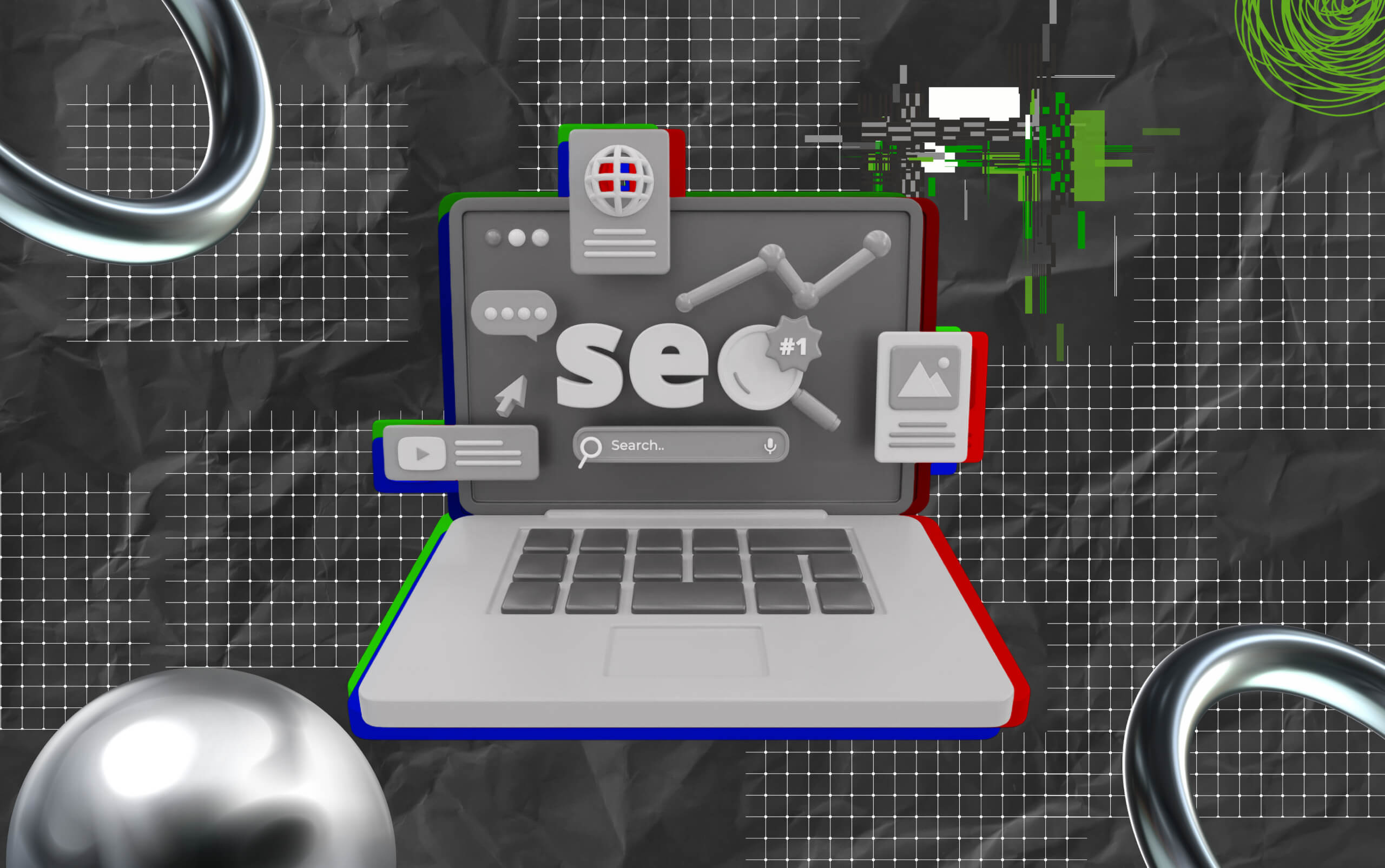
Technical SEO refers to the optimization of website and server aspects that impact search engine crawling, indexing, and ranking.
It involves improving the site’s architecture, optimizing page speed, ensuring mobile-friendliness, and implementing structured data, among other tasks.
Technical SEO serves as the foundation for your website’s overall SEO strategy, as it ensures that search engines can effectively access, understand, and rank your site.
Technical SEO is crucial because it directly impacts your website’s visibility on search engine results pages (SERPs).
When search bots can easily crawl, index, and comprehend your site, it increases the likelihood of ranking higher for relevant keywords.
A well-optimized site also provides a better user experience, which can lead to higher engagement, lower bounce rates, and increased conversions.
Technical SEO comprises various elements, including:

An SEO audit is a comprehensive analysis of your website’s performance, focusing on its technical aspects, content, and off-page factors.
The audit helps identify areas of improvement, potential issues, and opportunities for optimization.
By conducting regular SEO audits, you can ensure that your website remains up-to-date with search engine algorithms and best practices.
A technical SEO audit typically covers the following areas:
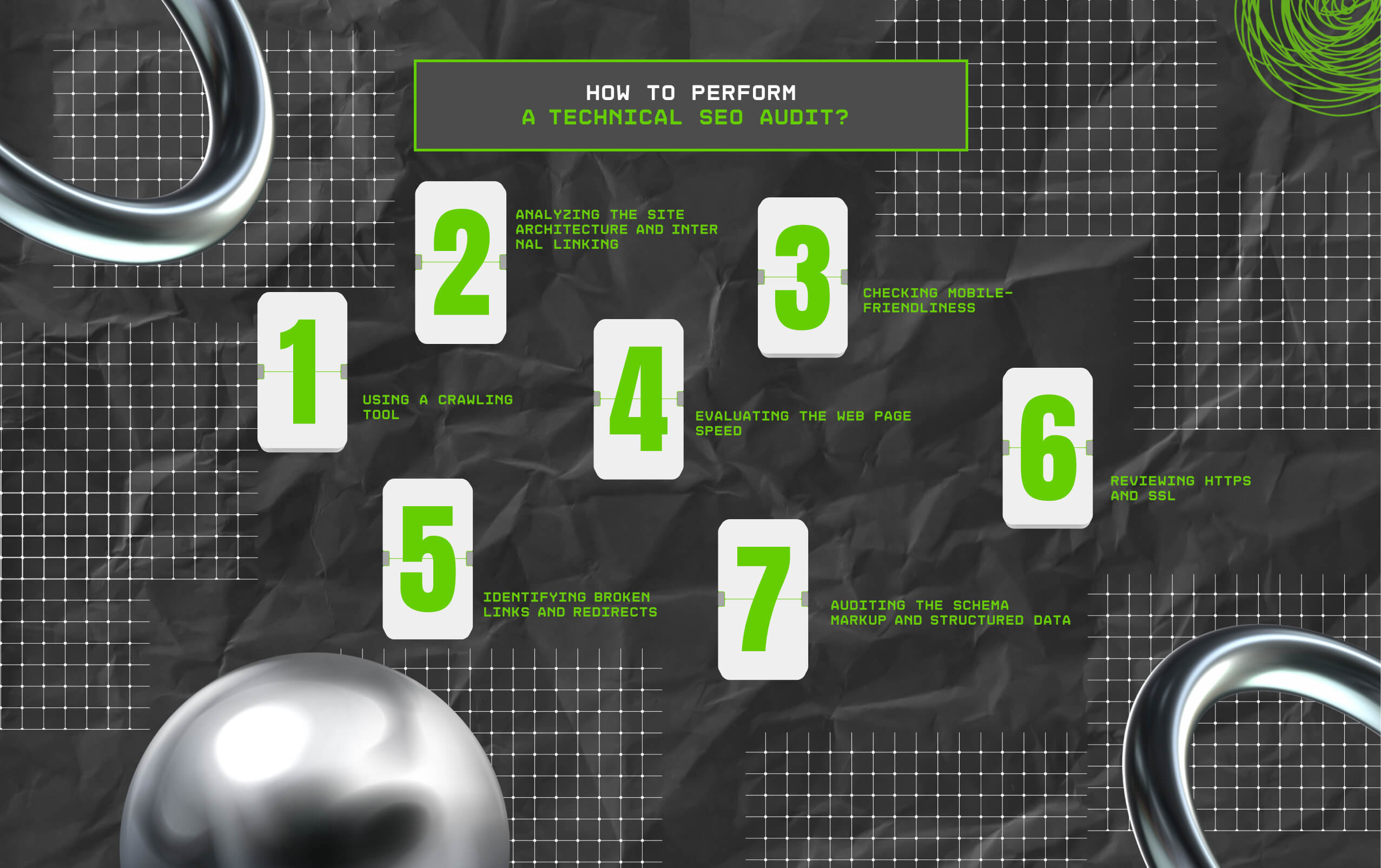
Since conducting an SEO audit for the technical aspects of the website is quite easy, here are the basic steps to conduct a successful technical SEO audit—
Tools like Screaming Frog, Sitebulb, and Deep Crawl can help you analyze your website’s structure, identify crawl errors, and uncover technical issues that need to be addressed.
Review your site’s navigation, URL structure, and internal linking strategy to ensure a logical hierarchy that helps both users and search engines understand your content.
Use Google’s Mobile-Friendly Test tool to assess your site’s responsiveness and identify any issues that need to be addressed.
Use tools like Google PageSpeed Insights, GTmetrix, and WebPageTest to analyze your site’s loading speed and get recommendations for optimization.
Use crawling tools to uncover broken links and improper redirects, and fix them to improve user experience and search engine rankings.
Ensure your site uses secure protocols and has a valid SSL certificate. You can use tools like SSL Server Test by Qualys to check your site’s SSL configuration.
Use Google’s Structured Data Testing Tool or Rich Results Test to review your site’s schema markup and identify areas for improvement.

Simply conducting a technical SEO audit is not enough. That is, you need to employ the right fixing strategy to manage the issues found with the SEO audit.
So, here are some of the common fixing methods for technical SEO issues—
If your site is facing issues with crawlability or indexability, then you need to optimize the webpages, XML sitemaps, and canonical tags.
For instance, brands need to ensure there is no duplicate content. So, removing duplicate pages can improve the indexing.
Moreover, brands can set canonical tags to structure the web page. And, this way, they can optimize the XML sitemaps for better crawlability.
Having a proper site architecture is essential for the bots to crawl and understand the structure of the pages.
So, brands can use internal linking to create content clusters covering related topics. And, they can employ the hub page strategies and silo structures for that.
Moreover, the internal linking can help in delving into the content in depth. So, both the search bots and the readers can understand the connection between the pages.
This way, the brand and the business can grow their online visibility and help crawlers and readers navigate the site.
Given that search engine algorithms consider the page loading speed as a potential ranking factor, slow pages can affect the overall SEO performance.
So, brands and websites can focus on developing the core web vitals — LCP, CLS, FID — to improve the overall page speed.
Moreover, optimizing the images, multimedia elements, and servers on the pages can help improve the page loading speed.
That is, compressed images and low-cached servers can ensure the smooth loading of the pages. Ensuring the user experience is increased.
As search bots crawl through the web content, the schema markup helps them to understand the content structure. So, it is easier to navigate the page via the canonical tags.
Moreover, unstructured data can impact the user experience on the site. So, brands and businesses can use the schema markup to determine the structure of the page.
Additionally, the structured pages can better rank on Google’s SERPs. So, it can improve the overall digital visibility of the brands and businesses.
Finally, broken links can make the navigation difficult for users. So, fixing them with the right internal linking can help fix the SEO performance of the web pages.
Moreover, fixing the URL slugs is also crucial to help readers and search bots understand the content of the web page.
That is, using the underscore (_) instead of the designated hyphens (-) in between the words of the URL slugs can confuse the bots. Making them consider the two words as one.
Additionally, using too many parameters after the (?) in the URL can make it excessively long and confusing. So, it can be difficult for both users and bots to comprehend it.
To ensure the best results from your technical SEO audit, consider partnering with a professional technical SEO services provider.
They will have the expertise and experience needed to help you optimize your website, stay up-to-date with the latest search engine algorithms, and drive more organic traffic and conversions.
Chandrima is a seasoned digital marketing professional who works with multiple brands and agencies to create compelling web content for boosting digital presence. With 3 years of experience in SEO, content marketing, and ROI-driven content, she brings effective strategies to life. Outside blogging, you can find her scrolling Instagram, obsessing over Google's algorithm changes, and keeping up with current content trends.
View all Posts

AEO vs SEO: What’s The Difference And Which...
Aug 26, 2026
Answer Engine Optimization: What AEO Means An...
Aug 25, 2026
NLP SEO: What It Means, How Search Engines Un...
Aug 25, 2026
Retrieval-Augmented Generation: What RAG Is A...
Aug 24, 2026
Vector Search SEO: What It Means For Search A...
Aug 21, 2026