Agency Guide To YouTube Growth: Wholesale Pricing For Multiple Clients
Sep 15, 2026
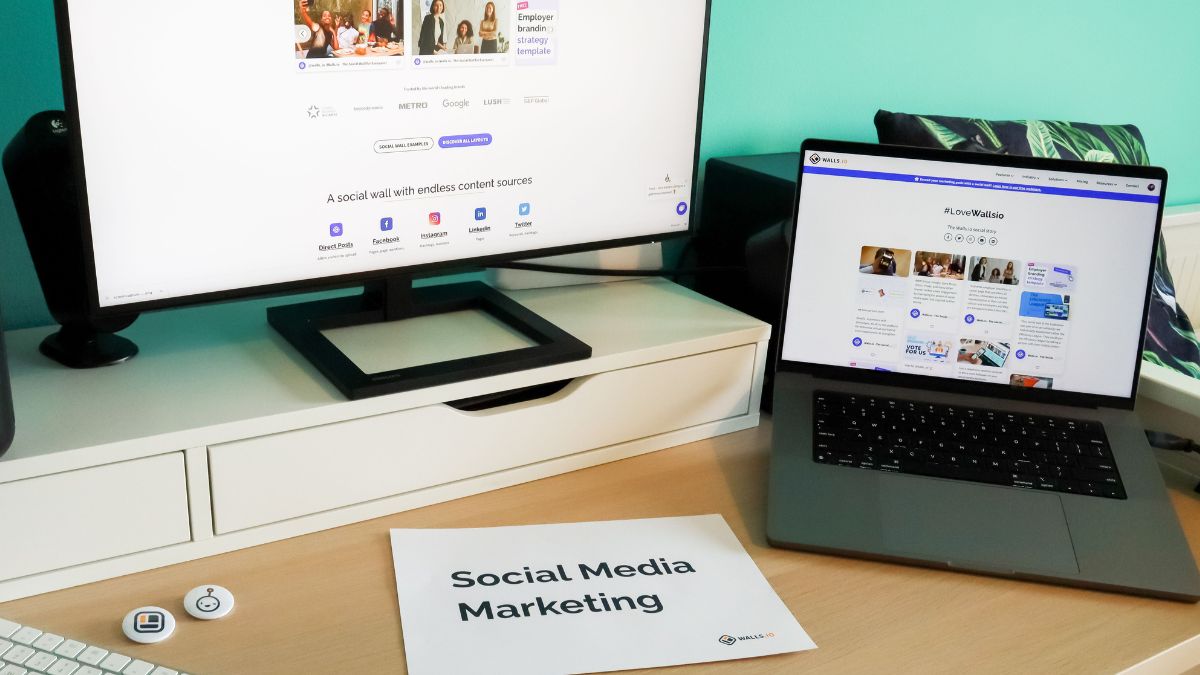

Social media marketing has drastically changed the marketing environment for brands over the last decade.
Data shows that 5.79 billion people are using social media across the globe today. That’s a huge marketing opportunity for brands.
A brand is now experienced through dozens of smaller interactions: like a reel on Instagram, a comment, an opinion posted by the brand owner, or a review posted by a consumer.
Social media marketing is no longer just about helping companies connect with their audiences, but also about creating their brand identities.
Brand creation used to depend largely on communications planning. Television ads, print ads, billboards, and packaging allowed businesses to exert significant control over how they were perceived.
Those factors are important; however, social media branding has filled the gap between advertising campaigns.
For instance, a restaurant may have a perfectly executed marketing campaign twice a year. However, customers can reach the brand’s Instagram page several times a week.
A technology company has developed a consistent message for its website.
LinkedIn updates from the founder can influence customer perception of the company’s expertise. Even how the company handles a complaint may reveal its brand personality.
That makes brand identity more continuous.
The discussion around social media VS traditional media is often reduced to which channel produces better results.
From a social media branding perspective, however, the more important difference is how communication happens.
| Traditional media | Social media |
|---|---|
| Brand primarily controls the message | Brand and audience influence the conversation |
| Communication is largely one-way | Communication happens in both directions |
| Usually campaign-led | Always-on communication |
| Audience feedback is less immediate | Reactions and conversations happen quickly |
| Identity is reinforced through planned campaigns | Identity is reinforced through everyday interactions |
| Response is generally measured after distribution | Brands can observe and adapt to responses quickly |
What social media changes is the frequency and participation involved. Audiences no longer only receive brand communication.
They respond to it, share it, reinterpret it, and sometimes create their own content around it.
Most brand guidelines include characteristics the business wants to communicate. A brand can describe itself as knowledgeable, friendly, confident, playful or premium.
Social media allows brands to showcase their personalities again and again.
The financial company that wants to be accessible can explain complex industry concepts in simple terms.
A restaurant that wants to appear playful and satirical can convey its personality through captions and responses to comments.
A B2B brand that wants to be seen as an expert can involve its management in discussing industry trends.
This is why copying another company’s content style can never create a unique brand identity. It may work, but the personality behind that tone will not belong to the brand.
Social media marketing provides brands with the freedom to establish their own distinctive voice.
The more frequently a brand communicates with the audience, the greater the risk of inconsistent social media branding.
Brand consistency isn’t just about using the same brand assets, like logos and fonts, across all channels.
Businesses also need consistency across:
Consistency doesn’t mean making all posts look and sound the same. What should be recognized is the brand’s unique identity.
This is one reason businesses may work with a Social Media Management Agency in India.
The value is not simply having someone publish posts. It is creating a clear system so that different formats, campaigns, and platforms still feel connected to the same brand.
Reach measures how many people were exposed to the brand content. It does not necessarily tell the business whether anyone remembers who created it.
For social media marketing to support brand identity and awareness, businesses need to go beyond reach.
It is helpful to use the following pattern:
For example, most people associate taking a break with KitKat after its famous advertising campaign.
For example, if we have a sore throat, the first solution that comes to mind is Vicks.
When a Reel receives many views, it creates exposure. However, if viewers remember only the joke and not the company that released it, its contribution to brand building might not be significant.
The brand’s task is to create content unique enough that people can associate it with the company.
Likes and follower counts provide some information, but neither metric alone tells a business whether its brand identity is becoming stronger.
A broader measurement framework is more useful:
| Brand objective | Useful signals |
|---|---|
| Visibility | Reach, impressions and video views |
| Recognition | Profile visits, repeat engagement and branded searches |
| Relevance | Saves, shares and meaningful comments |
| Community | Mentions, UGC and repeat conversations |
| Business interest | Website visits, inquiries and assisted conversions |
Now, every post, interaction, collaboration, and comment exchange either builds the image a company is creating or slowly erodes it.
This means social media is an important part of the social media branding process, not just another marketing channel.
This is where an expert social media management agency like Blacklisted can help.
By linking social media actions to overall social media branding, content, and business objectives, a brand can create something recognizable without becoming redundant.
In other words, successful brands on social media don’t need the most content or to follow every trend.
They need to be recognizable, understandable, and memorable for their audience.
Read Also:
Barsha is a seasoned digital marketing writer with a focus on SEO, content marketing, and conversion-driven copy. With 8+ years of experience in crafting high-performing content for startups, agencies, and established brands, Barsha brings strategic insight and storytelling together to drive online growth. When not writing, Barsha spends time obsessing over conspiracy theories, the latest Google algorithm changes, and content trends.
View all Posts

Agency Guide To YouTube Growth: Wholesale Pri...
Sep 15, 2026
Top 5 Reputed SMM Panels To Buy Social Media ...
Sep 15, 2026
Structured Data SEO: How Schema Markup Helps ...
Sep 12, 2026
TikTok Downloader For Content Marketing Resea...
Sep 12, 2026
AI Content Optimization: How To Make Your Con...
Sep 11, 2026