KeywordStat Review: Keyword Research, Clustering & SEO Data Compared
Oct 03, 2026
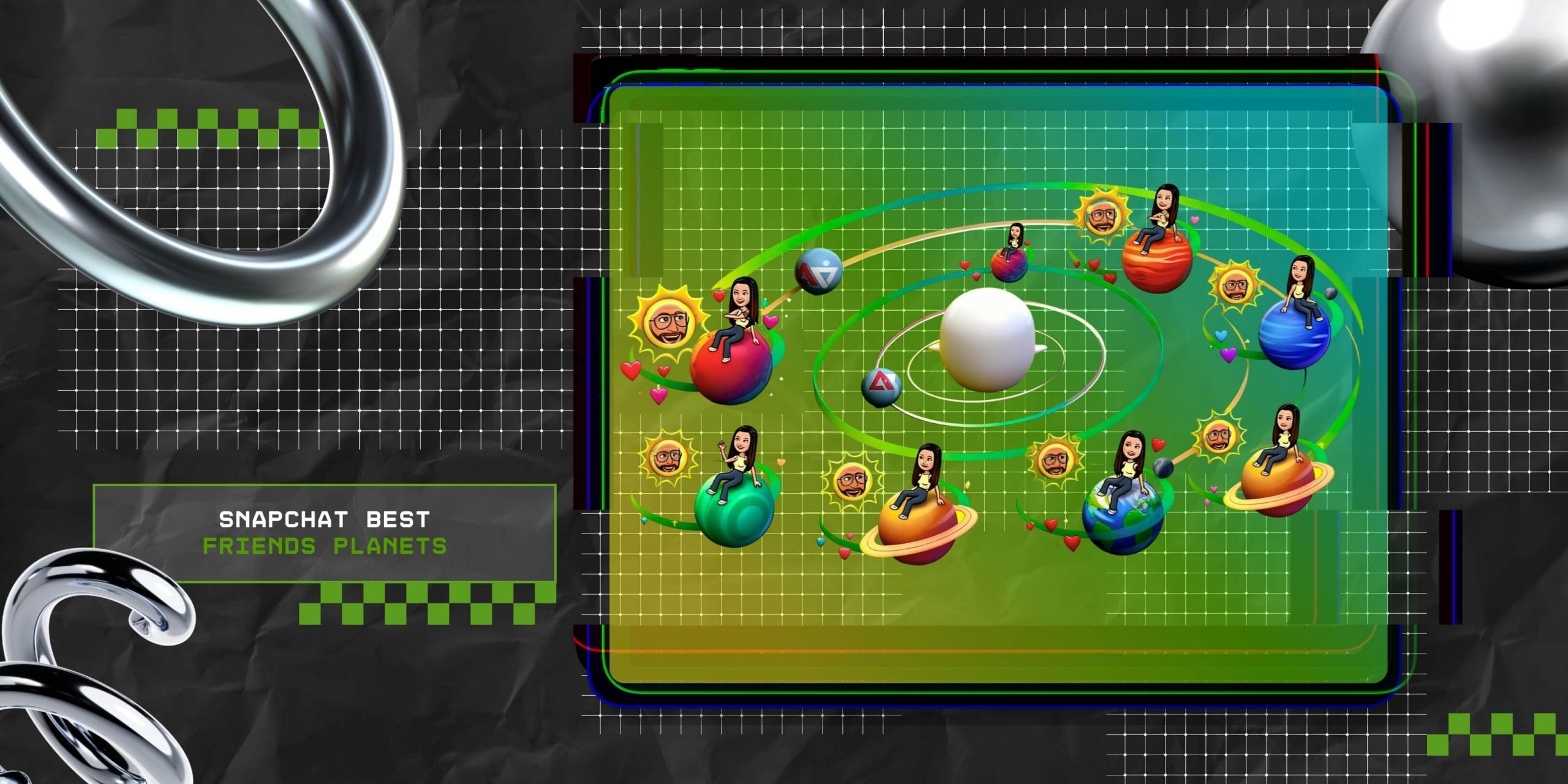

Today’s topic: What is ‘Snapchat Best Friends Planets’ all about?
If you’ve seen planets next to someone’s name on Snapchat, you probably paused for a second. It looks random at first. But it’s not.
Those planets are part of Snapchat’s Best Friends system, and they quietly rank your closest interactions.
As someone who has recently gotten back to Snapchat, thanks to its rising popularity, I am here to discuss Snapchat’s planetary systems and their relation to your closest friends on the app.
Also, in this context, I’ll touch upon all the reasons that make this feature so popular with Snapchat users.
Stay tuned.
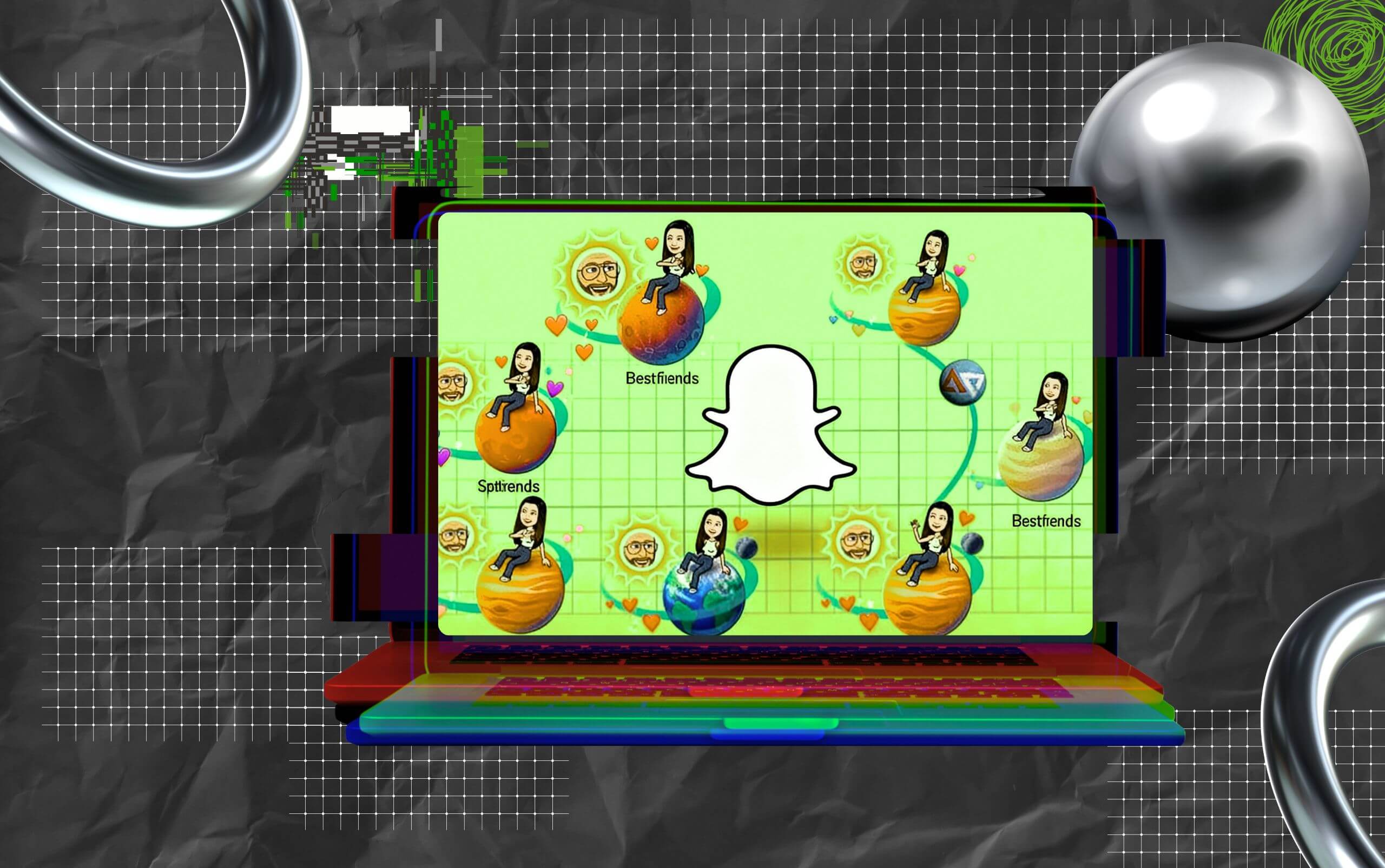
Snapchat uses a feature called Friend Solar System. It’s part of Snapchat+ (the paid version), and it assigns each of your top friends a planet.
So, as per this feature, you are the “sun.” Similarly, your closest friend is Mercury, and the next one is Venus. Then come Earth, Mars, and so on.
The point? The closer the planet, the stronger the interaction. That’s about it – No announcement. Or no explanation inside the app.
Instead, it is just a visual system that people slowly figure out.
Snapchat doesn’t openly explain the full system. But based on usage, it’s clear what matters.
So, it tracks things like:
Moreover, it’s not about who you like the most. Instead, it’s about who you interact with the most. That’s an important difference.
The exact order follows the solar system. As per the order of the solar system:
The further the planet, the weaker the connection in terms of activity. Also, it’s a simple ranking, just presented visually.
This is where things get interesting. On the surface, it feels like a small feature – just icons. But it taps into something deeper.
Of course, people start noticing:
It creates a silent comparison. Even if no one talks about it, people check. And once you check, it’s hard to ignore.
Snapchat has always been about streaks and quick interaction. This feature adds another layer.
Now it’s not just, are you talking?” Instead, it’s more about how often you talk compared to others. That comparison changes behavior.
And as a result, people may:
Not consciously all the time. But enough to matter.
So, here’s something many users notice. The rankings don’t always match how you feel.
You might think someone is your closest friend. But they show up as Earth instead of Mercury. That’s because the system tracks activity, not emotional closeness.
As a result, if you talk less frequently and switch platforms (like WhatsApp or Instagram), then your rank drops. Even if the relationship hasn’t changed.
This feature is not random. Understand that Snapchat is built around engagement.
As a result, more interaction means:
The planet system nudges behavior without forcing it. It doesn’t tell you to send more snaps. Instead, it just shows you where you stand.
And that’s enough.
To be fair, it’s not all negative.
The feature can:
For some users, it’s just a playful detail and nothing more.
It becomes an issue when people take it too seriously.
As a result, you might notice:
At that point, the feature is no longer fun. Also, it starts affecting how you feel about normal interactions.
Over time, users fall into one of two patterns.
1. They ignore it: They notice it once, then stop checking.
2. They keep checking quietly: They don’t talk about it, but they stay aware of changes.
Very few people sit in the middle. And that’s fine because it’s just another interactive feature.
The easiest way to understand this feature is: It shows activity, not importance. That’s it. Once you separate those two, the pressure drops.
Moreover, the Best Friends planets on Snapchat are a small feature on the surface. But they tap into something very human.
We like to know where we stand. Even in casual apps. Even in small interactions. And sometimes, a tiny icon is enough to make us think about it more than we expected.
Read Also:
Barsha is a seasoned digital marketing writer with a focus on SEO, content marketing, and conversion-driven copy. With 8+ years of experience in crafting high-performing content for startups, agencies, and established brands, Barsha brings strategic insight and storytelling together to drive online growth. When not writing, Barsha spends time obsessing over conspiracy theories, the latest Google algorithm changes, and content trends.
View all Posts

KeywordStat Review: Keyword Research, Cluster...
Oct 03, 2026
How Corda Turns Authority Data Into Campaigns
Oct 01, 2026
How To Audit Your Search Visibility In 2026: ...
Sep 30, 2026
What Is Google Lighthouse? A Practical Guide ...
Sep 30, 2026
When Can You Save A Public Instagram Story?
Sep 30, 2026