How AI Tools Are Changing The Way Marketers Approach SEO
Aug 18, 2026
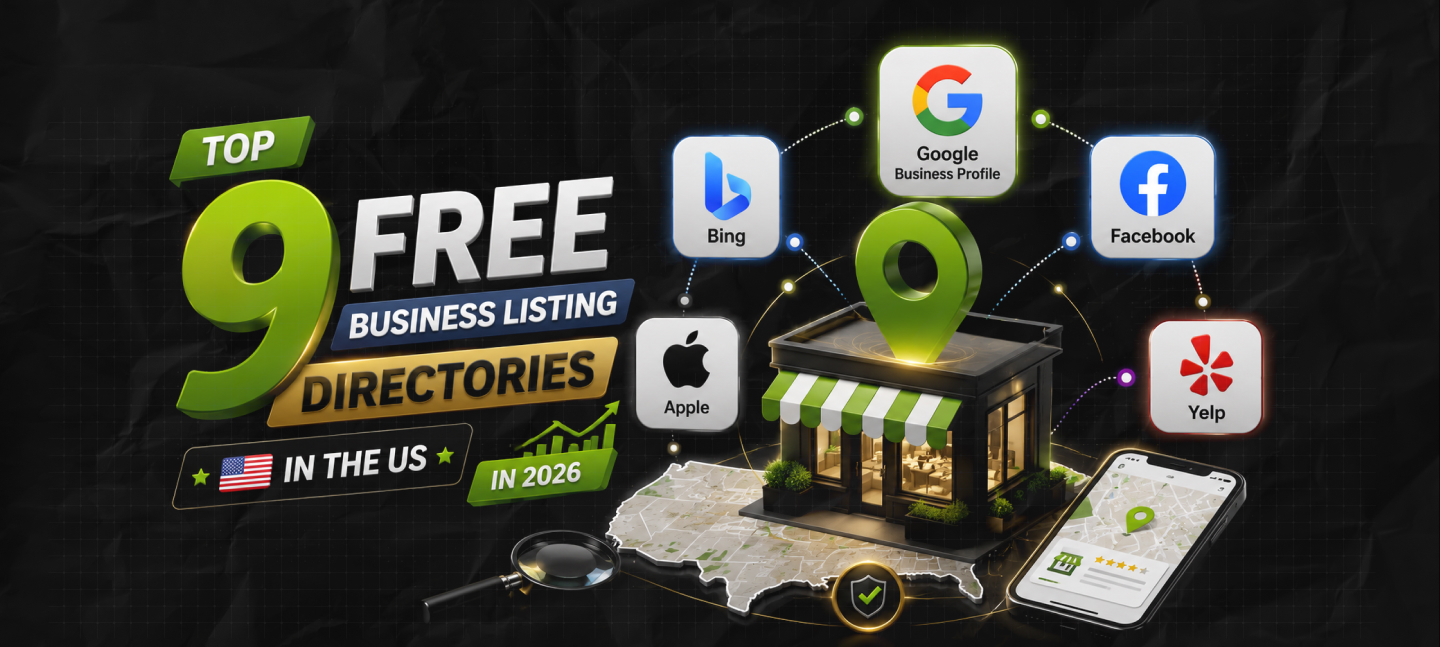

I remember when Elena opened her boutique consulting agency. She spent thousands on a stunning website and expected clients to pour in. Instead, her phone stayed completely silent for months.
When locals searched for nearby consultants, her firm was completely invisible. Elena was missing a foundational asset: she hadn’t claimed her profiles on high-authority free business listing directories.
Search engines saw her isolated website and marked it as an unverified risk. To rescue her business, we treated her digital footprint like a disciplined capital investment.
Within four months of clean directory distribution, her agency dominated local search maps. Let’s look under the hood of how search engines evaluate these networks.
Before diving into the core platforms, it helps to understand how a search bot actually processes your distributed information. The machine uses a step-by-step verification logic to make sure your company is legitimate before showing it to a user.
| Evaluation Phase | Crawl Mechanism | Algorithmic Trust Output |
|---|---|---|
| Data Discovery | Search bots crawl external directories | Gathers distributed name, address, and phone metrics |
| Cross-Verification | Compares Directory A, B, and C profiles | Checks for absolute data text consistency |
| Trust Determination | Matches found data against your website | High match rate unlocks superior local map placements |
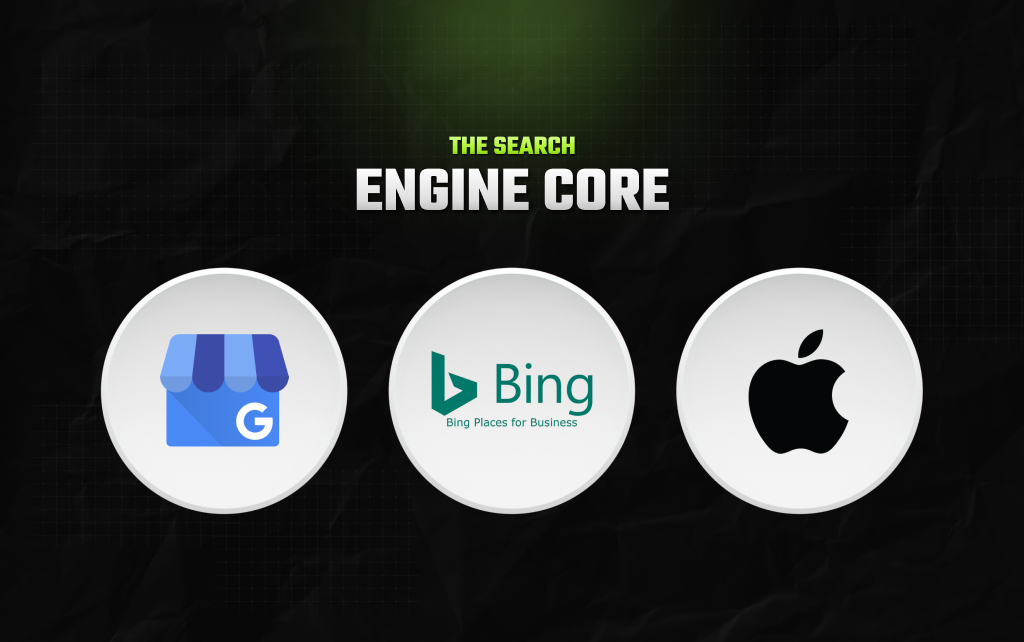
Think of this cluster as the foundation of your primary financial portfolio. If you do not claim these profiles, you are effectively preventing search engines from indexing your storefront. These platforms directly feed the maps and localized result boxes that control modern smartphone searches.
This remains the single most impactful free listing asset in the United States. Google uses this specific data layer to populate its local map packs. When a customer types a service need into their phone, this database determines who gets the customer’s call.
Many business owners completely ignore Microsoft’s search ecosystem, which is a massive strategic mistake. Bing powers the direct search functions across countless corporate devices, voice assistants, and enterprise platforms.
Apple controls the hardware ecosystem for more than half of the active smartphone users in the United States. When someone asks their phone for directions or looks for a nearby store using native map software, Apple doesn’t ask Google for the answer. It pulls directly from its own internal repository.
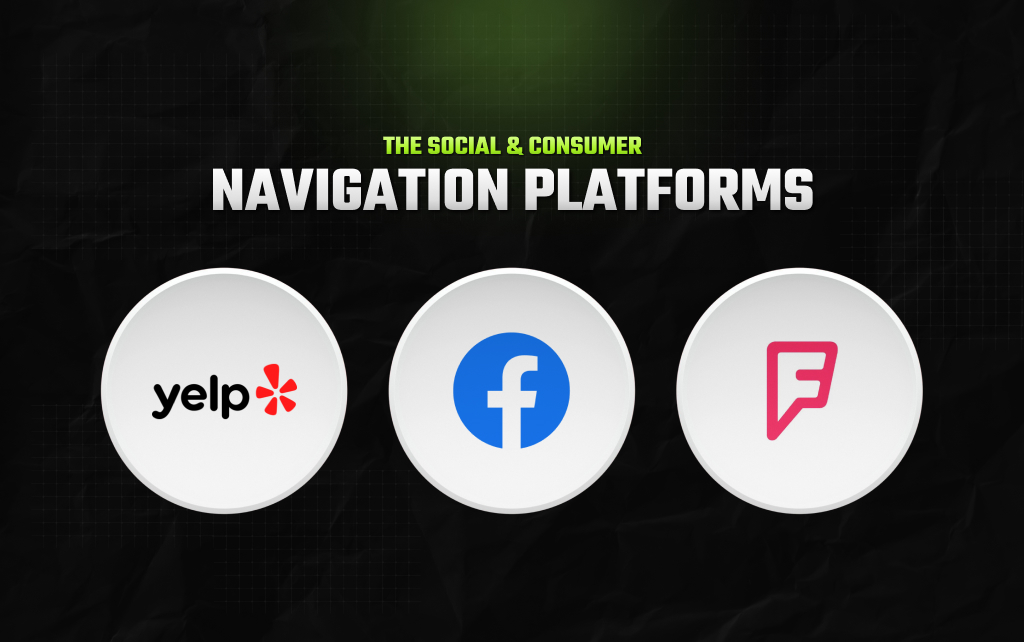
Modern search engines don’t exist in a vacuum. They actively monitor popular human hubs to see if real people are talking about your services. This cluster acts as a secondary verification network that proves your business is a living, breathing part of your local community.
| Loop Component | Strategic Business Action | Search Engine Valuation Reaction |
|---|---|---|
| Data Footprint | Establish consistent consumer directory citations | Search bots discover and map your operational grid |
| Visibility Gain | Complete every section with unique local text | Algorithms boost your visibility in nearby search maps |
| Review Velocity | Prompt real-world customers to leave reviews | Crawlers detect real human activity and boost domain authority |
Yelp is a massive authority domain that search engines crawl continuously. Because it holds millions of crowd-sourced consumer reviews, algorithms treat its data as a primary indicator of real-world business performance and consumer sentiment.
A Facebook page is more than a social timeline; it serves as a highly structured data source. Search platforms regularly pull review data and operating hours directly from social headers to construct an overall trust score for your enterprise.
While few people use Foursquare as a standalone app today, its underlying data engine is incredibly powerful. It acts as the location database for hundreds of secondary mobile apps, including major ride-sharing platforms and social media tagging tools.
High-Authority Business Databases (The Trust Aggregators)
This final cluster functions like an institutional credit registry for your web presence. These platforms have been online for decades, meaning search engines view their records as deeply stable, high-authority benchmarks.
Manta is one of the largest dedicated small-business databases in the United States. It is structured specifically to help search engine crawlers quickly identify what a company does and where it operates.
MerchantCircle specializes in connecting small local businesses with neighboring shoppers. It provides a reliable platform for distributing updates, creating local deals, and building localized links back to your main site.
The digital evolution of the classic giant book remains a vital trust signal. Because it has decades of legacy domain authority, a clean listing here provides an undeniable stamp of institutional legitimacy that search bots respect.
Building an authoritative presence across these networks requires an allocation of time, but the return on this sweat equity is substantial.
When you utilize high-quality free business listing directories, you are feeding search engines the clean, verified information they need to recommend you safely to users.
Avoid the temptation to use automated shortcuts that leave profiles incomplete.
Take the time to build each asset manually, protect your core contact consistency, and watch how the algorithms transform your business visibility into a dominant local presence.
Read Also:
Barsha is a seasoned digital marketing writer with a focus on SEO, content marketing, and conversion-driven copy. With 8+ years of experience in crafting high-performing content for startups, agencies, and established brands, Barsha brings strategic insight and storytelling together to drive online growth. When not writing, Barsha spends time obsessing over conspiracy theories, the latest Google algorithm changes, and content trends.
View all Posts

How AI Tools Are Changing The Way Marketers A...
Aug 18, 2026
AI Search Is Not Replacing SEO: It Is Expandi...
Aug 18, 2026
PoE Switch For CCTV: A Complete Guide For Fil...
Aug 13, 2026
How To Scale To 20,000 Subscribers For $0: My...
Aug 13, 2026
What Is Content Velocity? How To Calculate It...
Aug 12, 2026