
How To Get Your Brand Cited In AI Search Results In 2026
Oct 22, 2026
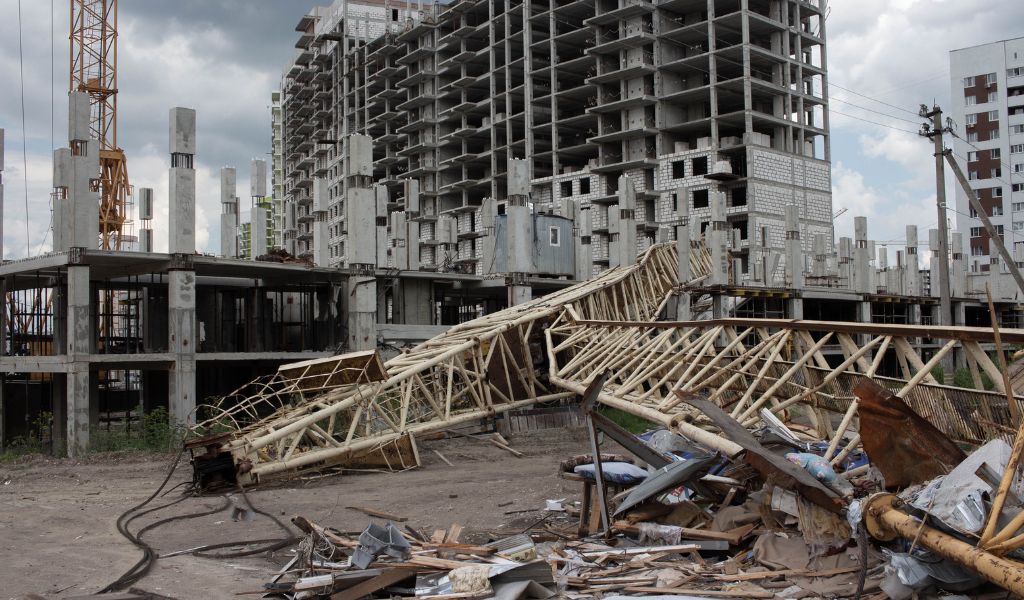

Construction sites are busy places where workers deal with heavy equipment, power tools, vehicles, heights, and changing work conditions every day. When an accident causes an injury, it can be hard to know what to do next. Speaking with a Construction Injury Attorney may be worth considering if your injury is serious, your ability to work has been affected, or another person or company may be responsible. Understanding when legal help may be needed can help you make better decisions after an accident.
Construction work comes with many risks. Workers can suffer injuries from falls, falling objects, machinery, electrical hazards, fires, unsafe surfaces, or exposure to dangerous materials.
The Occupational Safety and Health Administration identifies four major construction hazards: falls, struck-by hazards, caught-in or between hazards, and electrocution. OSHA also provides resources to help workers and employers recognize and control these risks. You can learn more through the OSHA construction safety resources.
Some injuries are minor and may heal with basic medical care. Others can result in broken bones, spinal injuries, burns, head injuries, amputations, or permanent disabilities.
The severity of your injury is one of the first factors to consider when deciding whether to seek legal guidance.
There is no single rule for every construction accident. However, certain situations should make you think about speaking with an attorney.
If you were hospitalized, needed surgery, suffered a permanent injury, or require ongoing treatment, consider seeking legal advice.
Serious injuries may lead to long-term medical care, lost income, and reduced earning ability. An attorney can help evaluate your potential losses and legal options.
An injury may cause lost wages and affect your future earning ability.
Keep records of missed work, reduced hours, job restrictions, pay, and other employment changes. These records can help document your financial losses.
Construction sites often involve multiple companies, including contractors, subcontractors, equipment providers, and property owners.
An injury may result from:
Determining responsibility can be complicated, so do not assume your employer is the only potentially responsible party.
Defective tools, machines, lifts, cranes, or ladders may create legal issues beyond a standard workplace accident.
If possible, photograph the equipment, record its model or serial number, and save related maintenance or incident records. Do not repair or alter it before it is documented.
Missing or ignored safety protections can increase the risk of construction injuries.
Examples include inadequate fall protection, unsafe scaffolds, missing guardrails, improper ladders, or a lack of protective equipment.
A safety violation does not automatically establish liability, but evidence of unsafe conditions may help investigate the accident.
An insurer may question how the accident happened, whether it caused your injury, or how much compensation you deserve.
Provide accurate information, but do not guess about details you cannot remember. Avoid signing documents or accepting a settlement before understanding its terms.
If your claim is denied or undervalued, legal guidance may help.
Some injuries, including head, soft tissue, and internal injuries, may not cause immediate symptoms.
Seek medical care when appropriate and follow your healthcare provider’s instructions. Keep records of medical visits, bills, prescriptions, tests, and treatment recommendations.
Evidence can disappear or change after an accident. Equipment may be repaired, work areas cleaned, safety gear moved, and surveillance footage deleted.
Photograph the scene, equipment, warning signs, work areas, and injuries if possible. Also record witness names and contact information.
If another party may be responsible, consider seeking legal advice before important evidence is lost.
Construction workers may worry that reporting an accident will make them look careless or create problems at work.
Do not assume that an accident was your fault simply because you were performing a task when the injury occurred.
Construction accidents can happen because of equipment problems, unsafe instructions, poor site conditions, inadequate training, or the actions of another worker or company.
The facts should be reviewed before responsibility is assigned.
For many employees, workers’ compensation may be an important part of the process after a job-related injury. However, the exact rules and available benefits depend on the applicable law and circumstances.
A workers’ compensation claim and a claim against another responsible party are not always the same thing.
For example, if a subcontractor’s actions or defective equipment contributed to an accident, there may be questions about whether another party could have legal responsibility in addition to available workplace benefits.
Because these cases can involve multiple legal issues, professional advice can help clarify your options.
Your health comes first after an accident. Once safe, consider these steps:
These steps can preserve evidence while you recover.
A construction injury attorney can review your accident and explain your legal options. They may investigate the worksite, identify responsible parties, gather evidence, review safety records, communicate with insurers, and assess your losses.
An attorney can also determine whether your case involves workers’ compensation, a third-party claim, product liability, or another legal issue.
Waiting may make serious cases harder to resolve. Evidence can disappear, witnesses may become difficult to find, and legal deadlines may apply.
Seeking legal advice does not mean you must file a lawsuit. It can help you understand your rights before making important decisions.
A construction injury can affect your health, income, career, and family. Knowing when to seek legal help can make it easier to protect your interests while you recover.
Consider speaking with an attorney if you suffered a serious injury, cannot return to work, face large medical expenses, believe unsafe conditions caused the accident, or are dealing with a disputed insurance claim.
In the meantime, focus on getting appropriate medical care, reporting the accident, preserving evidence, and keeping detailed records. These simple steps can provide useful information if you later need to pursue compensation for your construction injury.
Read Also:
Barsha is a seasoned digital marketing writer with a focus on SEO, content marketing, and conversion-driven copy. With 8+ years of experience in crafting high-performing content for startups, agencies, and established brands, Barsha brings strategic insight and storytelling together to drive online growth. When not writing, Barsha spends time obsessing over conspiracy theories, the latest Google algorithm changes, and content trends.
View all Posts

How To Get Your Brand Cited In AI Search Resu...
Oct 22, 2026
The Ultimate Blueprint For Broken Link Buildi...
Oct 16, 2026
The Ultimate Guide To Stealing Your Competito...
Oct 15, 2026
Beyond The Basics: Master Guest Posting For H...
Oct 15, 2026
Best Generative Engine Optimization (GEO) Com...
Oct 14, 2026