The Keyword With 10 Searches That Sent Ahrefs Thousands Of Visitors
Sep 24, 2026

It’s a known fact that the digital media landscape evolves every second. So, staying stagnant on a single platform is not something marketing experts stand by.
Especially with new platforms popping up and gaining popularity, brands need to switch between them. Ensuring their marketing campaigns brew the expected results.
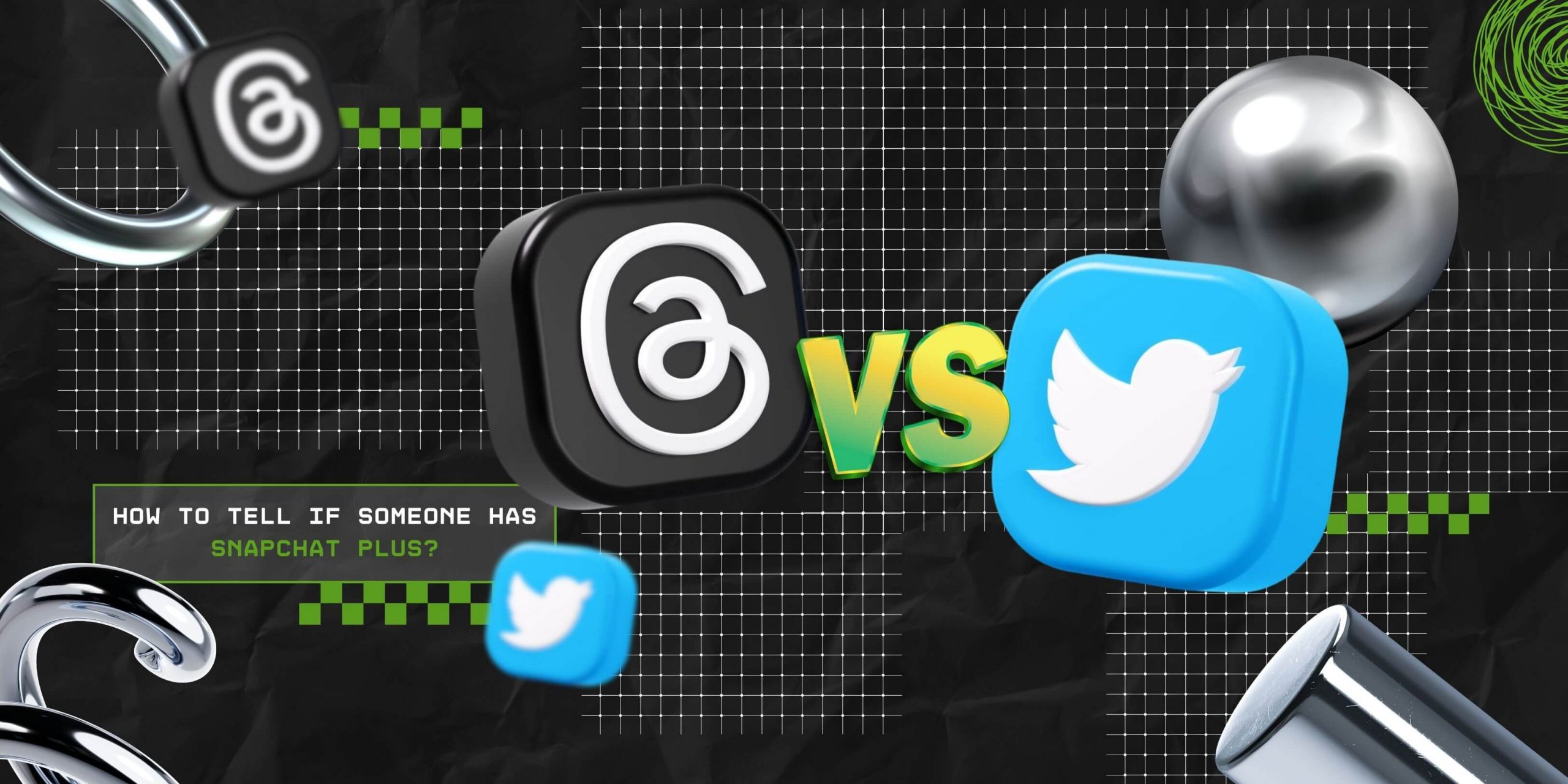
Now, Twitter or X has been in the market for over a decade. Offering a real-time chatroom for diverse brands. But Meta is not sitting idle.
That is, with the launch of Threads, it has combined interaction with brand recognition. So, brands can use it to build community and promote their businesses.
But the real question is— “Which one is better for digital marketing?” Well, sit back cause I am going to dive deep into this Threads vs Twitter debate.
In this comparison blog, I’ll cover the following aspects—
Stay tuned!
Before starting off with the differences, let’s look into these two popular platforms — Threads and Twitter.
For instance, Threads is a brand-new platform created by Meta for community building and brand engagement. But Twitter is a veteran in the digital world.
That is, it emerged as a social media platform. And, now it is the paradigm of debates, conspiracies, and updated news around brands.
So, in 2026, Twitter and Threads cannot give the same results for brand marketing. That is, based on the platform dynamics and features, the results will massively differ.
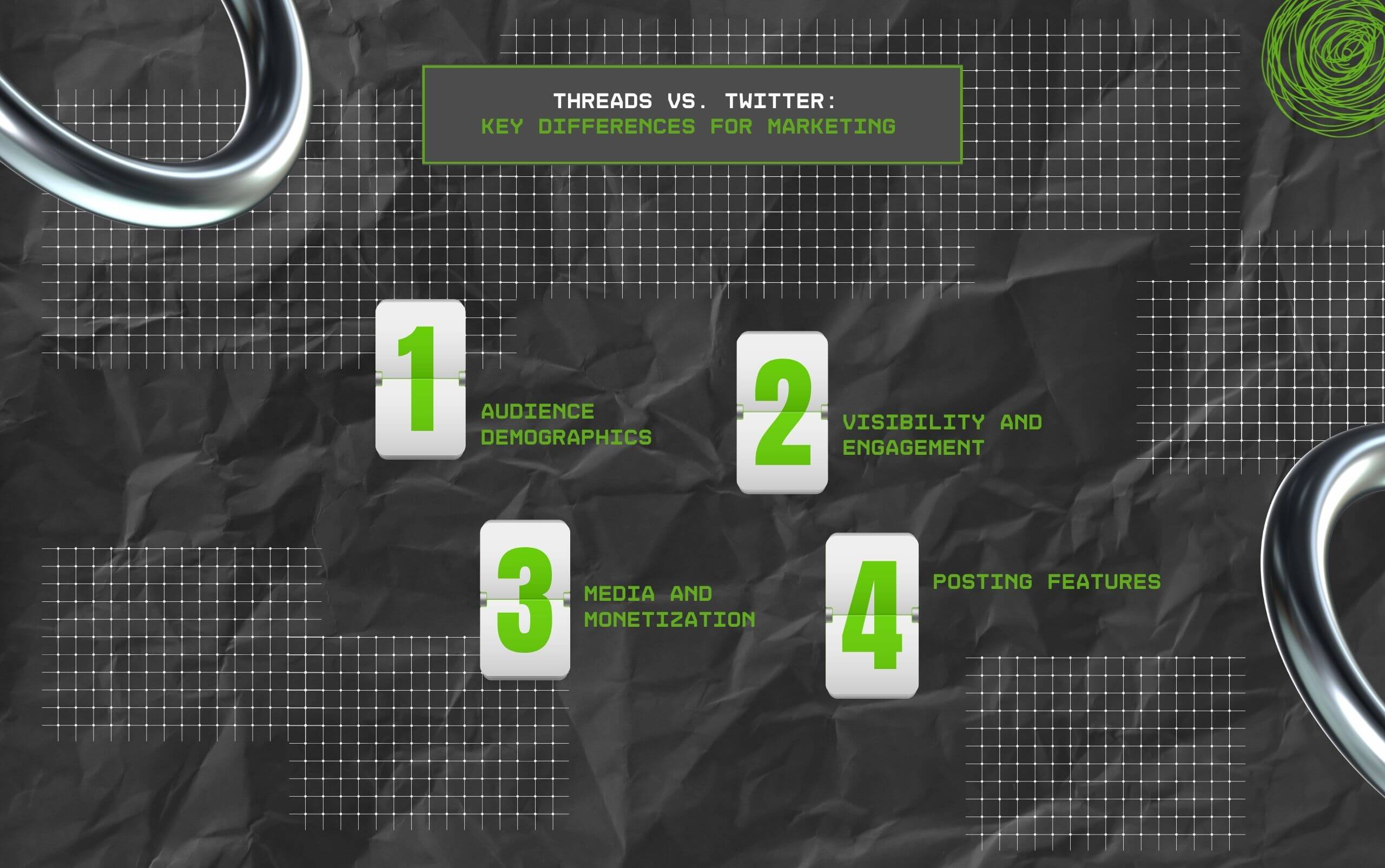
Now, with this idea clear, here are the key differences between Threads and Twitter—
Firstly, the audience demographics in Threads are completely different from those of Twitter. For instance, Gen Z loves Threads for its community-focused design and integrated link to Instagram.
But Twitter is mainly popular among Millennials and the older generation for updates, news, and debatable content. So, both platforms do not cater to the same audience demographics.
Now, coming to the crucial part of digital marketing — visibility and audience engagement.
Similar to Instagram, Threads is focused on prioritizing audience engagement metrics. That is, it targets the audience with creative and storytelling content.
But, on the other hand, Twitter is all about virality and passing moments. Given that the lifespan of a Tweet is around 18 minutes, using the platform properly can make or break brand visibility.
That is, Twitter is all about pushing viral content for maximum engagement. So, it opens the door to a broader audience for brands to promote their products and services.
Unlike its contemporaries, Threads is a new platform. So, it is still working in Beta mode. That is, it has recently rolled out the paid ads feature. Allowing monetization options for marketers.
But Twitter is a veteran in this industry. So, it has a highly optimized and advanced advertising feature. Ensuring businesses can monetize public interactions for high ROI.
Also, it offers a curated set of tools to promote tweets, find trending keywords, and track conversion rates. So, it is easier to promote the brands through various campaigns.
Moreover, the platforms come with different posting features. For instance, Threads has a longer character limit (5,000) compared to the microblogging character limit (280) of Twitter.
Apart from this, Threads allows DMs and multimedia reply options. Setting itself apart from the textual conversations of Twitter.
In addition to this, the interface of Thread is minimalistic with fewer ads. But Twitter is stuffed with promotional content from diverse brands, which can make it look cluttered at times.
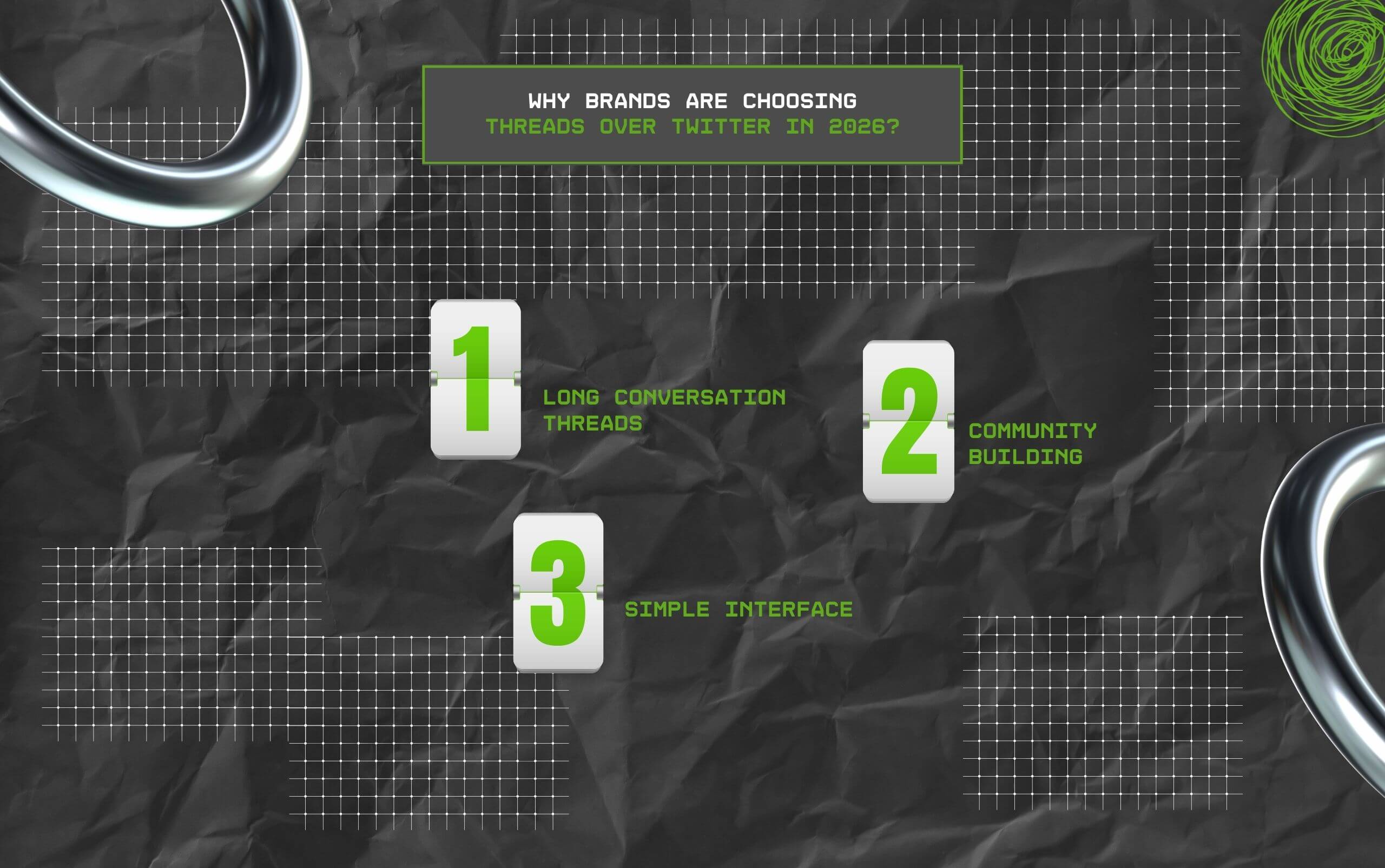
Now, in 2026, brands are looking for a more authentic and credible position on the internet. And, audience engagement is the key to achieving that.
So, naturally, they are more inclined to choose Threads for brand engagement. Some of the core reasons behind this choice include—
Over the years, Twitter has built itself as one of the top-tier social media platforms. But with the emerging evolutions in the digital space, it is rebranding itself.
That is, with Twitter turning into X, it’s just the beginning of the platform to rebrand its values and prospects. So, users can expect better ad management and safety measures in 2026.
On the other hand, Threads is a new platform. But surprisingly, it has doubled its audience base in just a year. Moreover, Meta is backing it up.
So, brands can expect more monetizing and ad management tools by the end of 2026. Also, it shows a promising future for brand engagement and online shopping.
Now, both Threads and Twitter are great platforms. But expecting the same results from them is not right.
So, based on the brand’s needs and goals, choose between Threads vs Twitter and watch your audience engagement skyrocket!
Here, I have curated some common questions around the debate between Twitter and Threads that most digital marketers look for.
Yes, absolutely. Unlike other digital platforms, Threads allows marketers to smoothly run paid ads. That is, they can place the sponsored ads directly into their target audiences’ feeds.
Moreover, marketers can manage these paid ads through the Meta Ad Manager tool. So, it becomes easier to track and modify the ads based on the insights into audience engagement.
Given that both Twitter and Threads allow digital marketers to promote businesses and enhance brand engagement, they can use both platforms.
Now, choosing between these two platforms completely depends on the requirements of businesses. That is, if they need more engagement, they should opt for Threads.
But if they need broader reach and discoverability, Twitter or X is comparatively better. So, based on the business goals, marketers can choose between the two.
Yes, absolutely. That is, Threads offers the perfect digital space for enhancing brand engagement with authentic audience interactions.
Moreover, Threads is designed with a more community-building and conversation-focused model. So, it prioritizes engagement over other performing metrics, making it better for brand engagement.
Chandrima is a seasoned digital marketing professional who works with multiple brands and agencies to create compelling web content for boosting digital presence. With 3 years of experience in SEO, content marketing, and ROI-driven content, she brings effective strategies to life. Outside blogging, you can find her scrolling Instagram, obsessing over Google's algorithm changes, and keeping up with current content trends.
View all Posts

The Keyword With 10 Searches That Sent Ahrefs...
Sep 24, 2026
Paying Freelance Writers In Ten Countries: An...
Sep 24, 2026
GroomPanel Vs Other SMM Panels: What Makes It...
Sep 24, 2026
The Traffic-to-Revenue Gap: Why More Website ...
Sep 17, 2026
The Volatility Trap: What Crypto Position Siz...
Sep 17, 2026