
KeywordStat Review: Keyword Research, Clustering & SEO Data Compared
Oct 03, 2026
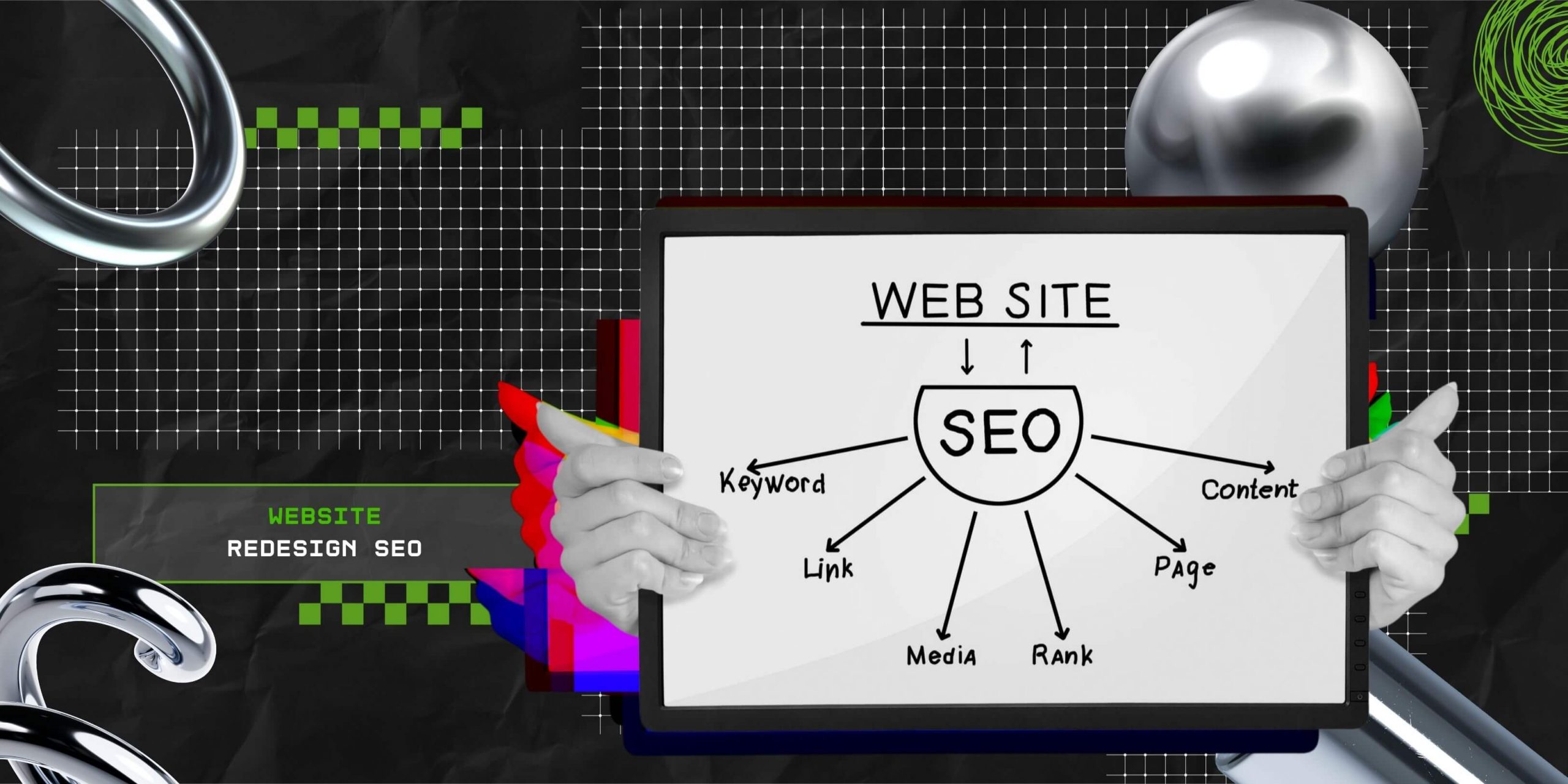

Similar to an unplanned home renovation, redesigning a website without a proper guide can reap catastrophic results.
Especially its SEO performance. That is, it can massively affect—
Now, whether you want to retain or improve the SEO, you need a proper guide.
Moreover, with a proper pre- and post-website redesign SEO checklist, the entire process becomes easier.
That is, it helps in traversing the risky path with the right cautionary methods. Making the transition smooth and seamless.
But the real question is— where to find one? Well, no need to look any further, I have brought you the ultimate guide on website redesign SEO. Here, I will delve into—
Stay tuned!
To explain in simple terms, website redesign SEO comes with a set of practices and methods.
Now, these practices help brands and marketers to ensure that redesigning the website has minimal impact on its SEO performance.
That is, its comprehensive set of methods and tactics helps businesses and brands to avoid common SEO issues with redesigned websites, like—
So, it helps in planning the redesign process based on the SEO needs, addressing the common issues with the current version.
Moreover, checking the SEO performance early on during the redesign process can help avoid these pitfalls. So, the revamped website can perform better than its older version.
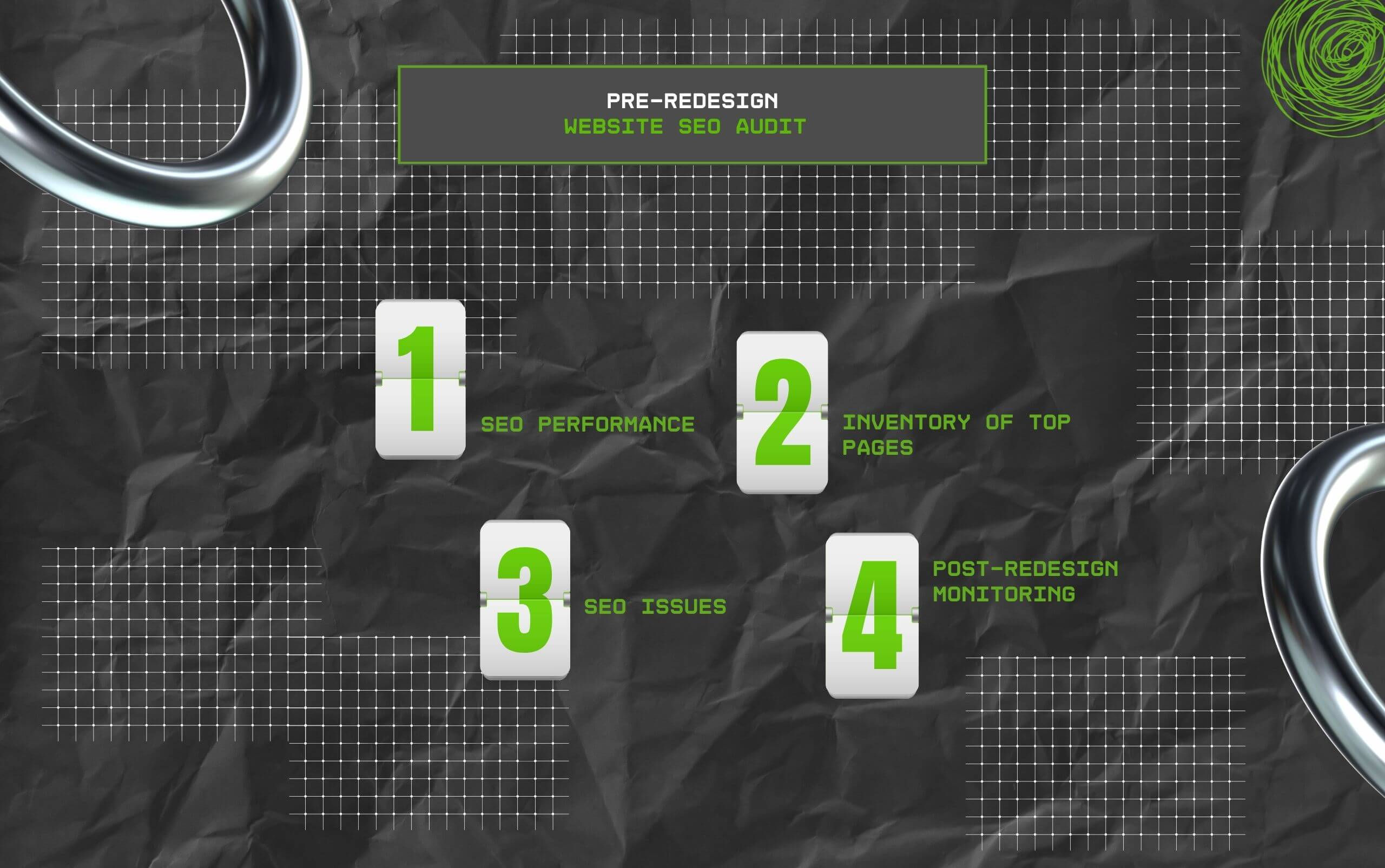
Now, before starting off with the website redesigning, it is vital to have audited the current version. That is, this will help in creating a benchmark for further processes.
So, here is the pre-website redesign SEO audit checklist—
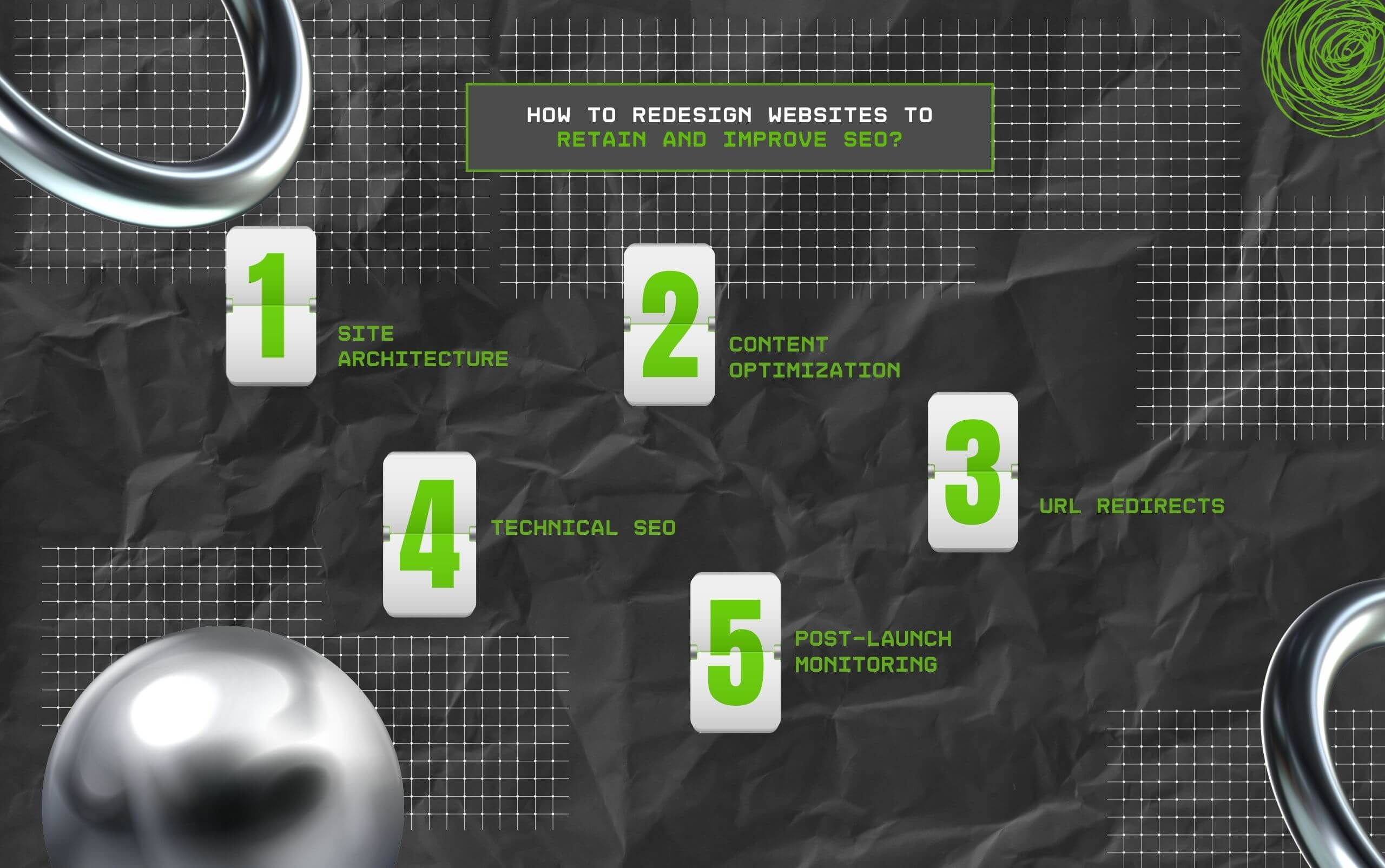
Now, to ensure you are following the right website redesign guide, here are the steps to improve and retain the SEO performance—
Firstly, the navigation and site structure of the website need to be planned. That is, brands and marketers can keep planned information on the SEO metrics.
Then, optimize the internal links for a better hierarchical content structure. This way, readers can navigate through the content without needing guidance.
In addition to this, the site should be designed with a mobile-first style and a user-friendly navigation system. So, readers and users can smoothly browse the site.
Now, the older version often contains high-value content pages. So, if redesigning removes the content, it is better to re-index the new pages after running the new design.
In addition to this, the new content on the site should be optimized properly. That is, it should contain SEO-optimized titles, meta descriptions, schema markup, and headings.
Moreover, brands should avoid creating content. That is, if a page is available from the older version, then avoid creating a new version.
One of the common issues with the redesign of websites is that the old URLs become broken links. So, brands need to use the 301 redirects for these lost URLs.
In addition to this, if there are too many broken links, removing them to maintain the equity is a good idea. This will maintain the balance of the outbound links on the new website.
Apart from the URLs, addressing the technical SEO issues with the right resolution can help in revamping the website.
That is, brands need to optimize the website with high loading speed, core web vitals, and a mobile-friendly design. This will ensure that the site works fine on mobile devices.
In addition to this, brands need to check the crawlability and indexation of the content pages. So, if there are pages that have lost their indexation, brands can re-index them.
Moreover, after running the redesign of the website, brands should update the sitemap.
That is, the structure of the website has changed. So, updating the schema markup and XML will help in the indexation of the new design.
Now, here is what most brands and marketers ignore — monitoring the post-launch performance of the website.
That is, when brands keep an eye on the post-website redesign SEO, they can easily identify the issues and resolve them before they snowball and affect the performance.
So, against the pre-audit data, match the audit data of the new websites. That is, measure the traffic, rankings, and crawlability, tallying them against the previous data.
Now, based on the data, find the issues that impact the performance of the newly designed website and address them. Fixing them can further help in improving the SEO.

Revamping a website’s design can massively impact its SEO performance. But whether it improves or destroys the performance lies on brand’s planning.
Moreover, redesigning the websites can improve the overall user experience. So, it can improve the traffic and conversion rates on the site.
In addition to this, this redesigned website can essentially help with better engagement.
So, what are you scared of? Just follow this guide and revamp your website, making it user-friendly and aesthetic without compromising on the SEO performance.
Here, I have curated some of the common questions that most users often look for while redesigning their website SEO.
Yes, absolutely. Redesigning a website can definitely hurt its SEO performance, impacting its organic traffic, changing URLs, and deleting content pages.
So, brands and marketers must take the proper measures to ensure that the websites have no broken links, content preservation, and mobile optimization.
To ensure that none of the URLs are lost during the website redesigning, it is better to keep a record of all the content pages and outbound links.
So, post-redesign, if any page is lost or the link is no longer available, brands and marketers can fix them from the inventory.
This way, they can ensure that the site is working fine with the revamped design. Improving the SEO performance of the website.
Given that redesigning a website can take away its indexing from the search engine’s inventory, it is vital to re-index the pages.
That is, brands and marketers need to provide a new XML sitemap for the redesigned website. So, the search engines can crawl and index the new pages after removing the old pages.
Additionally, they can use third-party tools like Ahrefs and ScreamingFrog to check the indexed pages. So, they can fix any indexation issues after the website is redesigned.
Since the new design of the website affects the sitemap, it is important to update the XML sitemap for better indexing and website structure.
Also, the new website design often changes the URL structures, removes indexed pages, and creates broken links. So, updating the sitemap can help in re-structuring the new website.
Chandrima is a seasoned digital marketing professional who works with multiple brands and agencies to create compelling web content for boosting digital presence. With 3 years of experience in SEO, content marketing, and ROI-driven content, she brings effective strategies to life. Outside blogging, you can find her scrolling Instagram, obsessing over Google's algorithm changes, and keeping up with current content trends.
View all Posts

KeywordStat Review: Keyword Research, Cluster...
Oct 03, 2026
How Corda Turns Authority Data Into Campaigns
Oct 01, 2026
How To Audit Your Search Visibility In 2026: ...
Sep 30, 2026
What Is Google Lighthouse? A Practical Guide ...
Sep 30, 2026
When Can You Save A Public Instagram Story?
Sep 30, 2026