How To Get Your Brand Cited In AI Search Results In 2026
Oct 22, 2026

Most guides make this sound technical. TBH, it’s not.
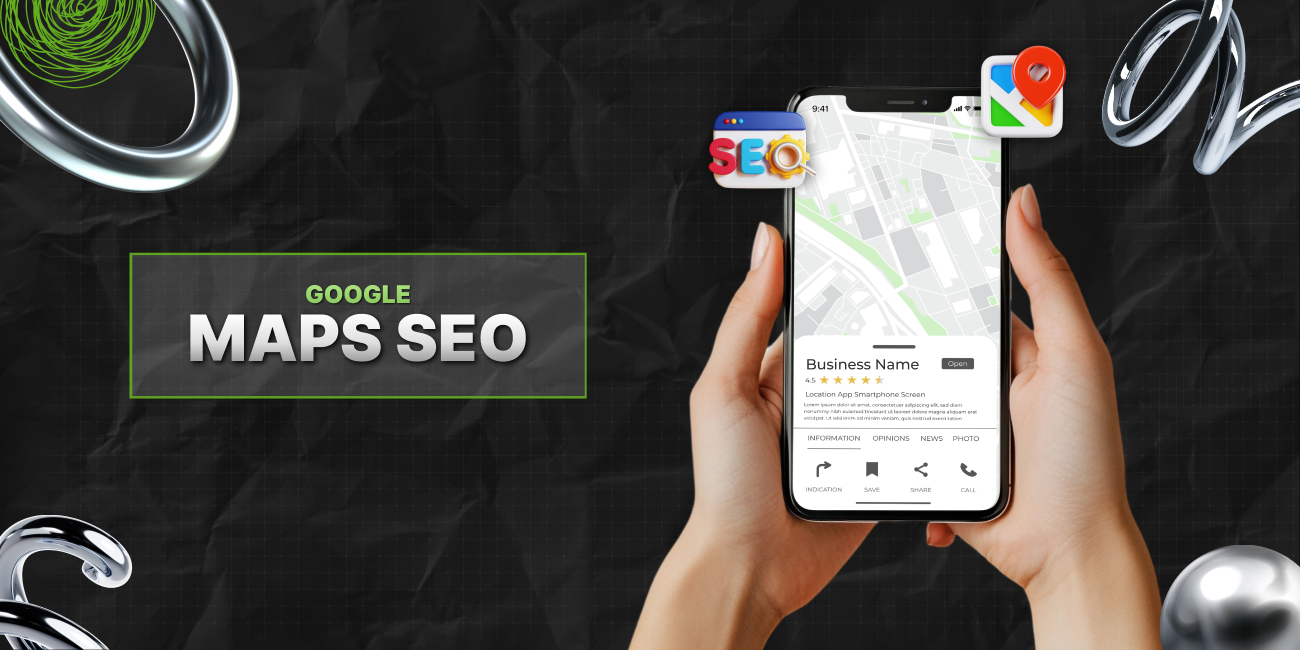
Google Maps SEO is about one thing: convincing Google and real people that your business is active, relevant, and trusted right now.
So, if you’re not showing up, it’s usually not because of one big mistake. Instead, it’s the small gaps that add up.
And that is precisely why I am here to discuss Google Maps and what actually moves you into the top results.
Stay tuned.
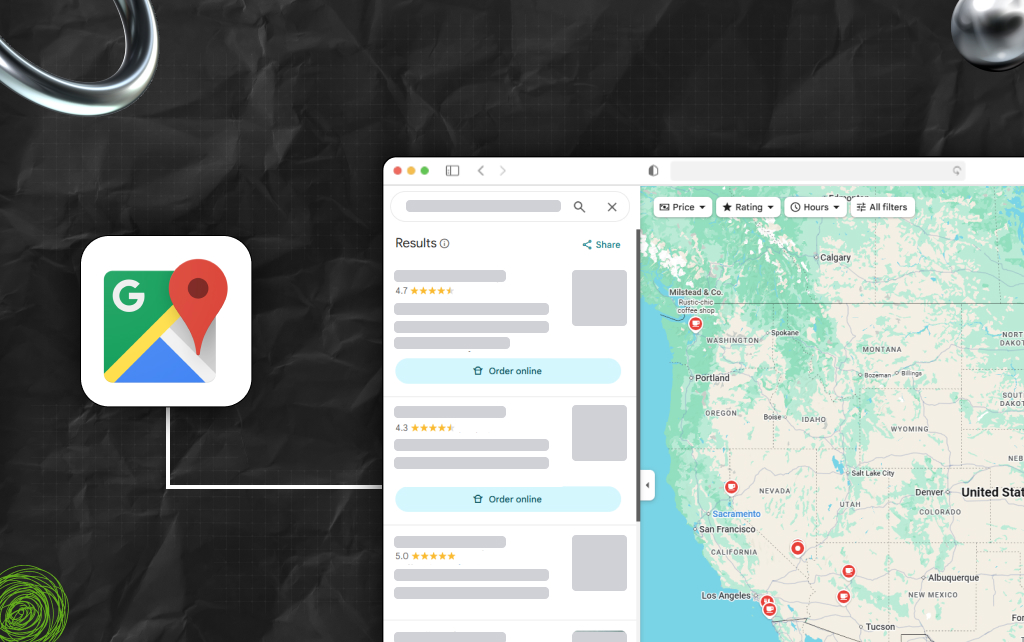
It’s not complicated. Google Maps SEO is about helping your business appear in local search results.
That usually means the “map pack,” the top three listings people see first. Having said that, understand that our ranking depends on a few clear things:
You can’t control distance. But you can control the rest.
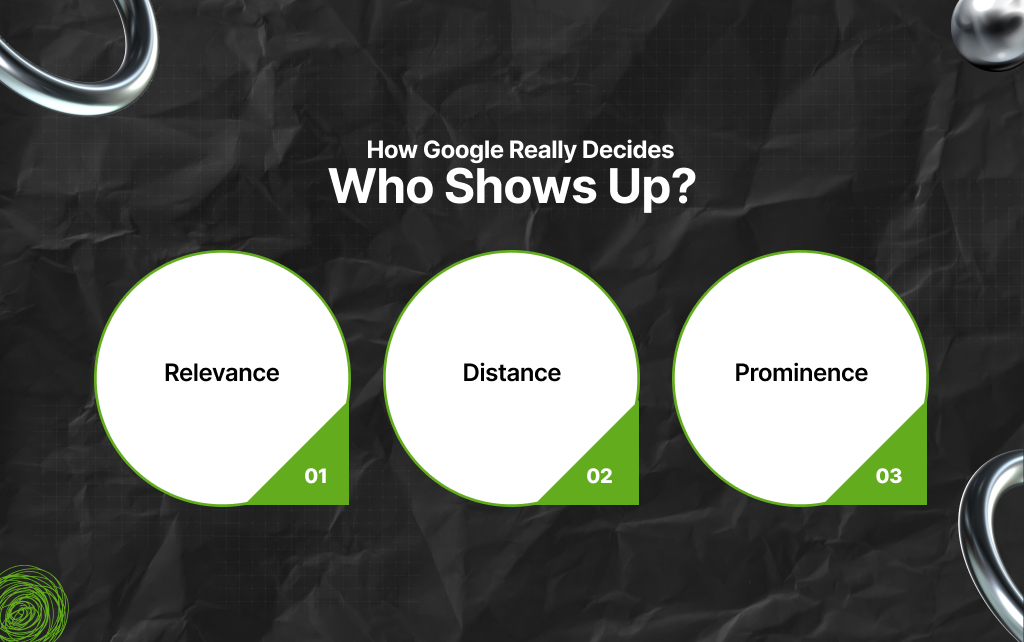
Google looks at three things. But the way they play out in real life is what matters. On that note, let’s look at the three parameters in detail.
Does your business match what the person searched for? Not just your category but your description, services, and even reviews influence this.
So, if someone searches “best brunch cafe,” and your reviews mention brunch often, you have an edge.
You can’t control this fully. But here’s what most people miss: Google doesn’t always pick the closest business.
Instead, it picks the most relevant within a reasonable distance. So if your profile is stronger, you can outrank closer competitors.
Prominence is the most significant parameter in this context. Understand that it is all about how “established” your business looks online.
And that includes:
This is where most rankings are won or lost.
They set up their profile once and forget it. From Google’s point of view, that looks like an inactive business.
And inactive listings don’t get pushed to the top.
As a result, it is obvious that you don’t need to do a lot. But you do need to stay active.
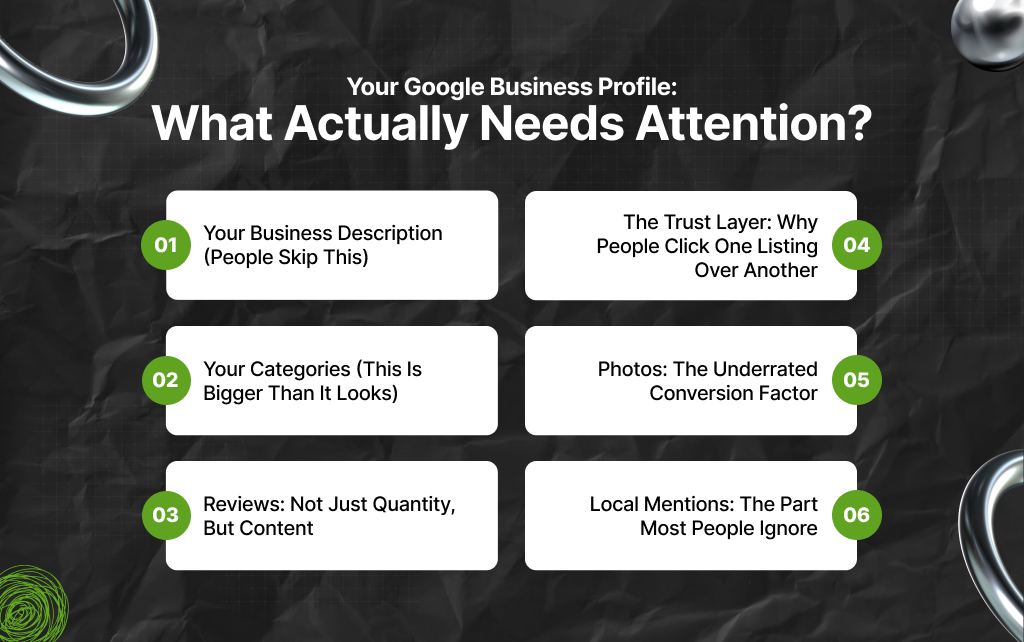
Most people fill in the basics and stop. But that’s not enough.
As a result, here’s what actually makes a difference:
Don’t write something generic. Instead, describe what you actually do in plain language.
For example, a bad business description would read somewhat like: “We offer quality services to our customers.”
In contrast, a good business description would say something like: “We run a small cafe known for brunch, coffee, and quick weekday lunches.”
So one thing is clear in this context – clear language helps Google match you to searches.
Your primary category decides most of your visibility. So, you should always pick the most specific one that fits.
Then add a few supporting categories, but don’t overload it. Also, remember that too many weak categories dilute your relevance.
Most advice stops at “get more reviews.” That is incomplete advice and, in most cases, doesn’t work out.
After all, what people write in reviews matters.
So, if customers mention your services, location, and specific experiences, Google uses that information to better understand your business.
As a result, instead of asking for “a review,” guide it slightly: “Would you mind mentioning what you liked about the service?”
That small nudge improves your relevance.
Instead of just collecting reviews, respond to them.
This is because people read responses more than you think.
Ranking is only half the job because people still choose – so it all boils down to the choice of users on the page featuring your business and competitors in the niche.
When someone sees your listing, they scan quickly:
So, if your profile looks outdated, they skip you, even if you rank well. Your business profile needs to be active and updated with recent informations – that way, you can win people’s trust.
Photos don’t just make your listing look good. Instead, they answer silent questions like “Is this place clean?” or “Does it feel crowded?”
Also, photos ultimately help you decide: “Is it worth visiting?”
As a result, you need to prioritize photos. For starters, add real photos of:
Remember, stock-like images don’t build trust – instead, real ones do.
Google looks beyond your profile.
So, if your business is mentioned on local directories, news sites, blog posts, and event listings, then it builds credibility.
Of course, you don’t need hundreds. Even a few solid mentions help.
If you want results, don’t try everything at once.
Do this instead:
| Timeline | Activity |
|---|---|
| Week 1 | Fix your profile | Complete everything | Clean up details. |
| Week 2 | Ask 5–10 customers for reviews | Focus on quality, not just numbers. |
| Week 3 | Add 10–15 real photos | Spread them across different days. |
| Week 4 | List your business on 3–5 trusted local directories. |
That alone can shift your visibility – if you follow this timeline for a month, you wil see the results for yourself.
Just ensure you are consistent, organic, and optimized.
Also, if you are not ranking yet, don’t panic.
Check these first:
So, just fix the basics before trying advanced tactics.
This is where most people feel stuck. You won’t win by doing the basics once. Instead, you win by doing them consistently.
Consistency is really key – and most businesses fail to make the most of their Google Maps SEO strategy because they are not consistent.
So, just ensure that there are more reviews over time. And not just more reviews but more updates – the point? To show Google that there is an increase in activity.
Trust me, it compounds. And slowly, you move up.
Spend 10 minutes, once a week, updating your business profile. Here are three things I do for my business profile every 1o days.
That’s it. Most competitors don’t even do this – and if you can do this, you will emerge victorious over time.
Google Maps SEO is not about tricks or shortcuts. Instead, it’s about looking like a real, active, trusted business every single week.
So, if your profile reflects that, you don’t just rank better – you also get chosen more often.
And that’s what actually matters.
Barsha is a seasoned digital marketing writer with a focus on SEO, content marketing, and conversion-driven copy. With 8+ years of experience in crafting high-performing content for startups, agencies, and established brands, Barsha brings strategic insight and storytelling together to drive online growth. When not writing, Barsha spends time obsessing over conspiracy theories, the latest Google algorithm changes, and content trends.
View all Posts

How To Get Your Brand Cited In AI Search Resu...
Oct 22, 2026
The Ultimate Blueprint For Broken Link Buildi...
Oct 16, 2026
The Ultimate Guide To Stealing Your Competito...
Oct 15, 2026
Beyond The Basics: Master Guest Posting For H...
Oct 15, 2026
Best Generative Engine Optimization (GEO) Com...
Oct 14, 2026