PRNEWS Rewards Adds Rankfor.AI To Track How Brands Show Up In AI Assistants
Oct 10, 2026
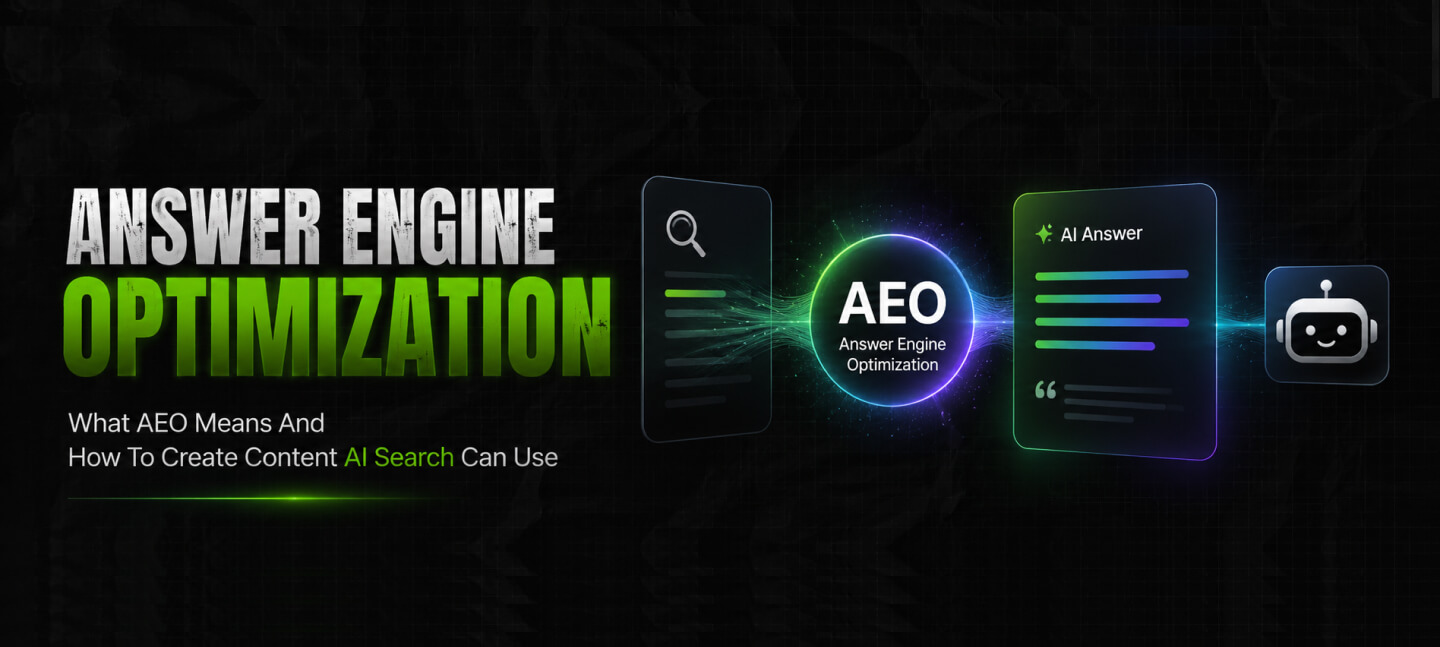

Search is changing.
People still type keywords into Google, but they are also asking complete questions in ChatGPT, Google’s AI features, Perplexity, Gemini, and other AI-powered tools.
And they often expect a direct answer.
That creates a new challenge for content teams. It is no longer enough to ask, ‘How do I get this page to rank?’
Also, it is essential that you ask how you can make this information valuable enough for any answer engine to select, understand, and even present.
And this is precisely where AEO, A.K.A Answer Engine Optimization, steps in to save the day.
With AEO, you can structure and improve content so answer-focused search systems can understand it and potentially use it when responding to a user’s question.
But there is an important distinction.
AEO is not about finding a secret formula for getting mentioned by AI. There is no guaranteed AI optimization score.
Instead, good AEO starts with something much more familiar: Answer the question clearly, accurately, and completely.
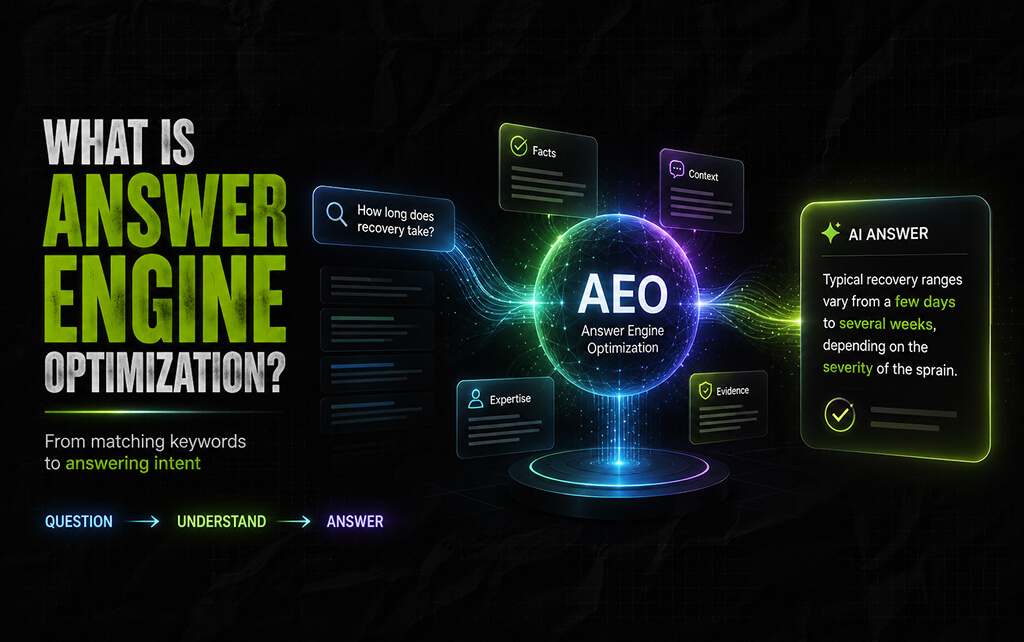
Answer Engine Optimization is the process of creating content that helps search engines and AI-powered answer systems identify, understand, and use information when responding to questions.
Traditional SEO often focuses on visibility in search results. AEO focuses more heavily on answerability.
For example, someone might search, ‘How long does it take to recover from a sprained ankle?’ A traditional SEO strategy might target:
However, an AEO-focused strategy asks a slightly different question: Can the page provide a clear, trustworthy answer to that question?
That means the article should probably explain:
The goal isn’t simply to include the phrase. The goal is to answer the need behind it.
An answer engine is a system designed to provide an answer rather than simply return a list of links.
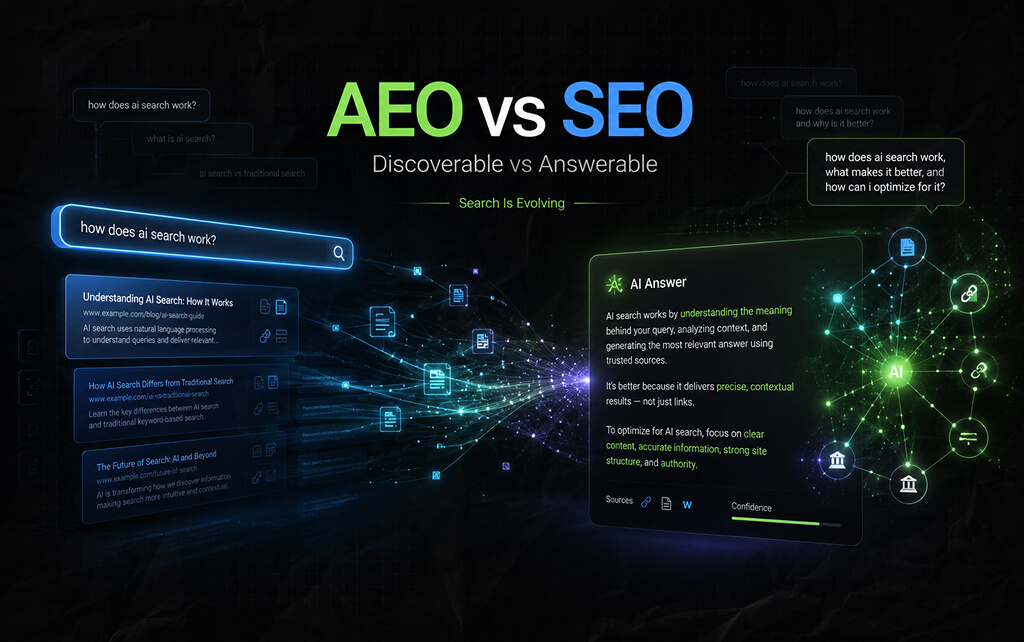
Traditional search often looks like: Query → Search results → User chooses a page.
An answer-focused system may look more like: Question → Retrieve information → Generate or present an answer.
Examples can include AI-powered search experiences and conversational systems.
Some use information retrieved from websites. Others may combine web results with information from their own models or databases.
The exact technology differs between platforms. But the user expectation is similar: Give me the answer.
No. But the two overlap heavily. AEO does not replace SEO.
In many cases, the fundamentals that make a page useful for traditional search also make it useful for answer engines.
For example:
The difference is largely in the outcome you’re trying to support. SEO often asks: Can people discover this page through search?
AEO asks: Can a system understand and use the information on this page when answering a question?
Frankly, search is evolving, and people don’t search like before – things have changed a lot in the past few years.
Instead of asking Google about the best CRM for small businesses, people now might ask, which is the best CRM for a small sales team with a limited budget.
That query contains much more context.
It also creates a different expectation. The user doesn’t want to browse 20 pages before reaching a conclusion. They want help making a decision.
AI-powered search makes this behavior even more natural. People can ask follow-up questions.
They can refine their request. They can ask for comparisons. Also, they can ask for explanations. That makes clear, answer-focused content increasingly valuable.
The easiest way I can explain the difference between AEO and traditional SEO is through an example.
So, if someone asks ‘what is a canonical tag,’ any traditional SEO blog will use ‘canonical tag’ as the focus keyword and discuss the concept in a longer content format.
However, any AEO-focused content will ensure that the content clearly describes a canonical tag before moving on to related topics, including:
The detailed explanation still matters. But the answer is easy to extract and understand.
In this section, I’ll break down how you can create content that AI search can understand and use in 2026:
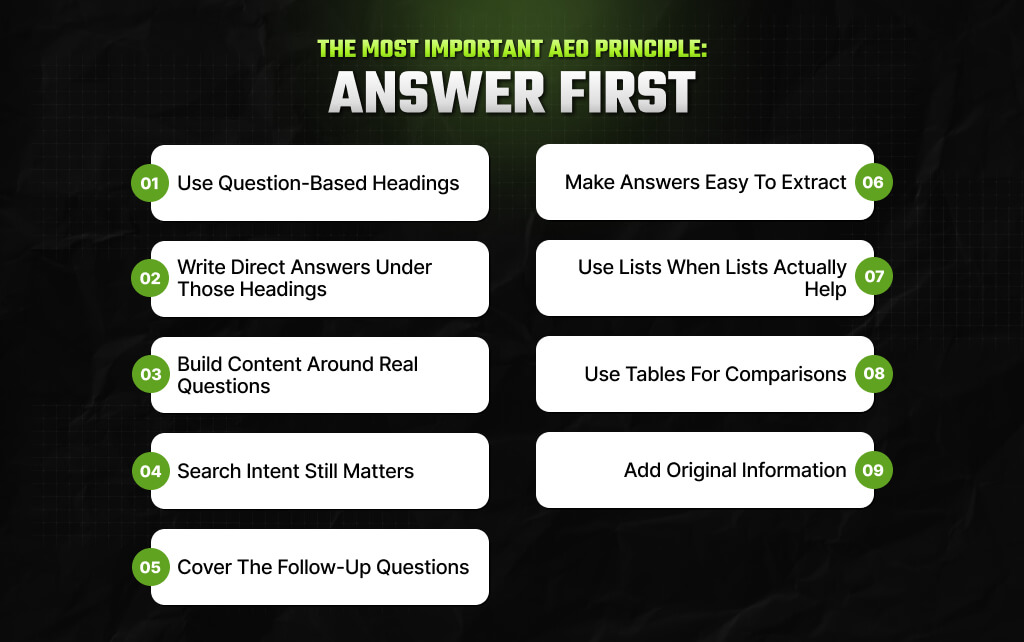
Don’t make readers hunt for the answer.
If your page is about ‘What is vector search?,’ start with the definition. If it’s about ‘How does Google Search Console work?’ explain what it does early.
If it’s about ‘How much does a divorce lawyer cost?’ explain the major cost factors near the beginning.
You can add nuance later. This creates a better experience for both readers and systems trying to identify the page’s main answer.
Question-based headings can make content easier to navigate.
For example:
These headings clearly communicate what each section answers.
But don’t turn every heading into a question simply because you think AI systems prefer questions.
Use question headings when they genuinely help organize the information.
If the heading asks ‘What Is Answer Engine Optimization?’ Don’t begin with ‘In today’s rapidly evolving digital ecosystem, organizations increasingly need to…’
Get to the point.
Answer Engine Optimization is the practice of creating content that makes information easier for search and AI systems to identify, understand, and use when answering questions.
Then explain the concept. This structure helps the reader immediately understand the section.
AEO starts before writing. Research the questions your audience actually asks. These can come from:
Don’t just collect questions. Look for recurring problems. For example, if you sell accounting software, users may ask:
Those questions reveal what your audience actually needs.
AEO doesn’t eliminate search intent. It makes it more important. Consider. ‘What is a mortgage?’ The user wants education.
‘How do I apply for a mortgage?’ The user wants instructions. ‘Best mortgage lenders near me.’ The user is looking for options.
‘Mortgage calculator.’ The user wants a tool. A page answering the wrong intent can contain excellent information and still be unhelpful.
So before optimizing for an answer, identify what kind of answer the user needs.
One question often creates another. Suppose someone searches ‘What is a situationship?’ They may then want to know:
A strong resource anticipates these natural follow-ups. This is where AEO can overlap with topical coverage.
You’re not creating five paragraphs to target five keywords. You’re building an information path around the user’s problem.
Answer engines need to identify useful information. That means your writing should avoid unnecessary ambiguity.
Compare ‘There are several things that can influence whether this approach is suitable depending on the situation,’ with ‘The approach works best for small teams with fewer than 20 employees.’
The second statement is easier to understand. It also gives the reader something concrete. When a claim matters, say exactly what you mean.
Some questions naturally have list-based answers. For example, ‘What should I look for in a car accident lawyer?’
A useful answer might include:
A list makes the information easy to scan. It can also make the underlying structure of the answer clearer.
But don’t turn every paragraph into a bullet list. Use lists when the information is genuinely list-shaped.
Tables can be particularly useful for comparison queries. Suppose someone asks, ‘What’s the difference between Paired, SumOne, and Between?’
A table can quickly show:
| Feature | Paired | SumOne | Between |
|---|---|---|---|
| Daily questions | Yes | Yes | No |
| Shared memories | Yes | Yes | Yes |
| Relationship exercises | Strong focus | Some | Limited |
| Private couple space | Yes | Yes | Yes |
| Virtual companion | No | Yes | No |
The table doesn’t replace the explanation. It makes the comparison easier to understand.
This is where AEO connects directly with Google’s broader content-quality principles. You don’t want to create a page that simply rephrases information already available everywhere.
Ask: What does this article add?
That could be:
For an app review, for example, don’t stop at ‘SumOne has daily questions.’ Explain what those questions are like. Explain who would enjoy them or where the app becomes repetitive.
Also, explain whether the free version is sufficient and how it compares with alternatives. That is much more useful.
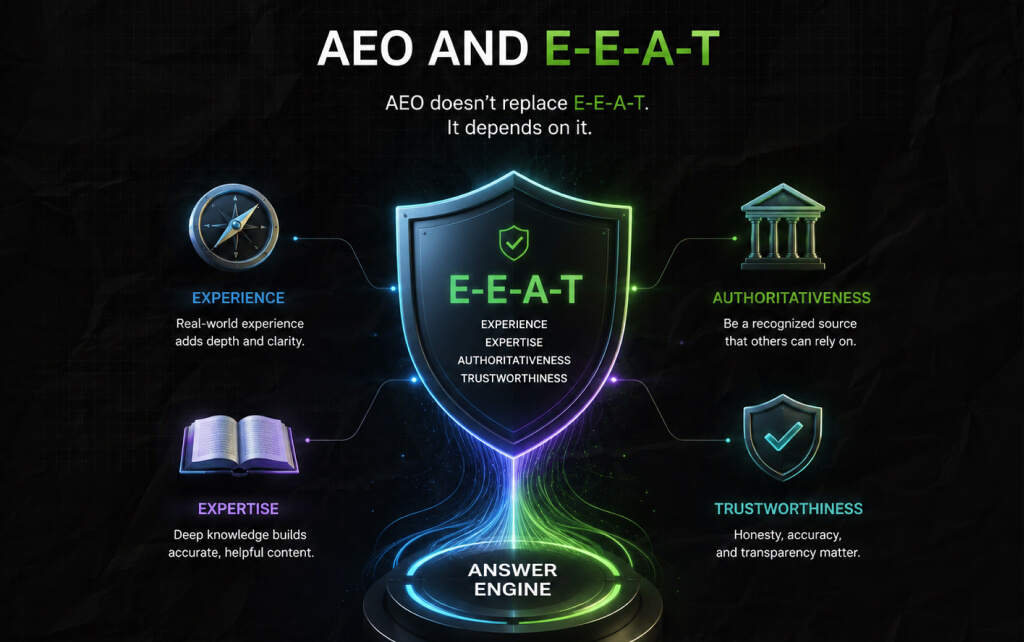
AEO doesn’t replace E-E-A-T, which stands for: Experience, Expertise, Authoritativeness, and Trustworthiness.
If your content deals with an important topic, answer engines need reliable information to work from. That makes source quality important.
For example, if you’re writing about ‘Google Search,’ use Google’s own documentation where appropriate.
If you’re writing about ‘A medical condition,’ use credible medical sources and qualified expertise.
If you’re reviewing an app, make it clear whether you actually tested the app or are relying on publicly available information.
Don’t manufacture experience. That matters for both readers and search quality.
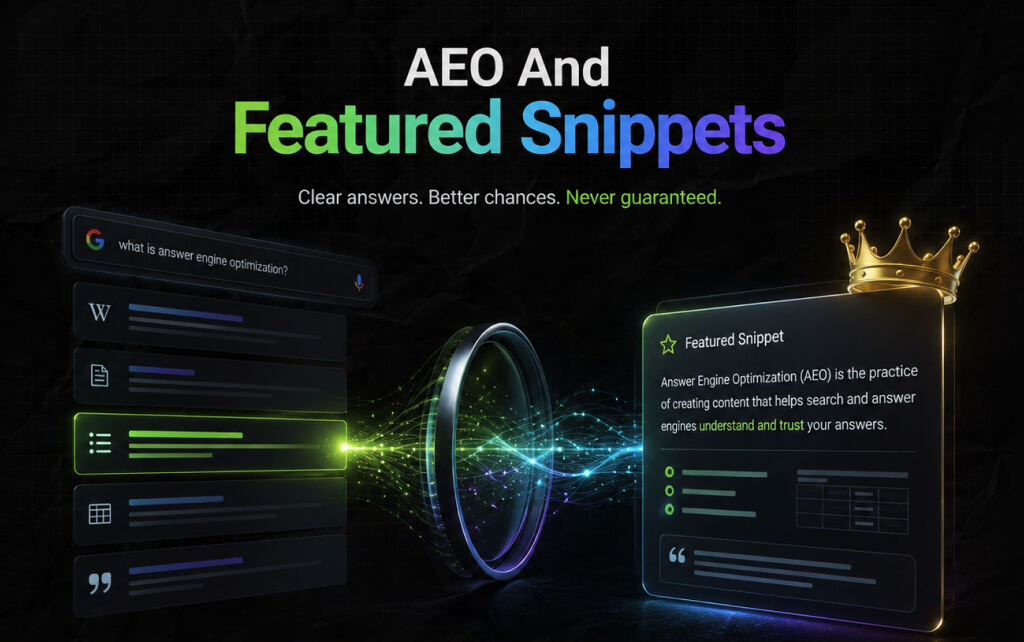
AEO is often associated with Google’s featured snippets. That connection makes sense.
Featured snippets are designed to provide direct answers to certain queries.
Clear definitions, concise explanations, lists, and tables can make information easier for search systems to understand.
But don’t assume ‘If I format my answer correctly, Google will give me a featured snippet.’ There is no guaranteed format.
Google decides which results to show. Formatting helps usability. It is not a ranking hack.
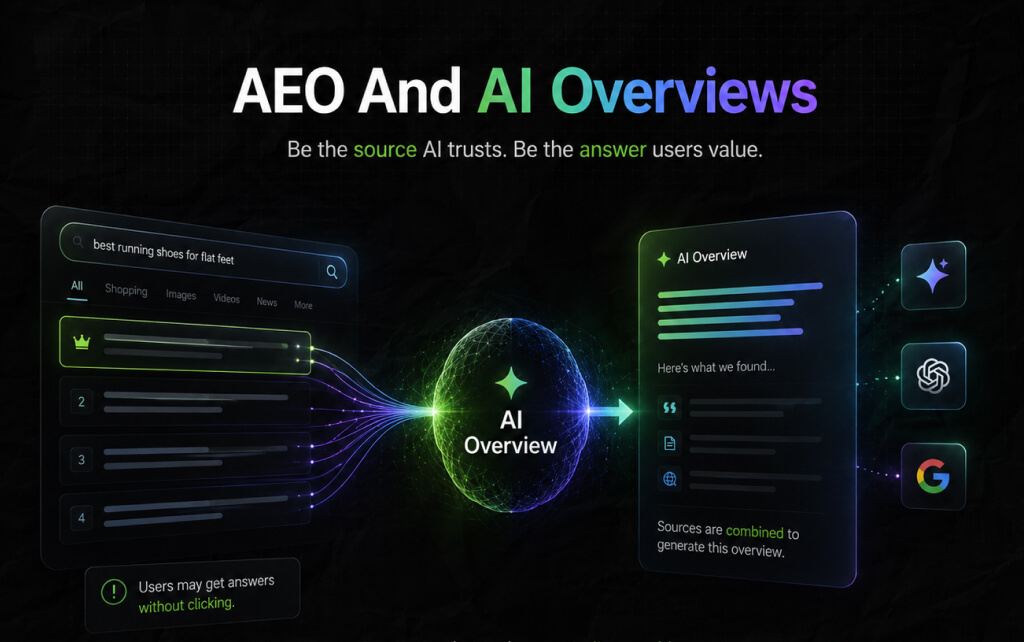
Google’s AI-powered search experiences make this conversation more complicated. AI-generated answers can synthesize information from multiple sources.
That means users may receive an answer without clicking a traditional blue link first.
For publishers, this creates a new concern: How do we remain useful and visible when search answers more of the question directly?
The answer isn’t to write artificially for AI. Instead, focus on becoming a strong source of information.
That means:
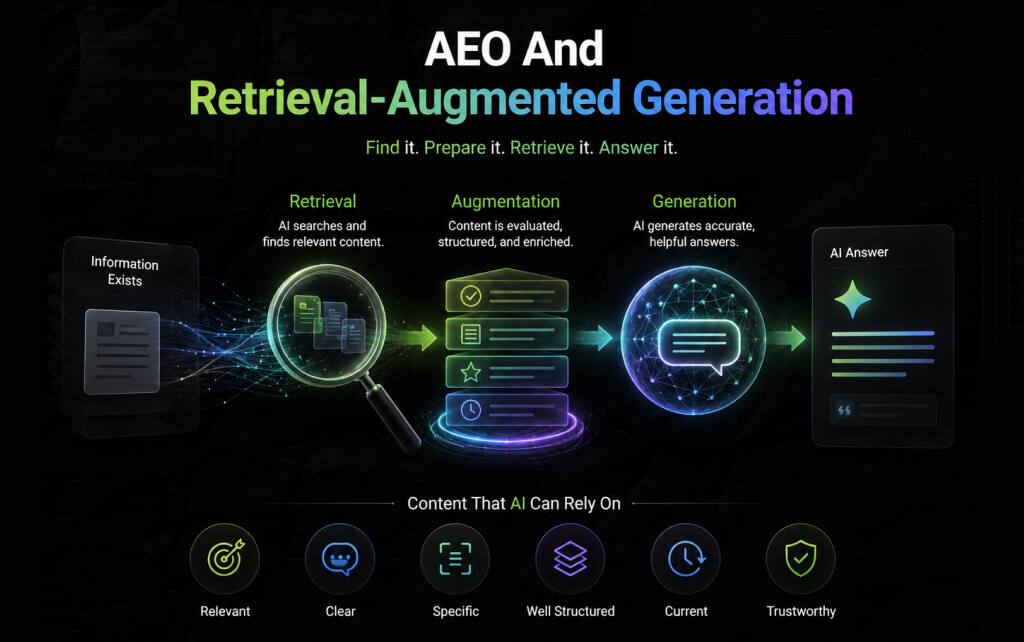
This connects directly with the previous topic. RAG systems retrieve information before generating an answer.
If a system is searching a website or knowledge base, the underlying content needs to be:
This creates an interesting relationship:
SEO helps information get discovered. AEO helps information become answer-ready. RAG helps AI systems retrieve information before generating responses.
These aren’t identical concepts. But they increasingly overlap.
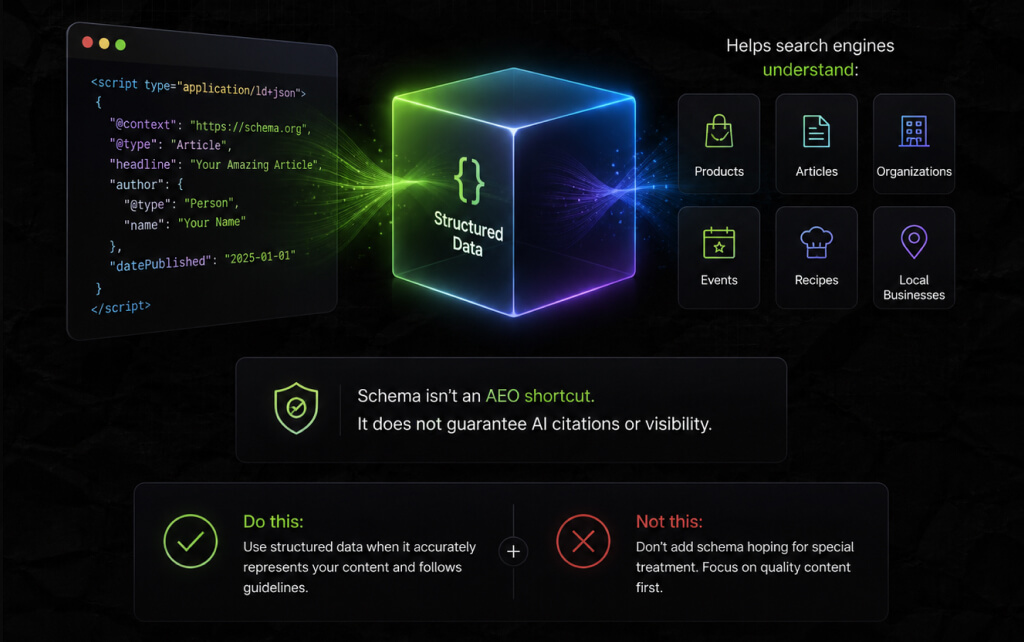
Structured data can help search engines understand specific types of information. Depending on the page, this can include structured data for:
But schema isn’t an AEO shortcut. Adding structured data does not guarantee that an AI system will cite your content.
Use structured data when it accurately represents the content on the page and follows the relevant search-engine guidelines.
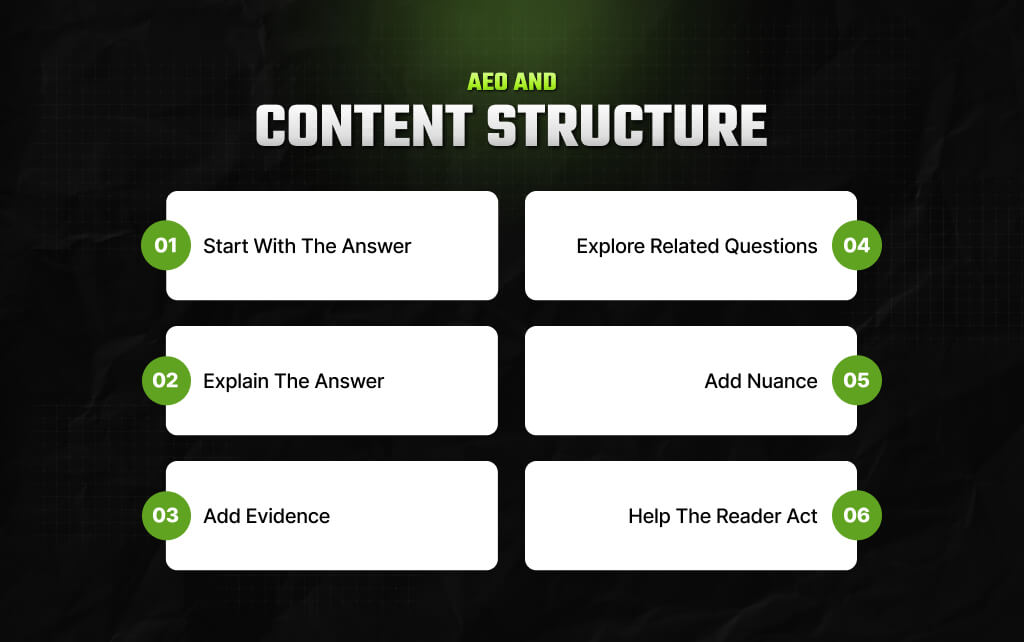
A strong AEO page often follows a simple information hierarchy.
1. Start with the answer: Give the reader the core information.
2. Explain the answer: Provide context and definitions.
3. Add evidence: Use credible sources, examples, or first-hand observations.
4. Explore related questions: Address the natural follow-ups.
5. Add nuance: Explain exceptions and limitations.
6. Help the reader act: Give practical next steps.
This structure works because it follows how people actually consume information.
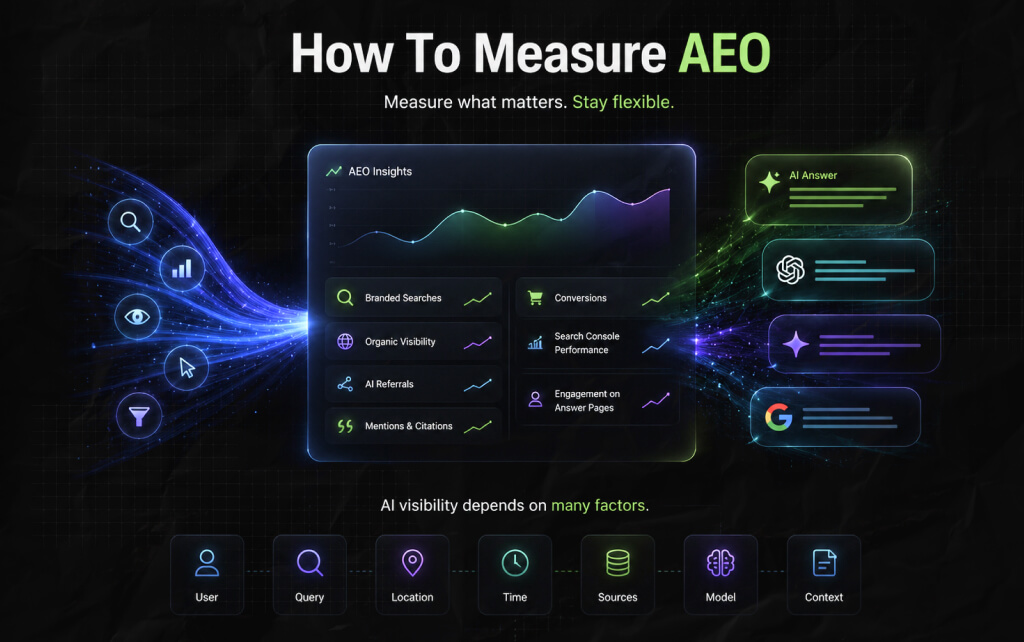
This is one of the harder parts. Traditional SEO has relatively familiar metrics:
AEO can be harder to measure because answers may appear without a click. You can still monitor:
But don’t treat AI visibility as a single universal metric. Different answer engines work differently. And their outputs can change based on:
So AEO measurement needs to remain flexible.
The most interesting part of AEO isn’t the acronym. It’s the shift in how people consume information.
Search used to be heavily focused on: Find → Click → Read → Compare
AI-assisted search increasingly supports: Ask → Receive → Follow up → Decide
That doesn’t mean websites disappear. People still need detailed information. They still need original research.
They still need product pages, documentation, reviews, expert analysis, and primary sources. But the way information gets discovered is changing.
That means content needs to work in more than one environment. A good page should be useful when someone:
That is a much better goal than simply trying to rank for AEO. Answer Engine Optimization is not a replacement for SEO.
It is a way of adapting content to a search environment where answers matter as much as rankings.
The most effective AEO strategy is surprisingly straightforward:
If your entire strategy is based on getting an AI system to mention your brand, you’re focusing on the output rather than the reason it might mention you in the first place.
Become a genuinely useful source. That’s the part of AEO that is most likely to survive whatever search looks like next.
Barsha is a seasoned digital marketing writer with a focus on SEO, content marketing, and conversion-driven copy. With 8+ years of experience in crafting high-performing content for startups, agencies, and established brands, Barsha brings strategic insight and storytelling together to drive online growth. When not writing, Barsha spends time obsessing over conspiracy theories, the latest Google algorithm changes, and content trends.
View all Posts

PRNEWS Rewards Adds Rankfor.AI To Track How B...
Oct 10, 2026
Is Serpstat Worth It? A Deep Dive Into Pricin...
Oct 09, 2026
How To Use Screaming Frog: The Definitive Tec...
Oct 09, 2026
Master The Rich Result Test: Fix Your Broken ...
Oct 08, 2026
Does vnROM Bypass Still Work? A Realistic 202...
Oct 08, 2026